Home Water Removal Services Savannah, GA
Rapid Standing Water Extraction to Protect Your Property
When water enters your Savannah home, the clock starts ticking against your property’s structural integrity. Whether it’s a sudden burst pipe in the upstairs bathroom or storm surge from a coastal Georgia hurricane, standing water doesn't just sit there—it actively migrates into your subflooring, baseboards, and drywall. In our subtropical climate, where relative humidity often hovers above 80 percent, the window to prevent permanent damage is incredibly narrow. You aren't just dealing with a puddle; you are dealing with a biological and structural countdown that requires immediate standing water extraction to stabilize the environment.
Many homeowners try to tackle the mess with a standard shop-vac, but household equipment lacks the lift capacity to pull moisture from deep within carpet padding or porous concrete. We use truck-mounted extractors that provide the high-volume suction necessary to move hundreds of gallons quickly, far exceeding the capabilities of consumer-grade tools. This isn't just about the water you can see; it’s about the hidden pockets of moisture mapping our technicians perform to ensure the "dry" you see on the surface matches the actual moisture levels inside your walls. If you wait, Category 1 clean water from a supply line can quickly degrade into Category 2 or 3, especially if it mingles with floor contaminants or sits in the Georgia heat.
Our approach focuses on aggressive physical extraction because every gallon we pump out is a gallon we don't have to evaporate later through dehumidification. By removing the bulk of the liquid immediately, we significantly reduce the load on drying equipment and shorten the overall restoration timeline. This is critical for Savannah’s historic homes, where original heart pine floors and plaster walls are particularly sensitive to prolonged saturation. If you are facing an active leak or a flooded room, reaching out to our team of experienced technicians early can be the difference between a simple dry-out and a full-scale structural tear-out.
We understand the stress of seeing your living room underwater. Our goal is to stabilize your home as fast as possible to prevent secondary damage like mold growth or wood rot. By using thermal imaging scans, we can track exactly where the water intrusion source traveled, ensuring no hidden moisture is left to fester behind your cabinets or under your vanities. We don't just clear the floor; we protect the long-term health of your property by ensuring every drop is accounted for and removed before it can cause lasting harm.
Our licensed operators handle home water removal services with upfront pricing, fully insured equipment, and 24/7 availability throughout Savannah, GA.
Home Water Removal Services Savannah, GA
Why Immediate Water Removal is Your Best Defense Against Mold
The primary benefit of professional water removal is the aggressive prevention of secondary damage. In Savannah, where the relative humidity readings often hover above 80 percent, standing water doesn't just sit; it actively fuels microbial growth within hours. When you call experienced technicians from our company, we don't just mop up the surface. We use high-volume truck-mounted extractors and submersible pumps to physically pull gallons of liquid out of your home before it can migrate into the subflooring or wick up your drywall. This immediate intervention is the only way to stop a Category 1 leak from degrading into a hazardous Category 3 situation.
Beyond what you can see, the real value lies in the data we collect through moisture mapping. We use thermal imaging scans to find pockets of trapped liquid behind baseboards and under cabinets that a standard wet vacuuming would miss. By stabilizing the environment quickly with desiccant dehumidifiers, we protect the structural integrity of your property and your family's health. You aren't just paying for a pump; you're investing in a scientific process that ensures your home is actually dry, not just "dry to the touch," preventing the warped floors and musty odors that plague DIY cleanup attempts.
-
Rapid removal of standing water using truck-mounted extractors to halt the 24-hour mold growth cycle.
-
Thermal imaging scans that identify hidden moisture pockets trapped inside wall cavities and under floorboards.
-
Detailed moisture mapping reports that provide the documentation your insurance adjuster needs for a successful claim.
-
Precision drying that saves original Savannah hardwood floors and historic plaster from permanent warping or cracking.
-
Immediate stabilization of indoor relative humidity to prevent secondary damage to furniture, electronics, and textiles.
Home Water Removal Services Savannah, GA
Why Choose Mason Restoration, LLC for Home Water Removal Services
Mason Restoration, LLC combines local knowledge, modern equipment, and honest communication for every home water removal services call.
Rapid standing water extraction using
high-volume truck-mounted extractors and submersible pumps for deep flooding.
Precise moisture mapping with thermal
imaging to locate hidden pockets of water trapped in plaster or behind drywall.
Expert handling of category 3
sewage backups, utilizing strict PPE and antimicrobial protocols to keep your family safe.
Detailed documentation of relative humidity
readings and moisture levels to simplify your insurance claim process.
Home Water Removal Services Savannah, GA
Common Questions About Home Water Removal Services
Home Water Removal Services Savannah, GA
Why Immediate Home Water Removal Services Are Critical in Savannah
Ignoring even a small amount of standing water is a gamble with your home's structural integrity. In a climate like Savannah, where relative humidity readings often hover above 80 percent, moisture doesn't just sit; it migrates. Within hours, a simple appliance leak can transform into a breeding ground for microbial growth. You might think a few towels and a box fan will do the trick, but professional standing water extraction is about more than just clearing the floor. It’s about stopping the clock on secondary damage prevention before your drywall begins to wick moisture upward like a sponge.
When our experienced technicians arrive, we look beyond the puddles. We use moisture mapping and thermal imaging scans to find exactly where the water intrusion source has traveled. In many of Savannah’s historic homes, water often gets trapped under original hardwood floors or behind thick plaster walls. If you leave that moisture unaddressed, it rots the subfloor and compromises the very bones of your house. We don't just guess; we use precision tools to ensure every drop is accounted for.
The type of water matters just as much as the volume. We categorize the intrusion—from Category 1 clean water to the high-risk Category 3 sewage backups. Each requires a different level of affected materials removal and specialized sanitization. Using a submersible pump or a high-powered truck-mounted extractor is the only way to pull deep-seated liquid out of porous materials. Without this aggressive approach, you risk permanent warping and the long-term health hazards associated with trapped contaminants.
Professional wet vacuuming and the deployment of a desiccant dehumidifier are not just optional upgrades; they are essential for stabilizing the environment. If you wait until you see visible mold, the damage has already moved deep into your subflooring and wall cavities. By then, the cost of recovery triples. We focus on rapid extraction to ensure your family can return to a safe, dry home as quickly as possible, bypassing the long-term headaches of structural rot.
Our Services
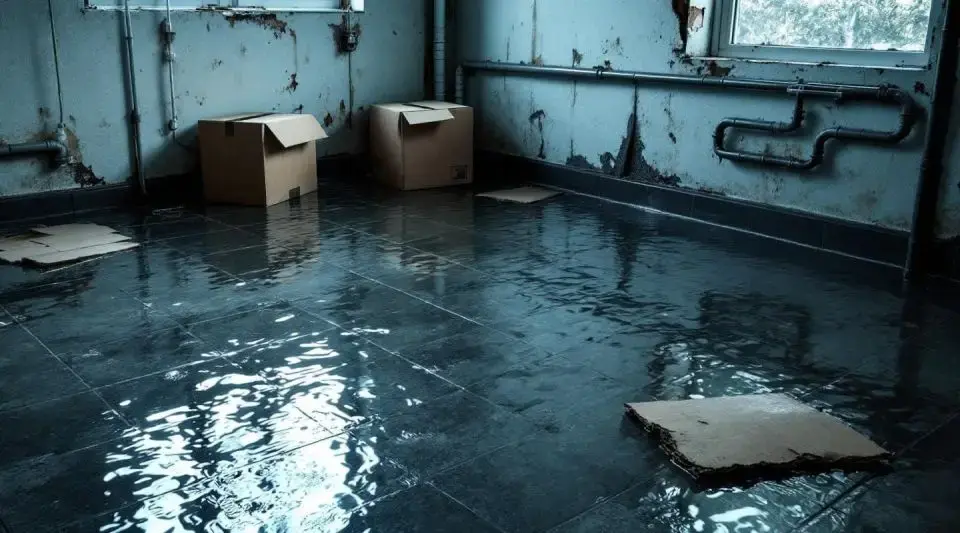
Basement Flood Cleanup
Discovering standing water in your basement is a high-stress event that demands immediate action, especially given Savannah’s low-lying coastal geography and notoriously high water table.
View Service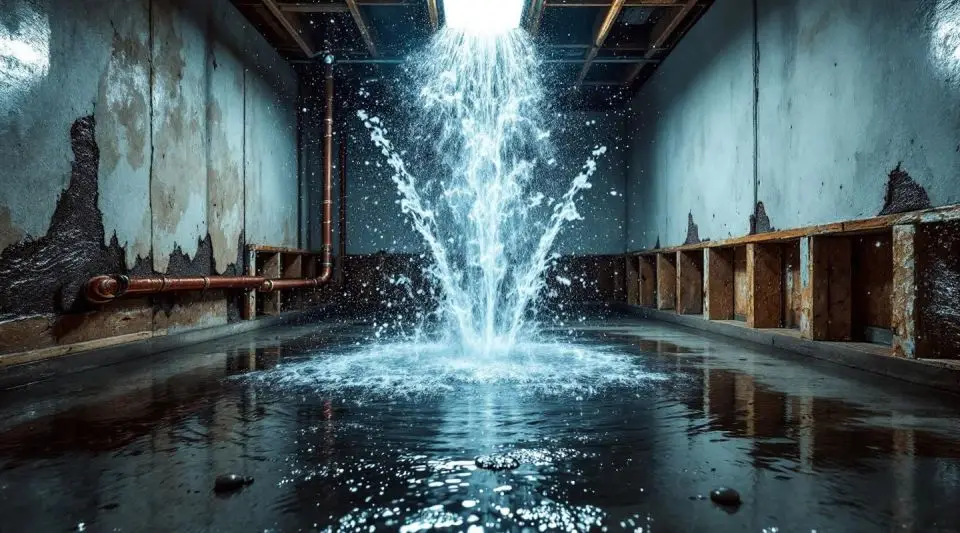
Burst Pipe Water Damage
Walking into your home to find a hallway turned into a river is a nightmare no homeowner wants to face.
View Service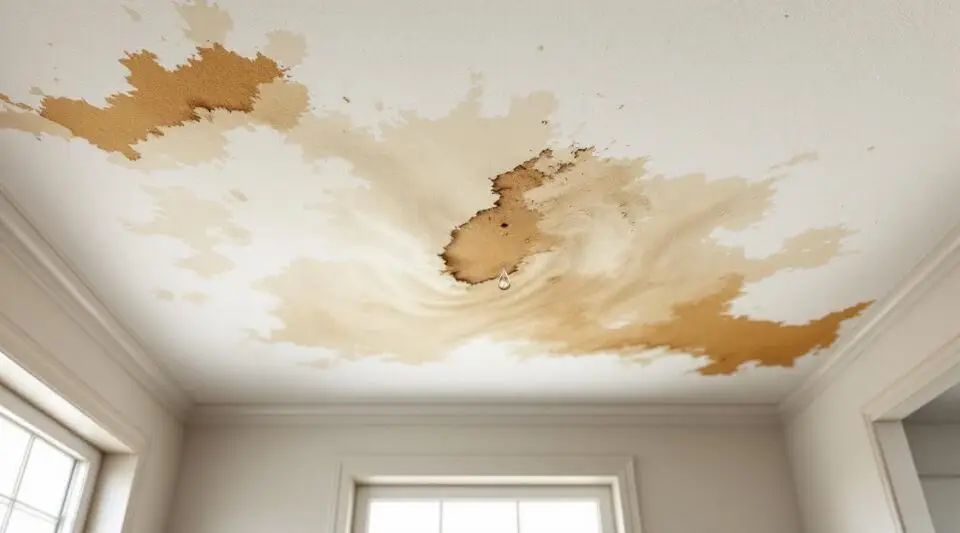
Ceiling Water Damage Repair
Finding a dark, spreading stain on your ceiling or watching drywall begin to sag after a heavy Savannah thunderstorm is more than a cosmetic nuisance.
View Service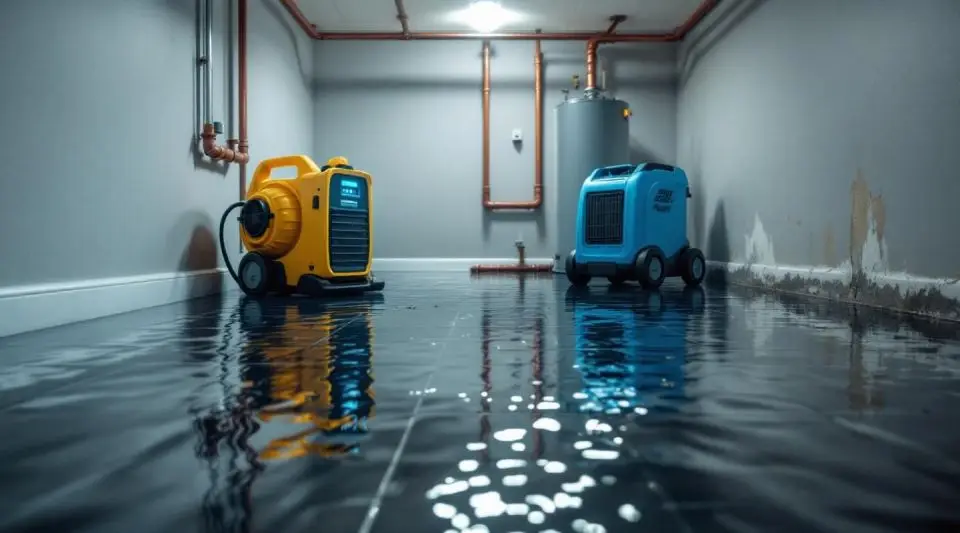
Emergency Water Damage Repair
When you walk into a kitchen flooded by a failed supply line or a sudden ceiling leak, the sense of overwhelm is immediate.
View Service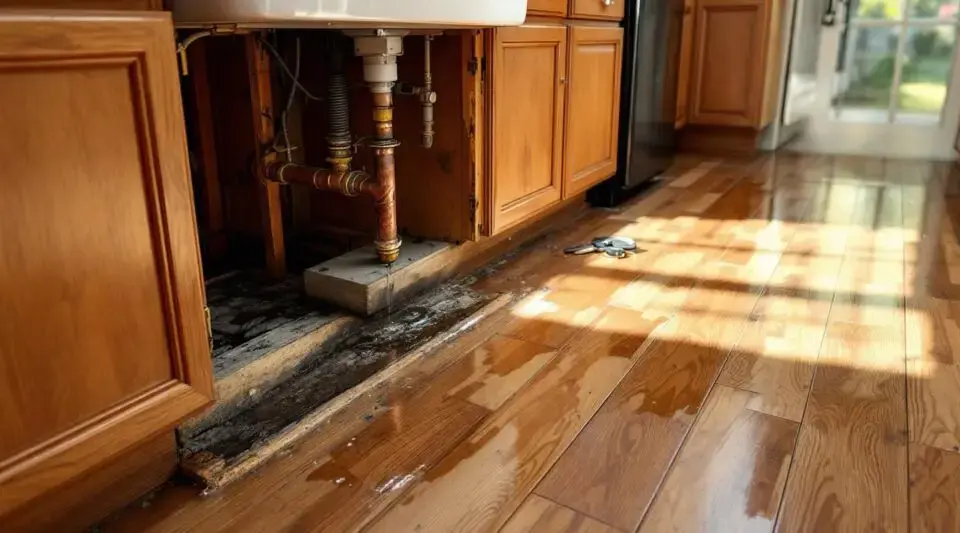
Kitchen Leak Damage Repair
A kitchen leak rarely stays confined to the cabinet where it started.
View Service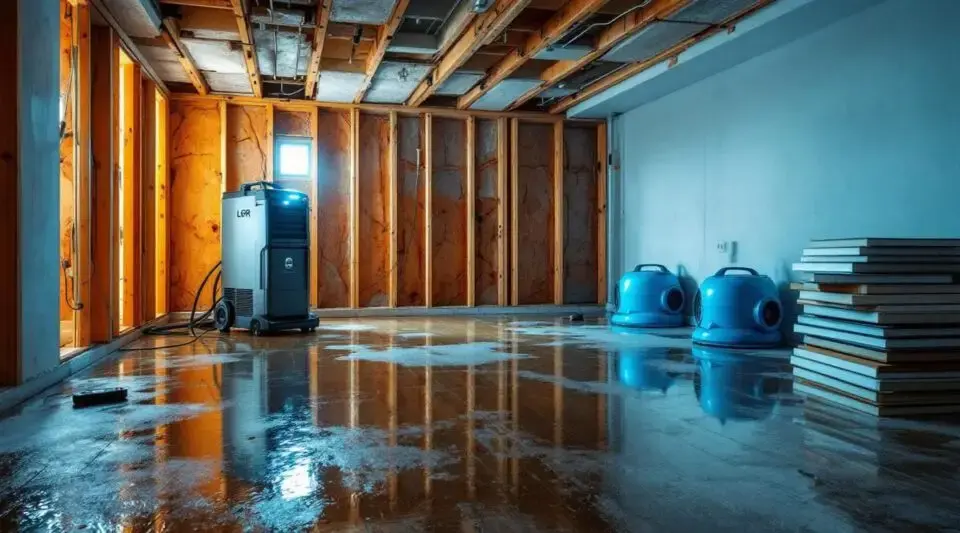
Residential Flood Restoration
Our San Diego team provides immediate, 24/7 emergency response to extract standing water and implement advanced structural drying techniques that protect your family’s home from mold and long-term structural compromise.
View Service
Sewage Backup Cleanup
Walking into a home where a sewer line has failed is a visceral experience that goes far beyond a simple plumbing leak.
View ServiceStop the Damage Before It Spreads
Standing water in a Savannah home is a ticking clock. With our local humidity often exceeding 80 percent, moisture trapped in your subfloors or behind plaster walls can trigger mold growth in as little as 24 to 48 hours. Our experienced technicians use truck-mounted extractors to pull liquid out fast, preventing the secondary damage that turns a simple leak into a total renovation.
Don't wait for the water to "air dry" on its own—it won't. We provide immediate standing water extraction to stabilize your property and protect your family's health. Call us now to get a crew on-site before the damage becomes permanent.
What They Say About Us:
The team arrived at my home near Forsyth Park and used advanced tools to locate hidden moisture after my basement flooded. They were incredibly polite and prioritized mold prevention throughout the entire restoration process.
Dina
Professional Home Water Removal Services After Heavy RainThese experts quickly dried out our walls and ceilings and guided us through every step of the repair. Their efficient approach made a stressful situation in Ardsley Park much easier to manage.
Movil
Fast Ceiling and Wall Drying for Water DamageWe were impressed by how quickly they responded to our call and assessed the damage in our kitchen and surrounding rooms. The inspection was very detailed, ensuring no moisture was left behind in our historic district residence.
Lela
Thorough Home Water Removal Services for Kitchen LeaksThe crew helped us navigate the insurance claim process for our water damage, making everything remarkably quick and simple. Their support allowed us to focus on getting our home near the Savannah River back to normal.
Ginger
Stress-Free Insurance Claims for Local Water DamageThey arrived at our property in Isle of Hope so fast that the water was gone before any serious damage could occur. We are very grateful for their prompt response and effective basement drying.
Sandra
Rapid Basement Pumping and Home Water Removal Services