Warehouse Water Extraction Savannah, GA
Rapid Large-Loss Recovery to Protect Your Inventory and Operations
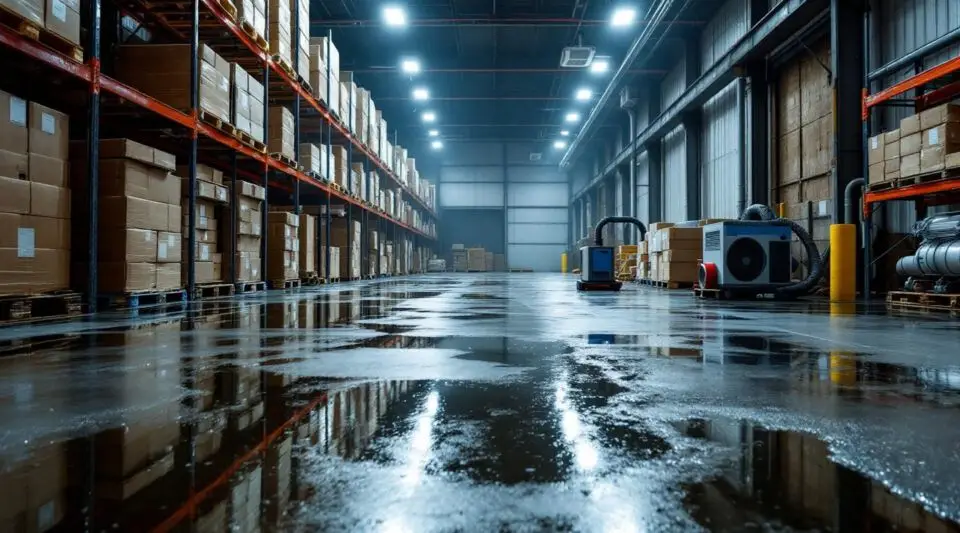
When a main fire suppression line bursts or a coastal Savannah storm pushes floodwater through your loading docks, the clock starts ticking against your bottom line. You aren't just dealing with a puddle; you are looking at thousands of square feet of standing water that threatens racking systems, sensitive inventory, and the safety of your forklift operators. In an industrial environment, "wet" quickly turns into "ruined" if the response isn't immediate and scaled for the size of the facility.
Our crew understands that every hour your facility sits idle is an hour of broken client SLAs and lost revenue. We don't show up with residential-grade shop vacs. We use high-capacity truck-mount extractors and industrial-grade moisture mapping tools to identify exactly where the water has migrated—often beneath the concrete slab or into the base of steel columns where you can't see it. This precision is vital because water trapped under a slab in Savannah's humidity can lead to long-term structural issues and mold that shuts you down later.
You need a team that speaks the language of facility management and logistics. Our team at Mason Restoration, LLC prioritizes rapid stabilization to keep your operations moving. Whether it's a 5,000-square-foot staging area or a 100,000-square-foot distribution center near the Port of Savannah, we have the large-loss capacity to handle the volume. We focus on getting the water out before it can trigger secondary issues like masonry damage or inventory loss.
We follow the IICRC S500 standard for professional water damage restoration to ensure every gallon is accounted for and every surface is properly dried. By using desiccant dehumidification and high-volume air movers, we can often save inventory that others would mark as a total loss. Our documentation process is designed for commercial adjusters, providing the psychrometric drying logs and moisture maps they require to process your claim without unnecessary delays.
Our licensed operators handle warehouse water extraction with upfront pricing, fully insured equipment, and 24/7 availability throughout Savannah, GA.
Warehouse Water Extraction Savannah, GA
Protecting Your Inventory and Operational Continuity
The immediate benefit of professional warehouse water extraction is the stabilization of your building's operational capacity before a localized leak becomes a facility-wide shutdown. In a high-throughput environment like the logistics corridors near the Port of Savannah, every hour of standing water on a concrete slab is an hour of lost revenue and compromised safety. When you bring in our team of certified technicians, you aren't just getting water pumped out; you are securing the structural integrity of your racking foundations and preventing moisture from migrating into sensitive inventory. We focus on rapid industrial water extraction to ensure your loading docks and mezzanine levels remain functional, keeping your client SLAs intact while the humidity of coastal Georgia tries to work against you.
Beyond the surface cleanup, the real value lies in the precision of large-loss drying and detailed moisture mapping. We use high-capacity truck-mount extractors to remove bulk volume quickly, but the critical work happens when we deploy desiccant dehumidification to pull deep-seated moisture out of porous concrete and drywall. This aggressive approach is vital because Savannah's ambient humidity often exceeds 80%, making standard refrigerant dehumidifiers insufficient for preventing mold in food-grade or pharmaceutical storage. By following the IICRC S500 standard, we provide the psychrometric drying logs your insurance adjuster requires, significantly reducing the friction of your claim. You get a documented trail of dry-down success that protects your property value and ensures your facility passes OSHA safety inspections for re-occupancy.
-
Rapid mobilization to Pooler and Savannah industrial parks to minimize operational downtime.
-
High-capacity commercial flood pumping that handles 50,000+ square foot facilities efficiently.
-
Deep concrete slab drying to prevent long-term structural degradation and racking instability.
-
Detailed moisture mapping and thermal imaging to find hidden pockets behind wall cavities.
-
Insurance-ready documentation including psychrometric logs for faster claim approval.
-
Specialized desiccant dehumidification tailored for the intense humidity of the Georgia coast.
Warehouse Water Extraction Savannah, GA
Why Choose Mason Restoration, LLC for Warehouse Water Extraction
Mason Restoration, LLC combines local knowledge, modern equipment, and honest communication for every warehouse water extraction call.
High-Capacity Extraction
We use heavy-duty truck-mounted units capable of moving thousands of gallons per hour, which is essential for large-loss warehouse scenarios.
Savannah-Specific Drying
Our desiccant dehumidification setups are specifically designed to fight coastal Georgia's high ambient humidity, ensuring deep drying of concrete floors.
Documented Compliance
We follow the IICRC S500 standard strictly, providing the detailed moisture mapping and drying logs your insurance carrier demands for reimbursement.
Warehouse Water Extraction Savannah, GA
Common Questions About Warehouse Water Extraction
Warehouse Water Extraction Savannah, GA
Warehouse Water Extraction Savannah
Ignoring standing water in a commercial warehouse is a recipe for a structural and financial disaster. In a high-throughput environment, every hour of downtime translates directly to lost revenue and broken client SLAs. When water enters your facility—whether from a sprinkler discharge or a roof failure during a Savannah storm—it doesn't just sit on the surface. It migrates. Moisture quickly finds its way under heavy racking foundations and into the pores of your concrete slab. If you don't act fast, you risk permanent damage to your flooring and the structural integrity of your storage systems, turning a manageable cleanup into a massive capital expense.
Savannah’s subtropical climate adds a layer of complexity that most general contractors aren't prepared to handle. With ambient humidity often hovering above 80%, a flooded warehouse becomes a breeding ground for mold in less than 48 hours. We utilize desiccant dehumidification to aggressively pull moisture from the air, preventing secondary damage to sensitive inventory or pharmaceutical-grade environments. Without professional moisture mapping and thermal imaging, you might think the floor is dry while water continues to rot your wall cavities and corrode steel column bases. Our experienced technicians ensure every drop is accounted for before it can trigger a long-term liability.
Safety and insurance compliance are the final, critical pieces of the puzzle. A wet warehouse floor is a significant slip-and-fall hazard for your forklift operators and logistics staff, potentially leading to costly workers' comp claims and OSHA inspections. Furthermore, most commercial insurance carriers require detailed psychrometric drying logs and documentation following the IICRC S500 standard to approve a large-loss claim. By choosing professional industrial water extraction, you aren't just cleaning up a mess; you are protecting your facility’s re-occupancy clearance and ensuring your documentation stands up to the scrutiny of an adjuster.
Our Services
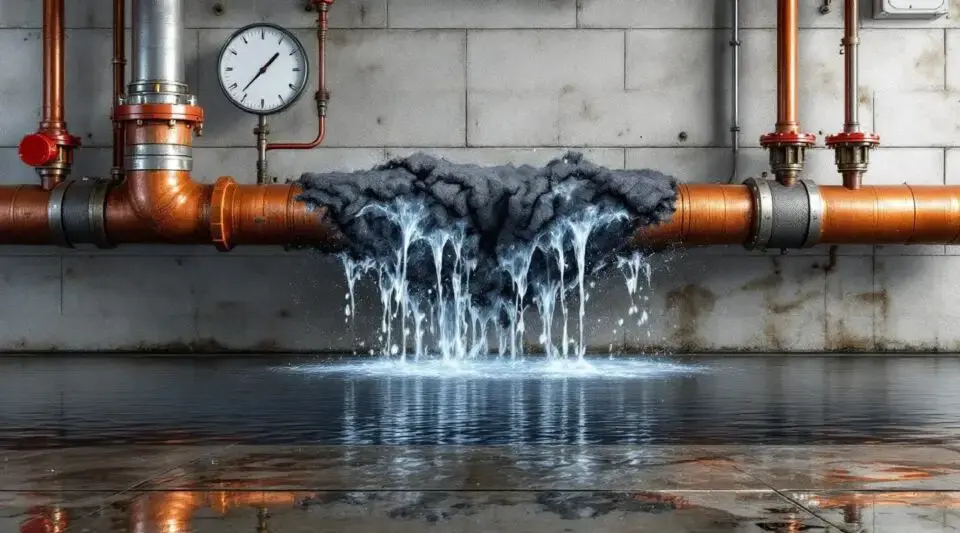
Commercial Pipe Burst Repair
A pressurized pipe failure in a commercial setting is never just a simple leak; it is a high-stakes race against the clock to prevent a building envelope breach from compromising your entire operation.
View Service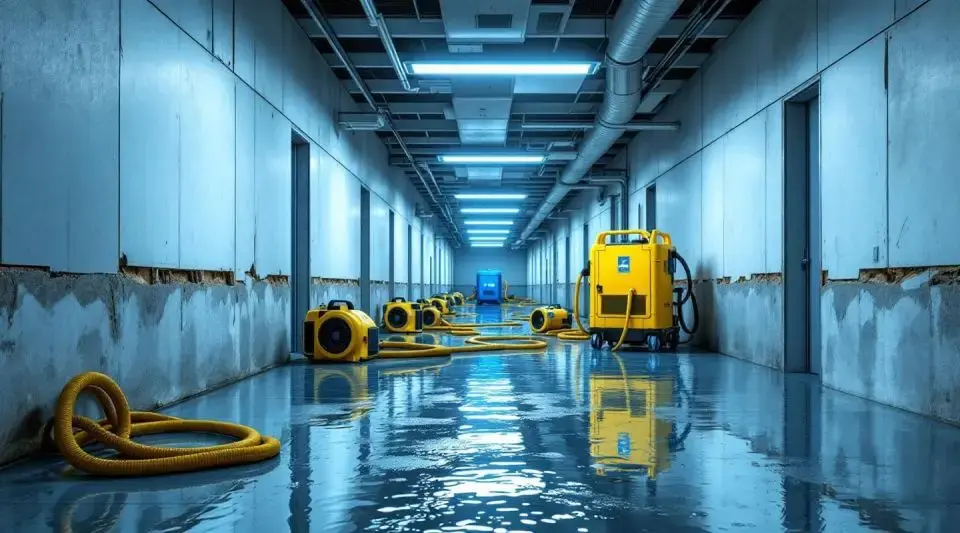
Commercial Water Damage Restoration
Our specialized team provides immediate 24/7 emergency response for San Diego commercial properties, utilizing advanced moisture detection and high-capacity extraction tools to eliminate standing water and prevent costly business interruptions.
View Service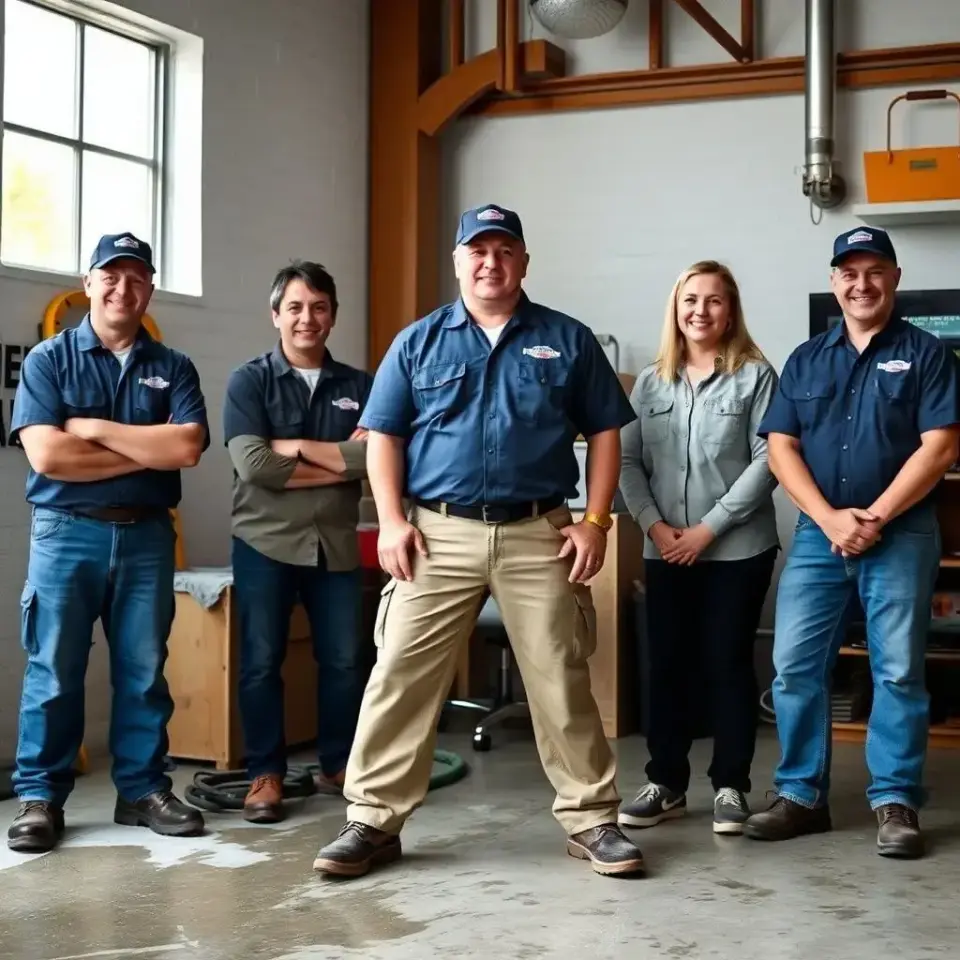
Hotel Water Damage Restoration
When a vertical riser pipe bursts or a heavy Savannah thunderstorm overwhelms a roof, your property doesn't just face a maintenance issue; it faces a direct threat to its brand reputation.
View Service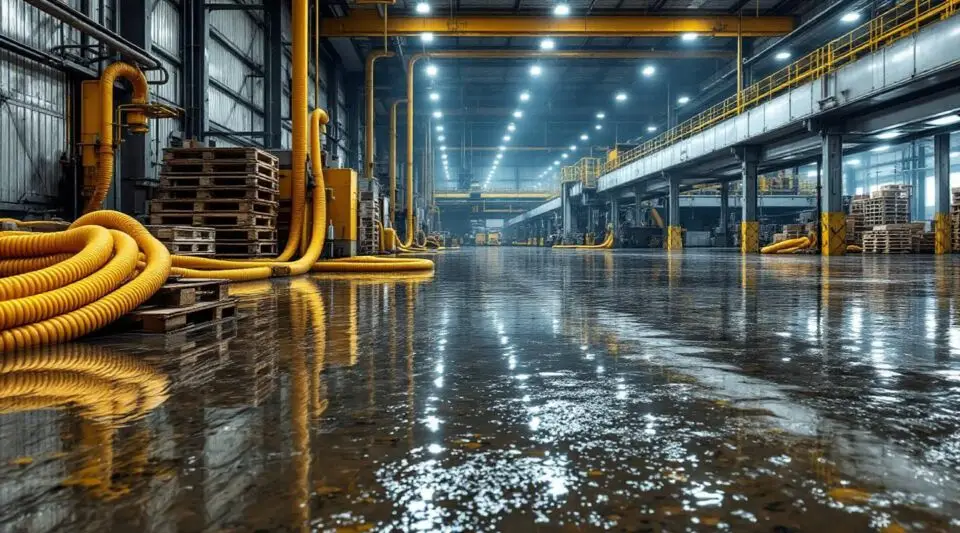
Industrial Flood Cleanup
Savannah’s industrial landscape, stretching from the logistics hubs near the Port to the manufacturing corridors of Chatham County, faces a unique set of water-related risks.
View Service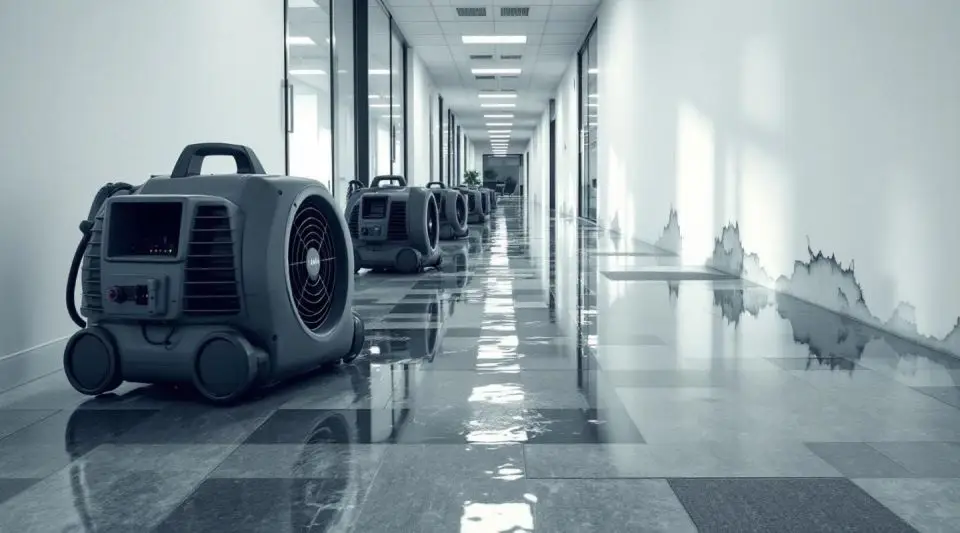
Office Building Flood Repair
When a building envelope breach or a pressurized pipe burst occurs in a Savannah office complex, the clock starts ticking against your bottom line.
View Service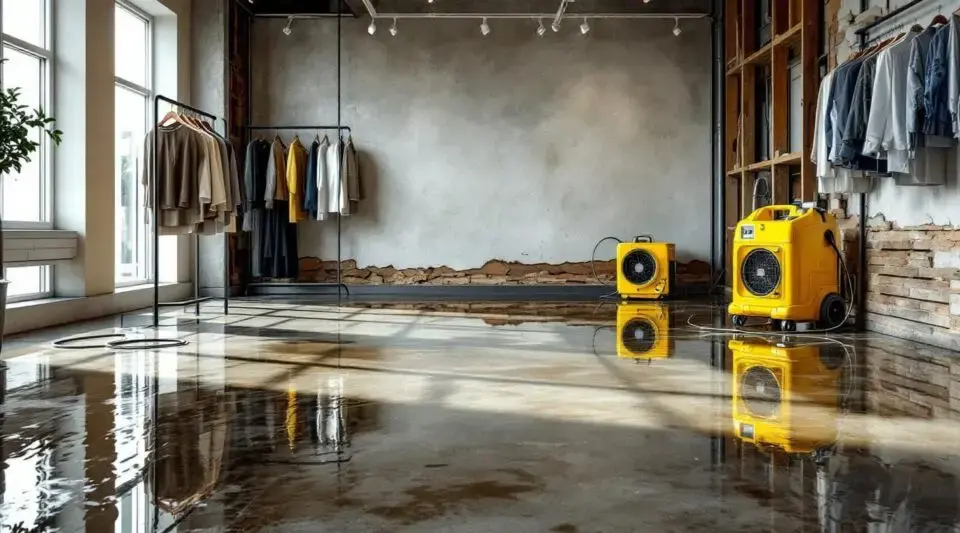
Retail Store Flood Recovery
When a water main snaps or a coastal storm surges into your storefront, the clock starts ticking against your inventory and your bottom line.
View Service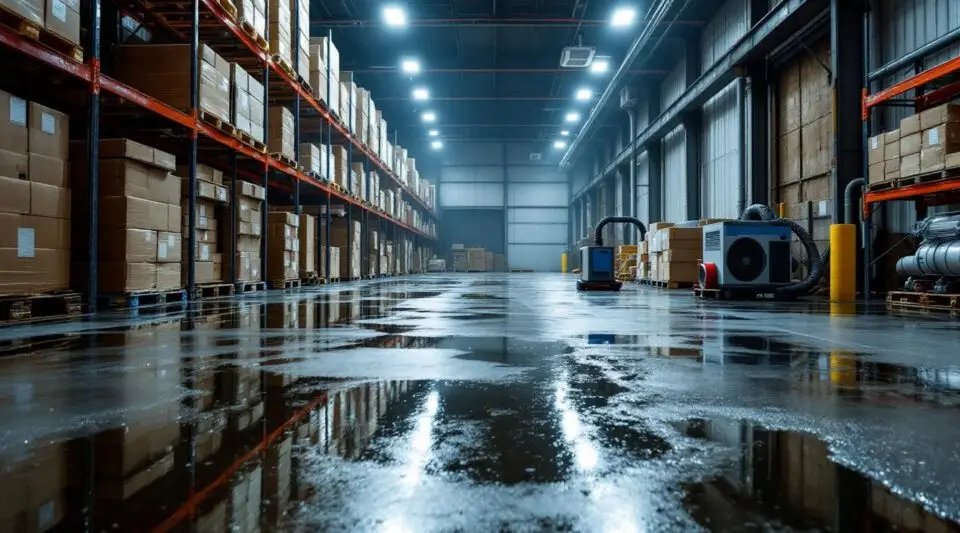
Warehouse Water Damage Cleanup
Our specialized team delivers rapid water extraction and industrial-grade structural drying to protect your inventory and restore your San Diego commercial facility to full operation after a flood.
View ServiceImmediate Warehouse Water Extraction in Savannah
You cannot afford to let moisture sit on a concrete slab while your logistics chain grinds to a halt and your liability grows. Every hour of standing water translates to delayed shipments and potential structural issues for your racking systems. Our experienced technicians arrive with the high-capacity truck-mount extractors and desiccant dehumidifiers required to handle large-loss scenarios across Savannah’s industrial corridors.
We focus on rapid industrial water extraction so your team can return to the floor safely and your insurance documentation remains airtight. Whether you are dealing with a sprinkler discharge or a coastal storm surge, we provide the moisture mapping and inventory protection needed to minimize your downtime. Call us now to mobilize a crew to your facility.
What They Say About Us:
The team handled our fridge leak and subfloor drying near Balboa Park with incredible professionalism. They even helped us match our new flooring perfectly and kept us updated throughout the entire process.
Angela
Warehouse Water Extraction for Hardwood Floor RestorationWhen a water line broke in our Little Italy office, this crew arrived the same day to handle the cleanup. Their efficient work minimized our downtime and saved our workplace carpets from permanent damage.
Yuliyan
Professional Warehouse Water Extraction and Commercial CleanupThey performed a thorough inspection of our HVAC closet in North Park and quickly eliminated the mold issue. The system is now running perfectly and that unpleasant odor is completely gone from our home.
Marilyn
Expert Mold Remediation and HVAC Repair ServicesThe mold removal service in our Point Loma crawl space made a massive difference in our home's overall air quality. They effectively sealed the area and resolved all the dampness issues that were causing the problem.
Karla
Improving Air Quality with Warehouse Water ExtractionThis team worked seamlessly with our property manager in La Jolla to handle a major plumbing leak in our apartment. They managed the water extraction and drying process quickly without disrupting our daily routine too much.
Blanche
Rapid Water Removal and Drying for Local Flats