Emergency Water Damage Repair Savannah, GA
Professional Water Extraction and Structural Drying for Your Home
When you walk into a kitchen flooded by a failed supply line or a sudden ceiling leak, the sense of overwhelm is immediate. In Savannah’s high-humidity climate, that standing water isn't just a mess—it’s a ticking clock. Within hours, moisture begins to seep into your subfloor and wick up into the drywall, creating the perfect environment for mold. Our team at Mason Restoration, LLC understands that every minute counts, which is why we prioritize rapid arrival to stop the migration of water before it compromises your home's structural integrity.
We don't just suck up the visible water and leave. True restoration requires a scientific approach called structural drying. Our experienced technicians use advanced moisture mapping and thermal imaging to find the pockets of water hidden behind baseboards and under cabinets that a standard shop vac simply cannot reach. By identifying the exact moisture content readings in your building materials, we can create a targeted drying plan that prevents long-term rot and ensures your indoor air quality remains safe for your family.
Dealing with water damage is often a multi-category challenge. Whether you are facing "clean" water from a supply line or the dangerous contaminants of Category 3 water from a sewage backup, the cleaning protocols must be precise. We follow the IICRC S500 standards to ensure every surface receives the necessary antimicrobial treatment and every structural element is dried to its dry standard. You shouldn't have to guess if your home is truly dry; we provide the drying logs and psychrometric readings to prove it, giving you the documentation you need for your insurance adjuster.
Living in the Lowcountry means we are no strangers to water, but it belongs in the Savannah River, not your crawl space. When a storm surge or a simple appliance leak threatens your property, you need a local partner who knows how our coastal environment affects drying times. We don't just set up a few fans and hope for the best. Strategic air mover placement combined with high-capacity dehumidifiers specifically sized for our local climate allows us to pull gallons of water out of the air, ensuring that your service areas are protected from the secondary damage that often follows a flood.
Our licensed operators handle emergency water damage repair with upfront pricing, fully insured equipment, and 24/7 availability throughout Savannah, GA.
Emergency Water Damage Repair Savannah, GA
The Critical Impact of Professional Extraction and Drying
When water infiltrates your home, the clock starts ticking against your property's structural integrity. In Savannah’s heavy humidity, a simple pipe burst or a storm-driven leak doesn't just stay on the surface; it migrates into your subflooring and behind baseboards within minutes. You might see a puddle, but we see a threat to your floor joists and wall studs. Professional intervention isn't just about sucking up standing water; it’s about controlled structural drying that accounts for the unique psychrometric readings of our coastal environment. Without this, you risk permanent warping of materials that are often impossible to replace in historic local homes.
Our approach focuses on precision through moisture mapping and thermal imaging to find what your eyes cannot. You shouldn't have to guess if the space behind your drywall is dry. By using high-capacity dehumidification and strategic air mover placement, we pull moisture out of dense materials before mold has a chance to take hold. Our experienced technicians follow strict drying logs to ensure your home reaches its dry standard, preventing the secondary damage that often follows a DIY cleanup attempt. We don't just clear the water; we stabilize the environment so your family can return to a safe, dry house.
-
Rapid water extraction using high-volume pumps to stop subfloor saturation before it ruins your foundation.
-
Precision thermal imaging to detect hidden leaks behind plaster and drywall without unnecessary demolition.
-
Industrial-grade dehumidification to combat Savannah’s ambient humidity and prevent secondary mold growth.
-
Detailed drying logs and moisture content readings to provide the documentation your insurance adjuster requires.
-
Application of antimicrobial treatment to sanitize surfaces, especially in cases involving category 3 water.
Emergency Water Damage Repair Savannah, GA
Why Choose Mason Restoration, LLC for Emergency Water Damage Repair
Mason Restoration, LLC combines local knowledge, modern equipment, and honest communication for every emergency water damage repair call.
IICRC Certified Expertise
Our team follows the ANSI/IICRC S500 standards, ensuring every step of your mitigation—from initial water extraction to final antimicrobial treatment—is handled with technical precision.
Advanced Thermal Imaging
We use infrared cameras to see the moisture you can't, identifying subfloor saturation and wall cavity dampness that traditional visual inspections always miss.
Direct Insurance Coordination
We work directly with your adjuster to document the loss, providing the drying logs and moisture content readings they need to process your claim without the typical back-and-forth stress.
Local Savannah Knowledge
We understand how our coastal climate affects evaporation rates, using high-capacity dehumidification and strategic air mover placement to fight Georgia’s ambient humidity.
Emergency Water Damage Repair Savannah, GA
Common Questions About Emergency Water Damage Repair in Savannah
Emergency Water Damage Repair Savannah, GA
Emergency Water Damage Repair Savannah
In Savannah, the clock starts ticking the second water hits your floors. Because of our intense coastal humidity, the window to prevent permanent mold growth is incredibly narrow—often less than 48 hours. When you call for our crew, we don't just look at the surface. We use moisture mapping and thermal imaging to find exactly where the water is hiding inside your wall cavities. If you wait, that clean water from a burst pipe quickly degrades into a breeding ground for bacteria, turning a simple extraction job into a full-scale structural tear-out.
You might think a shop vac and a few household fans are enough to dry out a room, but they rarely reach the subfloor saturation that threatens your home's skeleton. Professional structural drying is about more than just moving air; it’s about controlling the environment through science. We strategically manage air mover placement to pull moisture out of dense materials like hardwood and framing studs. Without this, moisture gets trapped behind your vapor barrier, leading to wood rot and warped flooring that you won't notice until the damage is irreversible. You deserve a home that is actually dry, not just dry to the touch.
Dealing with category 3 water, such as a sewage backup or storm surge, introduces significant health risks to your family. These scenarios require aggressive antimicrobial treatment and strict adherence to IICRC standards to ensure the space is safe to inhabit again. We take precise moisture content readings throughout the process to verify that every layer of your flooring and drywall has returned to its dry standard. This data isn't just for our records; it forms the basis of the drying logs and psychrometric readings your insurance adjuster will require to justify and approve your claim.
Our technicians monitor the drying progress daily, adjusting the dehumidification load as the house stabilizes. This scientific approach ensures we aren't just guessing about the safety of your property. By documenting the entire lifecycle of the repair, we provide the transparency you need during a high-stress event, ensuring your home is restored to a pre-loss condition without the lingering smell of dampness or the threat of hidden decay.
Our Services
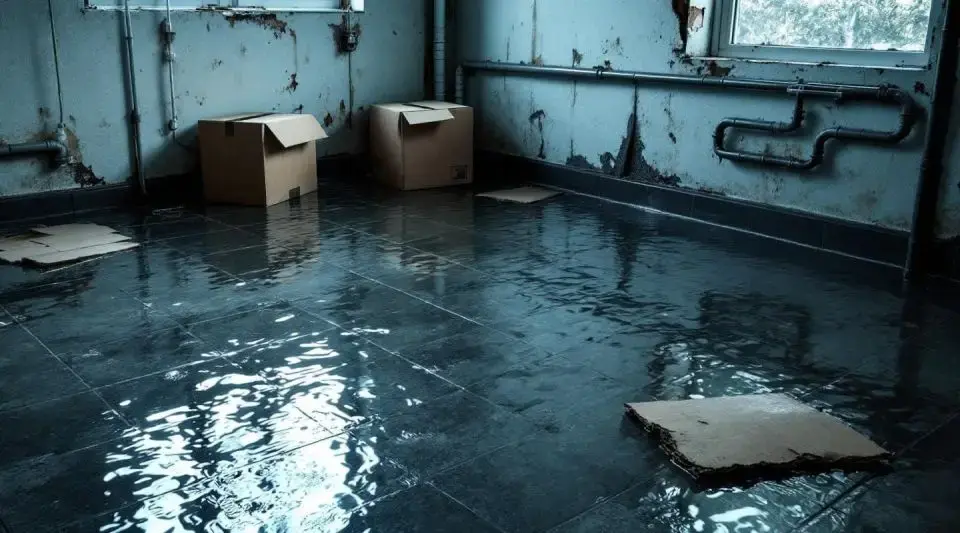
Basement Flood Cleanup
Discovering standing water in your basement is a high-stress event that demands immediate action, especially given Savannah’s low-lying coastal geography and notoriously high water table.
View Service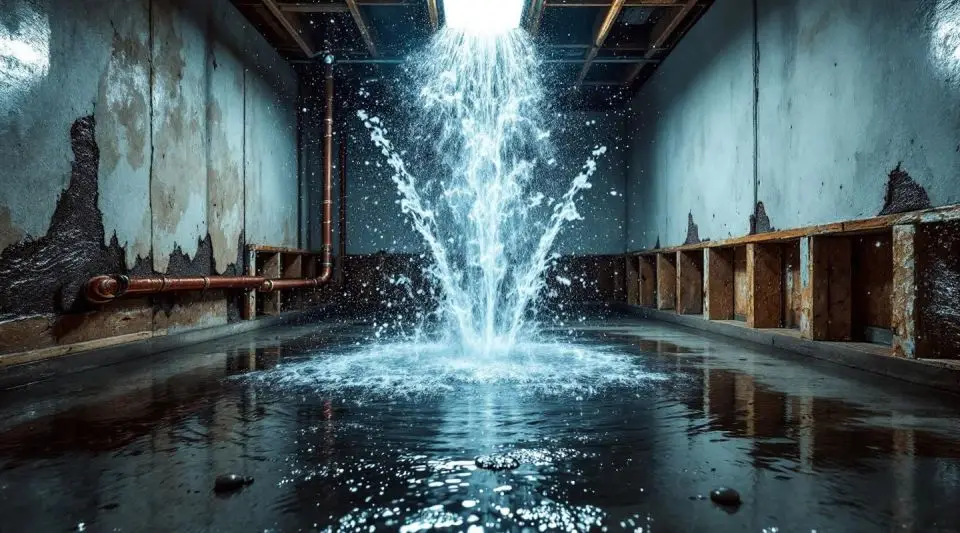
Burst Pipe Water Damage
Walking into your home to find a hallway turned into a river is a nightmare no homeowner wants to face.
View Service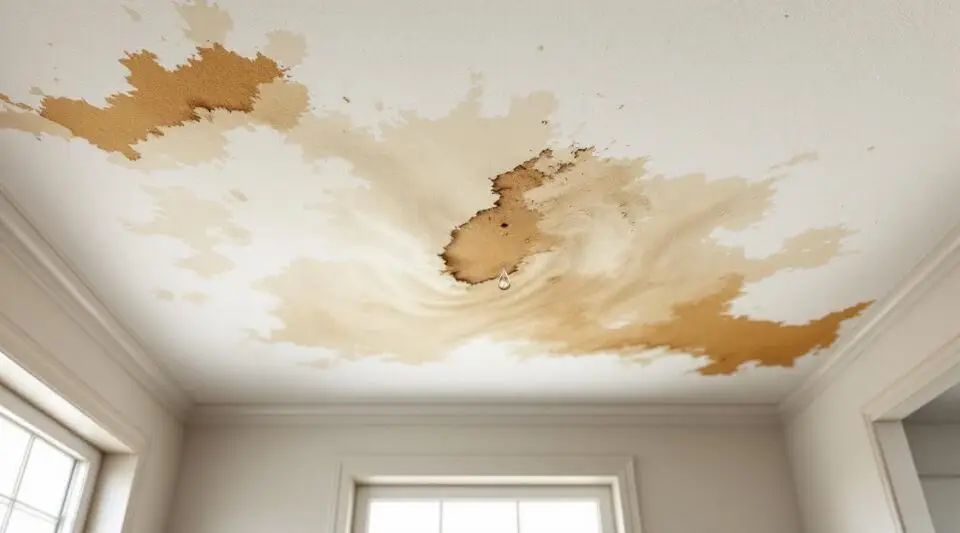
Ceiling Water Damage Repair
Finding a dark, spreading stain on your ceiling or watching drywall begin to sag after a heavy Savannah thunderstorm is more than a cosmetic nuisance.
View Service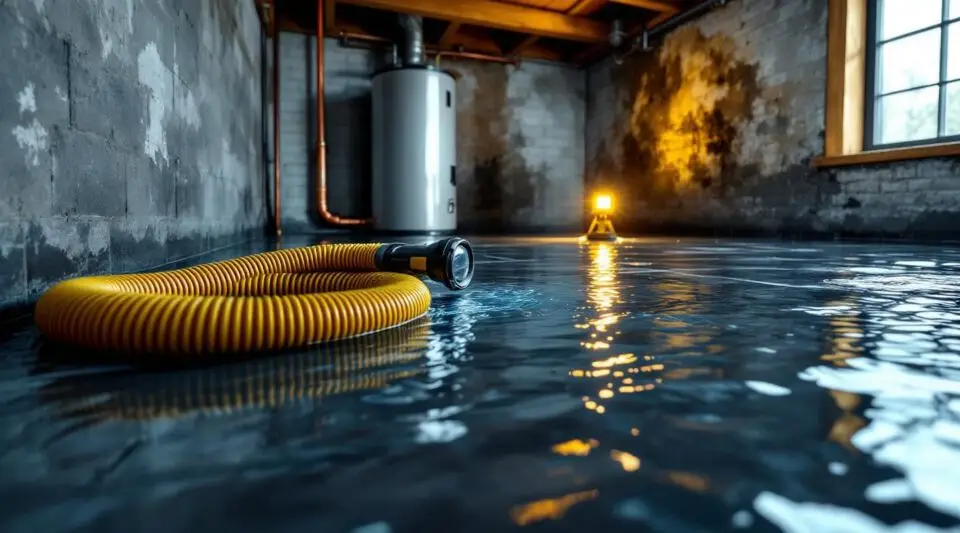
Home Water Removal Services
When water enters your Savannah home, the clock starts ticking against your property’s structural integrity.
View Service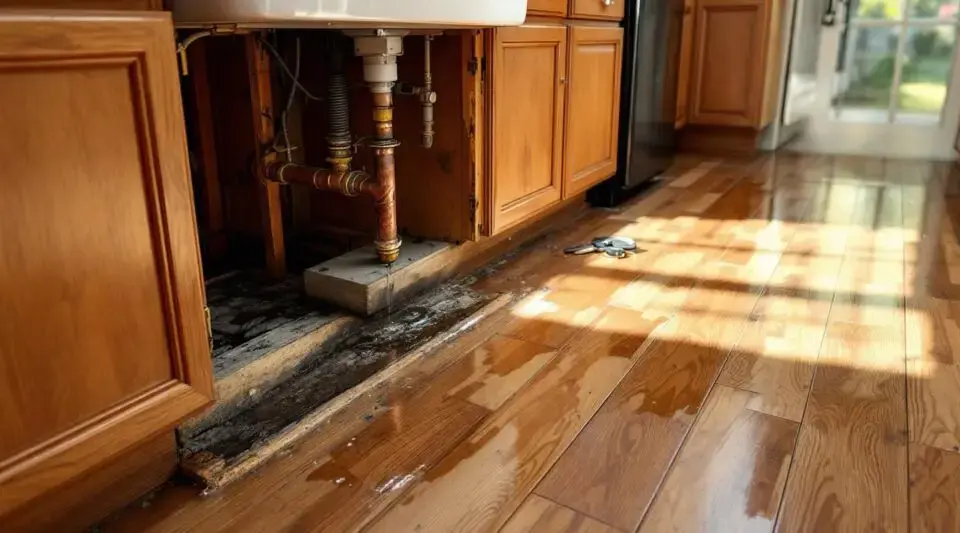
Kitchen Leak Damage Repair
A kitchen leak rarely stays confined to the cabinet where it started.
View Service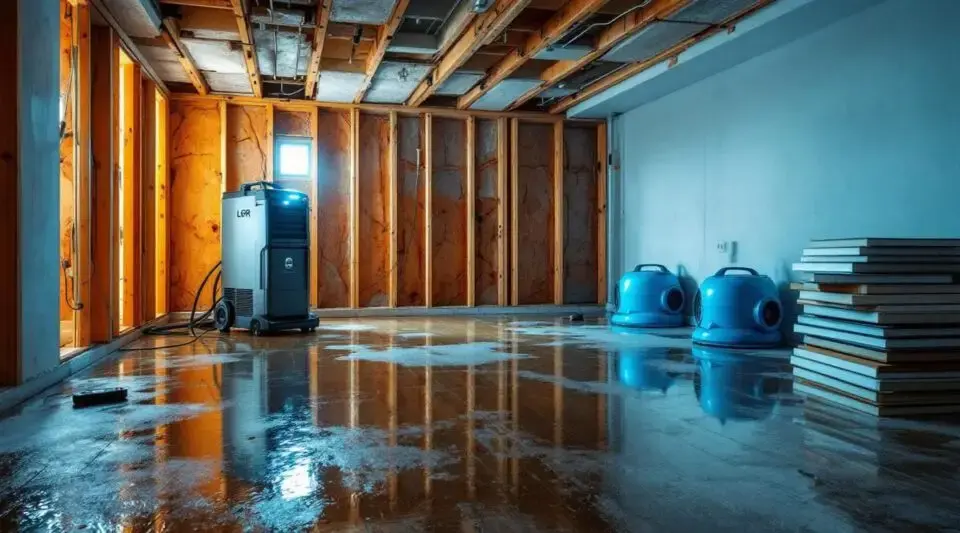
Residential Flood Restoration
Our San Diego team provides immediate, 24/7 emergency response to extract standing water and implement advanced structural drying techniques that protect your family’s home from mold and long-term structural compromise.
View Service
Sewage Backup Cleanup
Walking into a home where a sewer line has failed is a visceral experience that goes far beyond a simple plumbing leak.
View ServiceStop the Damage Before Mold Starts
Every hour water sits in your subfloor or behind your drywall, the risk of permanent structural rot and mold growth increases. Our experienced technicians use thermal imaging and moisture mapping to find hidden pockets of saturation that a simple shop vac will never reach. We handle everything from the initial water extraction to the final antimicrobial treatment, ensuring your Savannah home is truly dry.
Don't wait for the coastal humidity to turn a burst pipe into a total loss. We provide direct insurance billing and detailed drying logs to make the recovery process as smooth as possible for your family.
What They Say About Us:
The team arrived at our home so quickly that the water in our basement was gone before any real damage occurred. We were incredibly impressed by how fast they responded to our urgent call for help.
Sandra
Fast Response for Emergency Water Damage Repair in Ardsley ParkTheir crew dried out our walls and ceilings near Forsyth Park and explained the restoration process step by step. We appreciated their efficiency and the clear guidance they provided throughout the entire cleanup.
Movil
Professional Wall and Ceiling Drying After Local Flood DamageWe were very pleased with how quickly they returned our call and inspected the water damage in our kitchen. They took the time to check all the surrounding rooms in our Historic District home to ensure nothing was missed.
Lela
Thorough Inspection and Emergency Water Damage Repair ServicesAfter a major storm flooded my basement, these professionals used specialized tools to find hidden wet spots and prevent mold growth. The technicians were polite and worked with an orderly approach that made the whole restoration feel very professional.
Dina
Orderly Emergency Water Damage Repair Following Heavy Savannah RainThey helped us navigate the insurance claim process for our water damage, which made the entire experience quick and easy. Their assistance took the stress out of a difficult situation at our property in Isle of Hope.
Ginger
Stress-Free Insurance Claims for Emergency Water Damage Repair