Ceiling Water Damage Repair Savannah, GA
Professional Restoration for Sagging Drywall and Hidden Leaks
Finding a dark, spreading stain on your ceiling or watching drywall begin to sag after a heavy Savannah thunderstorm is more than a cosmetic nuisance. It is a signal that water has breached your home’s envelope, likely from a roof leak intrusion or a failing HVAC line in the attic. At Mason Restoration, LLC, we see these issues daily across the Landmark District and newer suburbs alike. You shouldn't ignore that discoloration; it often hides saturated insulation and pooling water that adds thousands of pounds of weight to your overhead structure.
The most immediate concern for any homeowner is the ceiling collapse risk. When drywall absorbs moisture, it loses its structural bond with the joists, leading to dangerous "bubbling" or bowing. Our team uses moisture mapping and thermal imaging inspection to see exactly where the water is traveling before we ever make a cut. This precision ensures we aren't just patching a hole, but actually addressing the secondary water damage that could lead to rot in your subfloor moisture above or structural timber.
Because Savannah’s high humidity can trigger mold growth within 48 hours, we prioritize rapid dehumidification and structural drying. If your home features historic plaster ceiling repair needs, you need a specialist who understands the weight and composition of lath-and-plaster systems compared to modern drywall replacement. We are IICRC certified, meaning we follow strict scientific standards to ensure your home is actually dry, not just dry to the touch.
Dealing with insurance can be just as stressful as the leak itself. Our experienced technicians document every reading and take detailed photos to help you navigate the claims process with clarity. We focus on getting your life back to normal by performing thorough water stain removal and ensuring no mold is left behind the ceiling to cause health issues for your family later.
Our licensed operators handle ceiling water damage repair with upfront pricing, fully insured equipment, and 24/7 availability throughout Savannah, GA.
Ceiling Water Damage Repair Savannah, GA
The Value of Structural Drying Over Cosmetic Patches
Restoring a water-damaged ceiling correctly does more than just fix an eyesore; it protects the structural integrity of your home and prevents the silent growth of mold in the dark cavities above your living space. In Savannah, where high humidity is a constant factor, a simple coat of paint over a brown stain is never enough. If you ignore the moisture trapped in the insulation or the subfloor above, you are essentially inviting a ceiling collapse risk that could happen without warning. Our team uses moisture mapping to ensure every drop of water is accounted for before we even think about hanging new drywall.
When you choose professional Ceiling Water Damage Repair, you aren't just paying for a patch; you are investing in a scientific drying process. We follow the IICRC S500 standard for professional water damage restoration to ensure that secondary water damage doesn't rot your joists or ruin your flooring. By using thermal imaging inspection tools, we can see exactly where the roof leak intrusion has traveled, often finding pockets of water that a standard visual check would miss. If you are curious about the people behind the work, you can learn more about our experienced technicians and our commitment to doing the job right the first time. This thoroughness is what keeps your family safe from the respiratory issues associated with hidden mold behind the ceiling.
-
Structural Security: Eliminates the risk of sagging drywall or a sudden ceiling collapse by reinforcing framing and replacing compromised materials.
-
Mold Prevention: High-capacity dehumidification and antimicrobial treatments stop mold behind the ceiling from spreading through your home.
-
Accurate Mapping: We use thermal imaging to find hidden moisture from roof leaks or pipe bursts that visual inspections often miss.
-
Insurance Support: We provide the detailed moisture readings and photo documentation your adjuster needs to process your claim without delays.
-
Historic Expertise: Specialized techniques for plaster ceiling repair in Savannah's historic homes, preserving architecture while ensuring it is dry.
Ceiling Water Damage Repair Savannah, GA
Why Choose Mason Restoration, LLC for Ceiling Water Damage Repair
Mason Restoration, LLC combines local knowledge, modern equipment, and honest communication for every ceiling water damage repair call.
IICRC Certified Expertise
We follow the S500 standard for professional water damage restoration, ensuring every ceiling is dried to scientific standards.
Advanced Moisture Mapping
Using non-invasive tools, we locate mold behind ceilings and hidden pockets of water without tearing your home apart unnecessarily.
Savannah-Specific Experience
From historic plaster ceiling restoration in the Landmark District to modern drywall replacement, we know how local homes are built.
Insurance Documentation
We provide the detailed moisture readings and photo evidence your adjuster needs to process your claim quickly and fairly.
Ceiling Water Damage Repair Savannah, GA
Common Questions About Ceiling Water Damage Repair
Ceiling Water Damage Repair Savannah, GA
Ceiling Water Damage Repair Savannah
Ignoring a water-damaged ceiling is a gamble that rarely pays off for homeowners in Savannah. Drywall is essentially a paper-backed gypsum sandwich; once it absorbs moisture from a roof leak intrusion or a bathroom overflow, it loses its structural bond and begins to bow under its own weight. This isn't just a cosmetic issue involving unsightly brown water stains. A heavy, saturated ceiling poses a genuine ceiling collapse risk that can happen without warning, potentially damaging your furniture or injuring someone in the room below. Because of our local humidity, materials that stay wet for more than 24 hours become a breeding ground for microbial growth.
When you see a small stain, the damage you can’t see is often much worse. Water follows the path of least resistance, often pooling on top of drywall panels or soaking into attic insulation before it ever drips through. Our experienced technicians use thermal imaging inspection and moisture mapping to find these hidden pockets of saturation. Without professional dehumidification and structural drying, moisture remains trapped in the ceiling cavity. This leads to mold behind the ceiling, which can compromise your indoor air quality long before you smell that tell-tale musty odor. In Savannah’s historic districts, this is even more critical for plaster ceiling repair, where traditional lath and plaster can hide significant subfloor moisture for weeks.
Taking action quickly isn't just about safety; it's about cost control. If we catch the intrusion early, we might be able to save the material through targeted drying. However, if the drywall is already sagging or the paper backing has delaminated, a full drywall replacement is often the only way to ensure the home is structurally sound and mold-free. By following IICRC certified protocols, we prevent secondary water damage from spreading to your walls and flooring. Addressing the root cause—whether it’s a burst pipe or a failing roof—ensures that your water stain removal isn't just a temporary patch but a permanent fix that protects your property value.
Our Services
Basement Flood Cleanup
Discovering standing water in your basement is a high-stress event that demands immediate action, especially given Savannah’s low-lying coastal geography and notoriously high water table.
View Service
Burst Pipe Water Damage
Walking into your home to find a hallway turned into a river is a nightmare no homeowner wants to face.
View Service
Emergency Water Damage Repair
When you walk into a kitchen flooded by a failed supply line or a sudden ceiling leak, the sense of overwhelm is immediate.
View Service
Home Water Removal Services
When water enters your Savannah home, the clock starts ticking against your property’s structural integrity.
View Service
Kitchen Leak Damage Repair
A kitchen leak rarely stays confined to the cabinet where it started.
View Service
Residential Flood Restoration
Our San Diego team provides immediate, 24/7 emergency response to extract standing water and implement advanced structural drying techniques that protect your family’s home from mold and long-term structural compromise.
View Service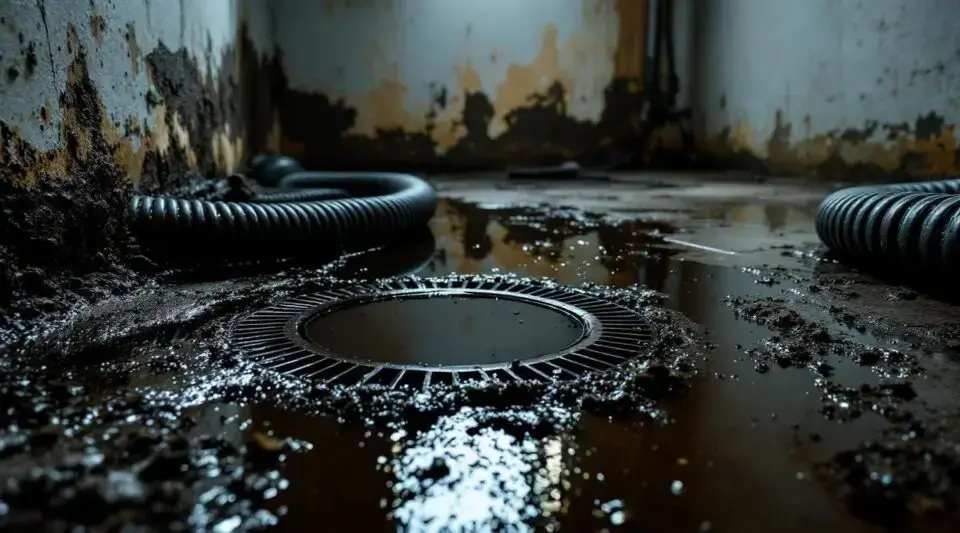
Sewage Backup Cleanup
Walking into a home where a sewer line has failed is a visceral experience that goes far beyond a simple plumbing leak.
View ServiceStop the Sag Before Your Ceiling Fails
Don't wait for a small brown stain to become a major structural failure. Our Savannah-based crew uses thermal imaging to find exactly where that roof leak intrusion is hiding before we even touch your drywall. You deserve to know your home is dry and safe from hidden mold, especially with the high humidity we face here in coastal Georgia.
If you are worried about sagging drywall or a potential ceiling collapse risk, reach out to our team today. We handle the detailed moisture mapping and documentation for your insurance claim, ensuring every square inch of your home meets IICRC standards for professional structural drying.
What They Say About Us:
The team did an incredible job sealing off our crawl space to improve the air quality in our North Park home. They addressed the dampness issues quickly and left the area completely dry and safe.
Karla
Professional Mold Remediation and Ceiling Water Damage RepairAfter a fridge leak saturated our floors in La Jolla, these professionals dried the subfloor and perfectly matched the new boards. Their communication was excellent throughout the entire restoration process, making a stressful situation much easier to handle.
Angela
Expert Hardwood Restoration and Ceiling Water Damage RepairThey coordinated perfectly with our property manager near Balboa Park to handle a major leak that affected two rooms in our flat. The water removal and repairs were finished efficiently without disrupting our daily routine.
Blanche
Fast Response for Plumbing Leaks and Ceiling Water Damage RepairWe are so relieved that the mold in our Hillcrest home's HVAC closet was handled with such a thorough inspection and repair. The system is working perfectly now and that unpleasant odor is finally gone for good.
Marilyn
Thorough HVAC Mold Cleanup and Ceiling Water Damage RepairWhen a water line broke in our Mission Valley office over the weekend, the crew arrived Monday morning to save our carpets. Their quick response to the commercial damage kept our business downtime to an absolute minimum.
Yuliyan
Rapid Commercial Cleanup and Ceiling Water Damage Repair