Commercial Pipe Burst Repair Savannah, GA
Minimizing Business Interruption with Professional Structural Drying and Recovery
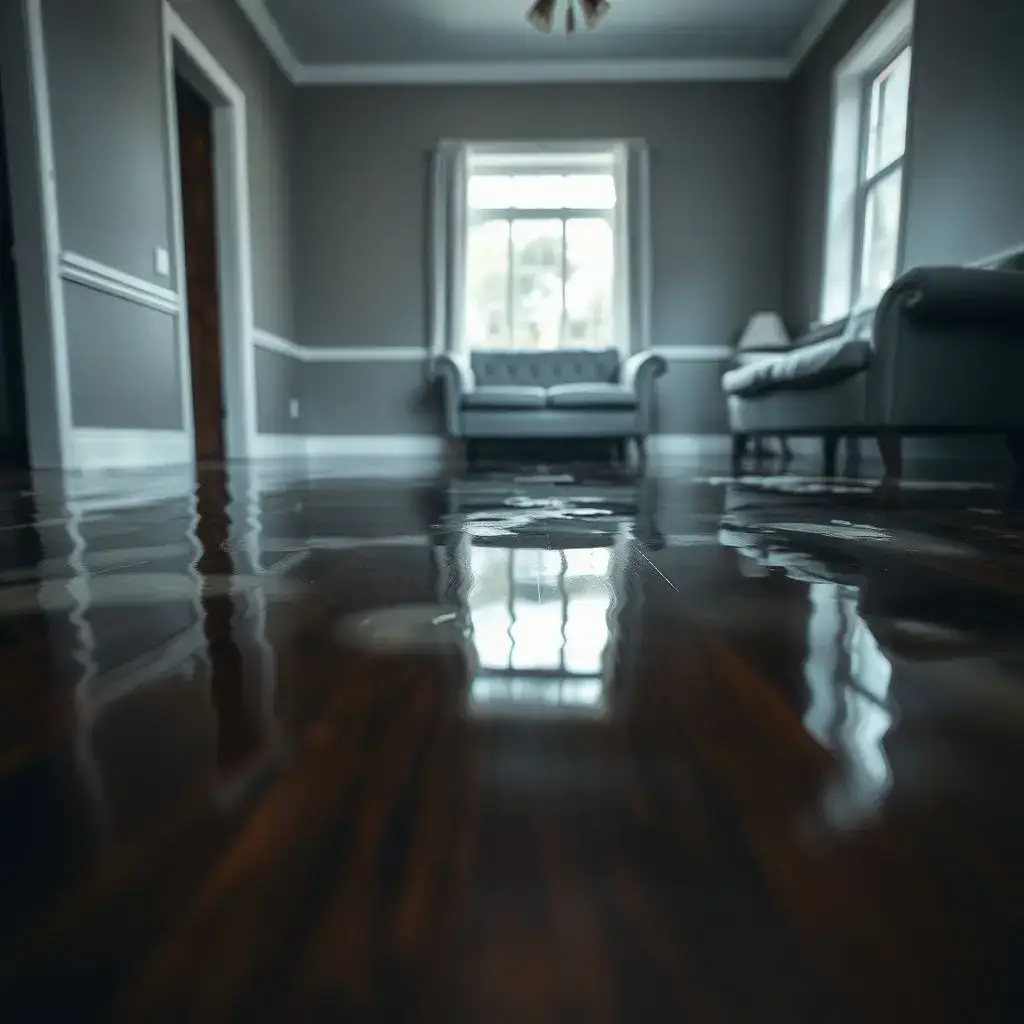
A pressurized pipe failure in a commercial setting is never just a simple leak; it is a high-stakes race against the clock to prevent a building envelope breach from compromising your entire operation. When a main line lets go in a Savannah office building or retail warehouse, the volume of water can saturate subfloors and crawl into wall cavities within minutes. You aren't just dealing with a puddle on the floor. You are facing potential structural instability and the immediate threat of category 2 water intrusion. Our team understands that for local facility managers, every hour of standing water represents a compounding loss in revenue and a growing liability for staff and customers alike.
We don't guess where the water went. Our experienced technicians use advanced moisture mapping and thermal imaging inspection to track the migration of water through commercial drywall remediation zones and deep into subfloor saturation points. This data-driven approach ensures we don't leave pockets of humidity behind that could fuel secondary mold growth—a massive concern given Savannah’s year-round high humidity levels. By focusing on precise pipe isolation and shutoff followed by immediate commercial water extraction, we stabilize the environment before the damage can migrate into neighboring suites or inventory storage areas.
The complexity of a commercial loss requires more than just a few fans; it demands a strategic desiccant dehumidification plan to achieve true structural drying. You need a partner who provides detailed insurance loss documentation that your adjuster actually requires for a smooth claim process. We document every step of the mitigation, from the initial moisture readings to the final dry-out verification, ensuring your business interruption mitigation is handled with the same rigor as the physical cleanup. Whether you are managing a historic property downtown with aging galvanized plumbing or a modern facility in Chatham County, our goal is to get your doors back open while protecting the long-term integrity of your investment.
Our licensed operators handle commercial pipe burst repair with upfront pricing, fully insured equipment, and 24/7 availability throughout Savannah, GA.
Commercial Pipe Burst Repair Savannah, GA
Minimizing Business Interruption through Rapid Mitigation
When a pressurized pipe failure occurs in a high-rise office or a retail storefront, the clock doesn't just tick—it roars. The primary advantage of professional intervention after a commercial pipe burst is the aggressive containment of what we call the migration path. Water from a burst line isn't static; it travels through floor assemblies, down elevator shafts, and into wall cavities where it can hide for weeks. By bringing in experienced technicians immediately, you aren't just mopping up a mess; you are initiating a scientific drying protocol designed to save your subfloors and drywall from permanent structural failure. In the heavy humidity of Savannah, this speed is the only thing standing between a three-day drying project and a three-week mold remediation nightmare.
We focus heavily on business interruption mitigation because we know that every hour your doors are closed represents lost revenue that insurance might not fully recover. Our crew uses advanced moisture mapping and thermal imaging inspection to identify exactly where the water traveled, ensuring we don't tear out more material than is absolutely necessary. This surgical approach to commercial water extraction allows us to isolate the damage, often keeping unaffected parts of your facility operational while we work. We provide the detailed insurance loss documentation your adjuster requires, using industry-standard line-item estimating to ensure your claim reflects the true scope of the work performed. You get a stabilized building, a clear paper trail, and a significantly faster return to normal operations.
-
Immediate pipe isolation and shutoff to halt the source of pressurized water flow and prevent further flooding.
-
High-volume commercial water extraction to remove standing liquid from subfloors, concrete, and commercial carpets.
-
Strategic moisture mapping to track water migration through hidden building envelope breaches and wall cavities.
-
Industrial-grade desiccant dehumidification to stabilize interior humidity levels against the Savannah heat.
-
Detailed insurance loss documentation and moisture logs to streamline the claims process with your provider.
-
Structural drying protocols that prioritize the preservation of expensive commercial finishes and inventory.
Commercial Pipe Burst Repair Savannah, GA
Why Choose Mason Restoration, LLC for Commercial Pipe Burst Repair
Mason Restoration, LLC combines local knowledge, modern equipment, and honest communication for every commercial pipe burst repair call.
Rapid Pipe Isolation and Shutoff
We move quickly to stop the source, preventing further subfloor saturation and protecting your equipment.
IICRC Certified Expertise
Our crew follows ANSI/IICRC S500 drying protocols to ensure your property meets safety standards for re-occupancy.
Insurance Loss Documentation
We provide the detailed moisture logs and line-item estimates your adjuster needs to process the claim without friction.
Business Interruption Mitigation
Our priority is keeping your doors open or getting them back open by using desiccant dehumidification for faster structural drying.
Commercial Pipe Burst Repair Savannah, GA
Common Questions About Commercial Pipe Burst Repair
Commercial Pipe Burst Repair Savannah, GA
Commercial Pipe Burst Remediation Savannah
Ignoring the full scope of a pipe burst can lead to a building envelope breach that threatens the very bones of your facility. In Savannah, where ambient humidity often hovers above 70%, a pressurized pipe failure isn't just a plumbing problem; it’s a race against microbial growth. When thousands of gallons of category 2 water intrusion hit your commercial drywall or seep into subfloor saturation, the clock starts ticking on your bottom line. You aren't just dealing with a mess; you're managing a liability. If standing water isn't addressed with professional commercial water extraction immediately, you risk structural instability and long-term business interruption that costs far more than the initial repair.
Our approach goes beyond surface-level mopping. We use thermal imaging inspection and precision moisture mapping to find exactly where that water traveled—often into wall cavities or under heavy machinery where it remains trapped. Without high-capacity desiccant dehumidification, that trapped moisture will rot out your framing and trigger secondary mold issues within 48 hours. Our experienced technicians understand that for a Savannah business, every hour of downtime is lost revenue. We prioritize pipe isolation and shutoff to stop the bleed, then move straight into aggressive structural drying to save as much of your original building material as possible.
Proper insurance loss documentation is another reason why professional intervention is non-negotiable. Your adjuster needs more than just a few photos; they require detailed moisture logs and a clear scope of work that follows the S500 standard. Whether you are managing a historic property downtown or a modern warehouse in the areas we serve, we provide the data-backed evidence needed to support your claim. We focus on commercial drywall remediation and deep-structure drying so you can reopen your doors with the confidence that your air quality is safe and your subfloors are bone-dry.
Our Services
Commercial Water Damage Restoration
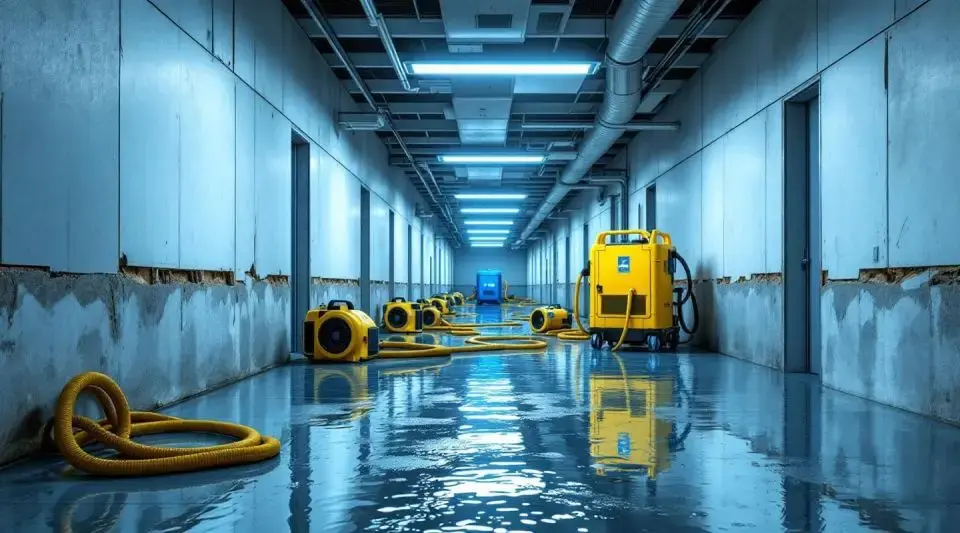
Our specialized team provides immediate 24/7 emergency response for San Diego commercial properties, utilizing advanced moisture detection and high-capacity extraction tools to eliminate standing water and prevent costly business interruptions.
View Service
Hotel Water Damage Restoration
When a vertical riser pipe bursts or a heavy Savannah thunderstorm overwhelms a roof, your property doesn't just face a maintenance issue; it faces a direct threat to its brand reputation.
View Service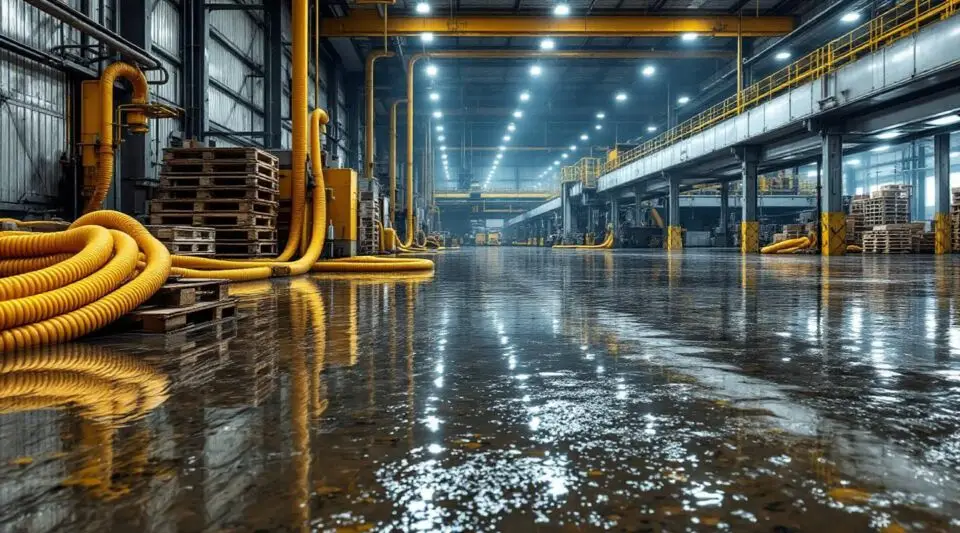
Industrial Flood Cleanup
Savannah’s industrial landscape, stretching from the logistics hubs near the Port to the manufacturing corridors of Chatham County, faces a unique set of water-related risks.
View Service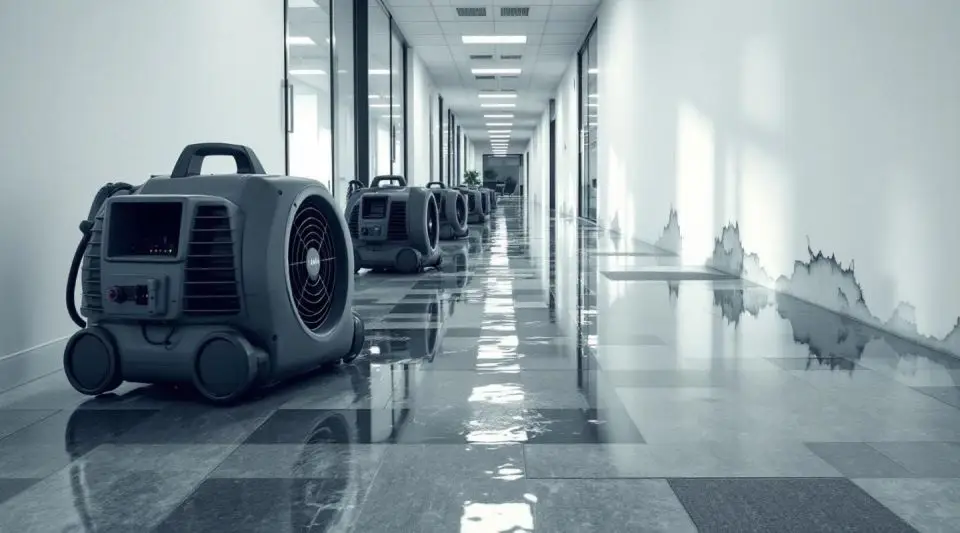
Office Building Flood Repair
When a building envelope breach or a pressurized pipe burst occurs in a Savannah office complex, the clock starts ticking against your bottom line.
View Service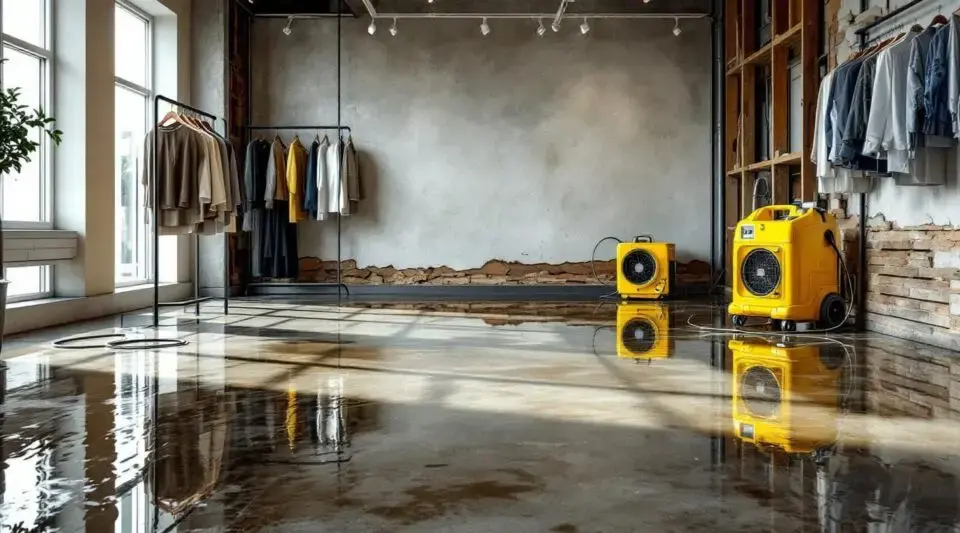
Retail Store Flood Recovery
When a water main snaps or a coastal storm surges into your storefront, the clock starts ticking against your inventory and your bottom line.
View Service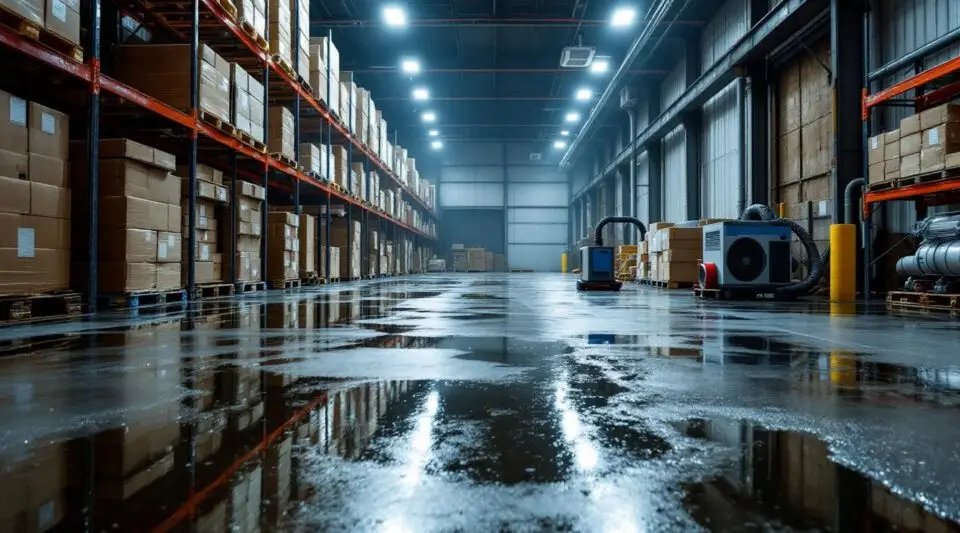
Warehouse Water Damage Cleanup
Our specialized team delivers rapid water extraction and industrial-grade structural drying to protect your inventory and restore your San Diego commercial facility to full operation after a flood.
View Service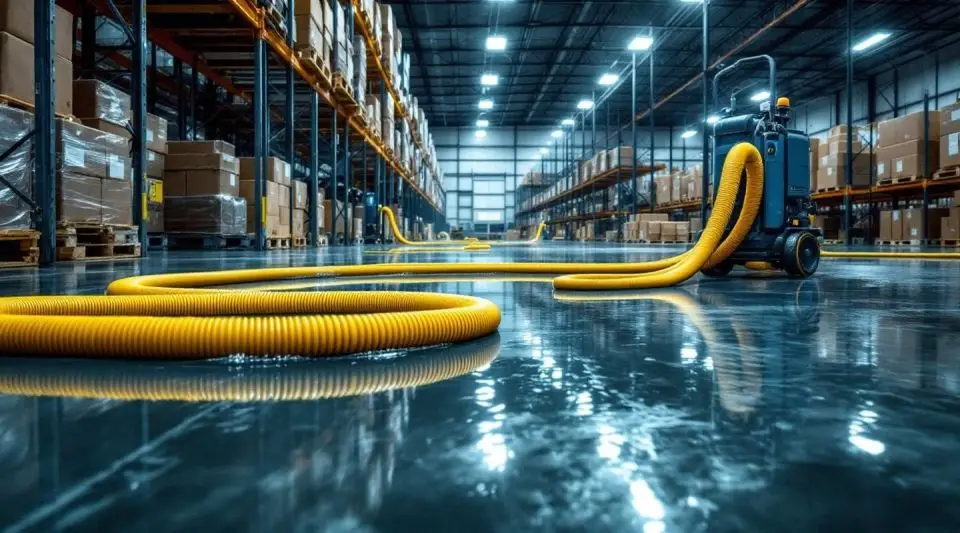
Warehouse Water Extraction
When a main fire suppression line bursts or a coastal Savannah storm pushes floodwater through your loading docks, the clock starts ticking against your bottom line.
View ServiceProtect Your Operations from Pressurized Pipe Failure
Don't let a burst pipe shut down your operations for good. Our Savannah-based team of experienced technicians understands that every hour of downtime represents lost revenue and potential liability. We prioritize immediate commercial water extraction and pressurized pipe failure containment to protect your subfloors and structural integrity.
We provide the detailed insurance loss documentation and moisture mapping required to satisfy adjusters while keeping your project on track. From desiccant dehumidification to targeted structural drying, we use the right tools to get your doors back open. Call Mason Restoration, LLC today for a professional response that respects your bottom line.
What They Say About Us:
The crew arrived at our property near Forsyth Park and handled the basement flooding with incredible precision and professional tools. They meticulously dried every hidden wet spot and explained their plan to prevent mold growth throughout the building.
Dina
Professional Commercial Pipe Burst Repair and Mold PreventionTheir team responded so quickly to our call that the basement water was cleared out before any serious structural damage could occur. We were impressed by how fast they arrived at our Savannah location to handle the emergency.
Sandra
Rapid Response for Commercial Pipe Burst Repair Near River StreetThe technicians efficiently dried our walls and ceilings after a major leak impacted our facility in the Historic District. They walked us through the entire restoration process step by step so we knew exactly what to expect.
Movil
Expert Commercial Pipe Burst Repair and Wall Drying ServicesNavigating the insurance claim for our water damage was simple thanks to their helpful guidance and documentation. They made the entire repair process near the Starland District quick and completely stress-free for our team.
Ginger
Stress-Free Commercial Pipe Burst Repair and Insurance Claim AssistanceWe were very impressed by their prompt communication and the detailed way they inspected the water damage in our commercial kitchen. They carefully checked all the surrounding rooms near Ardsley Park to ensure no moisture was left behind.
Lela
Thorough Inspection Following a Commercial Pipe Burst Repair Job