Burst Pipe Water Damage Savannah, GA
Rapid Response to Stop Flooding and Protect Your Property
Walking into your home to find a hallway turned into a river is a nightmare no homeowner wants to face. Whether it’s a failed copper pipe in an older Ardsley Park bungalow or a sudden supply line break in a modern Midtown kitchen, the volume of water released in just an hour can be staggering. You aren't just dealing with a puddle; you're dealing with pressurized water intrusion that forces its way under baseboards and into the subfloor. Our experienced technicians understand that every minute the water sits, the restoration scope grows, which is why we prioritize rapid containment and extraction.
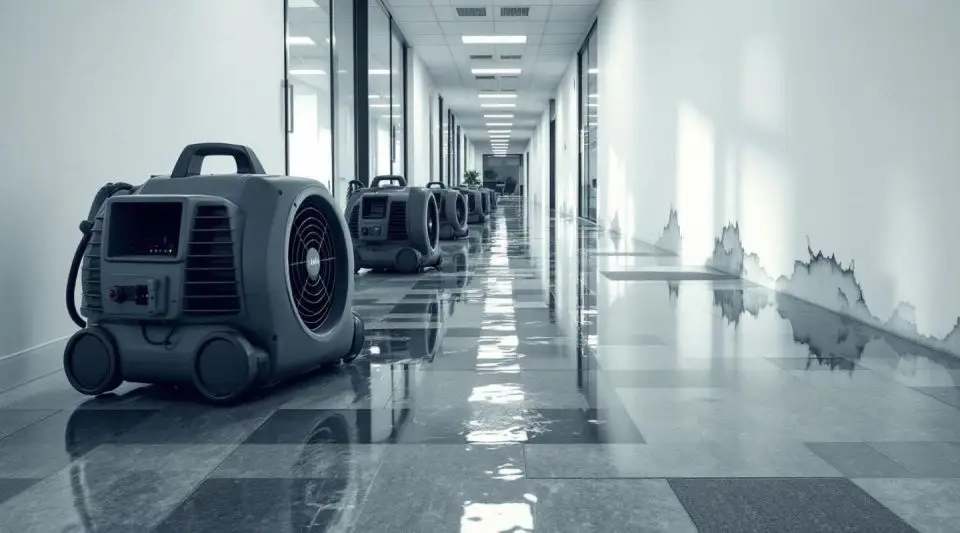
We don't just suck up the standing water and leave. Effective pipe burst cleanup requires a scientific approach to structural drying. We use moisture mapping and thermal imaging to find exactly where that water traveled—often it’s hidden behind drywall or trapped beneath hardwood floors where you can't see it. In Savannah’s high humidity, category 1 water from a clean supply line can quickly degrade if not addressed. Our IICRC certified technicians set up strategic drying equipment placement, including high-velocity air movers and industrial dehumidifiers, to pull moisture out of the air and the building materials simultaneously.
Many property owners worry about the long-term cost or whether their insurance will cover the damage. We focus on secondary damage prevention to keep those costs from spiraling. If we can save your original subfloor or dry out the drywall saturation before mold takes hold, we save you thousands in reconstruction fees. You need a team that documents every step for your adjuster, providing the psychrometric drying calculations they require to approve a claim. We stay on-site until the job is done, monitoring the progress daily to ensure your home returns to a safe, dry state.
Our licensed operators handle burst pipe water damage with upfront pricing, fully insured equipment, and 24/7 availability throughout Savannah, GA.
Burst Pipe Water Damage Savannah, GA
Protecting Your Home from Hidden Water Intrusion
When a copper pipe failure or a sudden freeze sends gallons of category 1 water into your living room, the clock starts ticking against your home’s structural integrity. You might see the standing water on the surface, but the real danger lies in the drywall saturation and the moisture creeping silently under your baseboards. In Savannah’s relentless humidity, professional pipe burst cleanup isn't just about mopping up; it's about aggressive structural drying that reaches the places you can't see. We use high-capacity dehumidification and air movers to pull moisture out of the air and the building materials before the environment becomes a breeding ground for microbial growth.
Our approach relies on precision moisture mapping rather than guesswork. By using thermal imaging, our team identifies exactly how far the water intrusion traveled behind your walls and beneath your subfloor. This data-driven method prevents the "secondary damage" that often surfaces months later, like buckled hardwoods or delaminated subfloors. You shouldn't have to wonder if your home is truly dry. We provide the psychrometric drying calculations and daily moisture readings that prove the job is done right, ensuring your Georgia residence remains a safe, stable environment for your family.
-
Immediate water extraction to prevent subfloor damage and hardwood buckling.
-
Thermal imaging technology to locate hidden moisture pockets behind finished walls.
-
Industrial-grade dehumidification tailored to Savannah's high-humidity climate.
-
IICRC certified drying protocols that meet strict insurance documentation requirements.
-
Strategic drying equipment placement to maximize airflow and minimize drying time.
Burst Pipe Water Damage Savannah, GA
Why Choose Mason Restoration, LLC for Burst Pipe Water Damage
Mason Restoration, LLC combines local knowledge, modern equipment, and honest communication for every burst pipe water damage call.
IICRC Certified Expertise
Our technicians follow the strict IICRC S500 standards for professional water damage restoration, ensuring every step is scientifically sound.
Rapid 24/7 Response
We prioritize pipe burst cleanup because we know extraction must happen immediately to prevent hardwood floor buckling and drywall saturation.
Advanced Moisture Detection
We use thermal imaging cameras to locate hidden pockets of water inside wall cavities that traditional meters often miss.
Insurance Claim Support
We provide the comprehensive documentation, photos, and moisture readings your adjuster needs to process your claim without unnecessary delays.
Burst Pipe Water Damage Savannah, GA
Burst Pipe Water Damage: Common Questions & Expert Answers
Burst Pipe Water Damage Savannah, GA
Savannah Burst Pipe Cleanup
Ignoring the full scope of a burst pipe is a gamble with your home’s structural health. While the water from a copper pipe failure might look clean initially, it quickly becomes a breeding ground for problems. In a city like Savannah, where the ambient humidity rarely takes a day off, standing water doesn't just sit; it migrates. It wicks up into your baseboards and begins the process of drywall saturation within minutes. If you don’t act fast, that Category 1 water can degrade, leading to secondary damage prevention challenges that are far more expensive to fix than the initial leak.
You might think that once the visible puddles are gone, the danger has passed. That’s a common mistake. Water often finds its way into the subfloor or trapped behind wall cavities where your eyes can't reach. Our experienced technicians use thermal imaging and moisture mapping to find these hidden pockets of moisture. Without professional-grade dehumidification and strategic drying equipment placement, that trapped water can cause hardwood floors to buckle or subfloors to delaminate. We’ve seen too many homeowners in the Historic District try to DIY a dry-out, only to find structural rot months later because the core of the building material never actually reached its dry standard.
Time is your biggest enemy when a pipe bursts in Georgia. Within 24 to 48 hours, the high moisture levels in your home can trigger mold growth, especially in Savannah’s subtropical climate. This isn't just about a musty smell; it’s about protecting the air your family breathes. Proper structural drying requires more than just a few household fans. It takes psychrometric drying calculations to ensure the air is thirsty enough to pull moisture out of the dense materials in your home. By prioritizing a thorough pipe burst cleanup now, you avoid the massive headache of a full-scale mold remediation project down the road.
Our Services
Basement Flood Cleanup
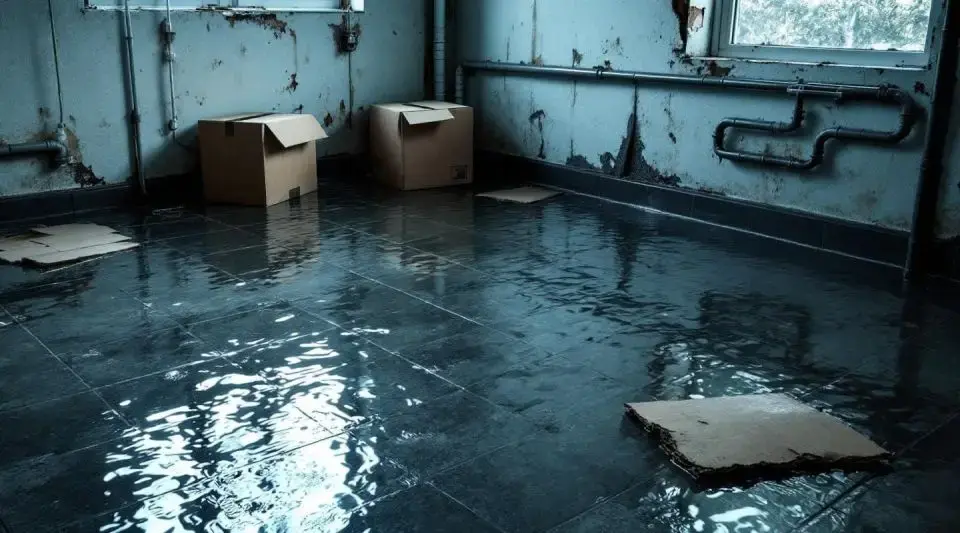
Discovering standing water in your basement is a high-stress event that demands immediate action, especially given Savannah’s low-lying coastal geography and notoriously high water table.
View Service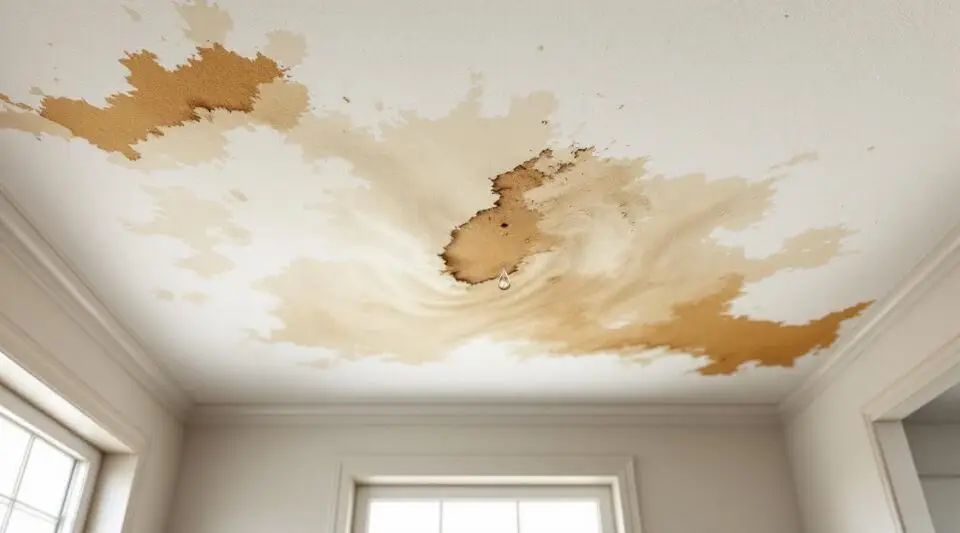
Ceiling Water Damage Repair
Finding a dark, spreading stain on your ceiling or watching drywall begin to sag after a heavy Savannah thunderstorm is more than a cosmetic nuisance.
View Service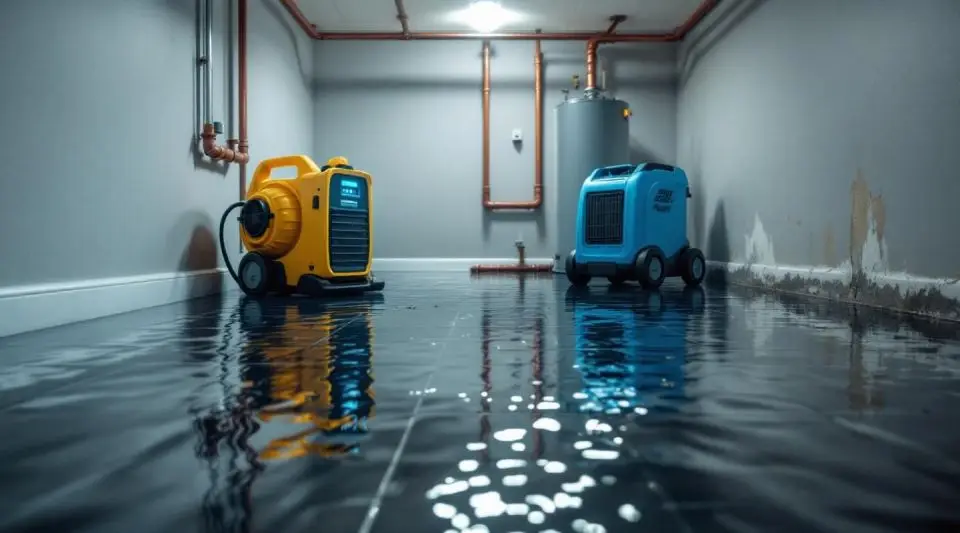
Emergency Water Damage Repair
When you walk into a kitchen flooded by a failed supply line or a sudden ceiling leak, the sense of overwhelm is immediate.
View Service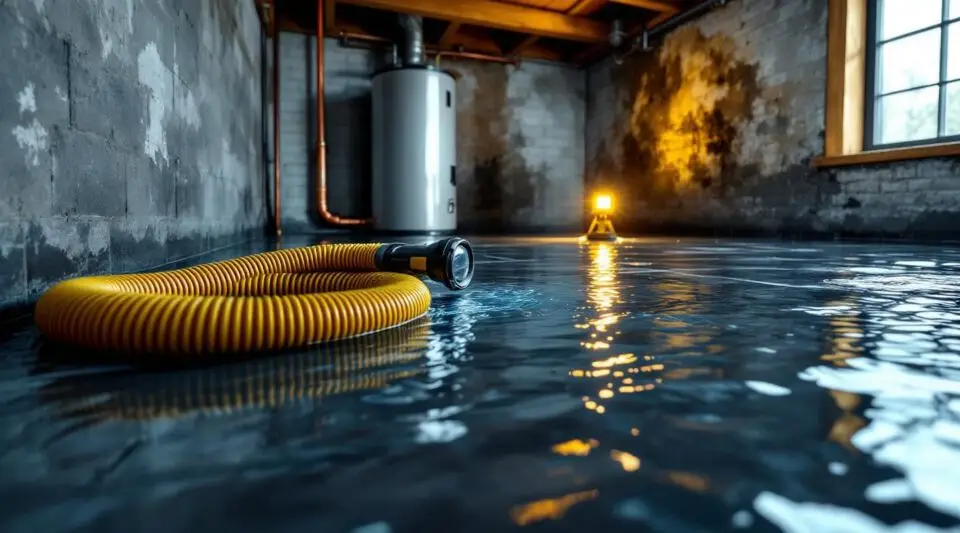
Home Water Removal Services
When water enters your Savannah home, the clock starts ticking against your property’s structural integrity.
View Service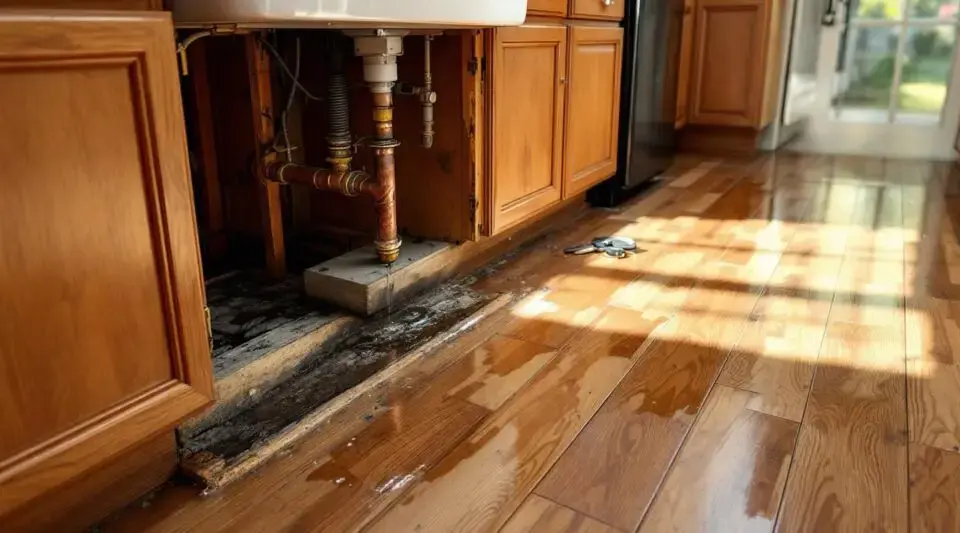
Kitchen Leak Damage Repair
A kitchen leak rarely stays confined to the cabinet where it started.
View Service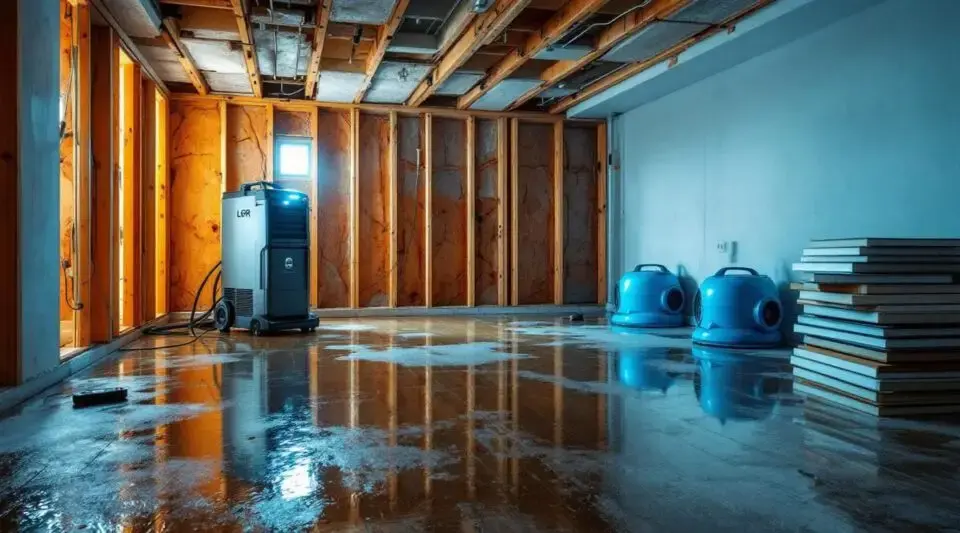
Residential Flood Restoration
Our San Diego team provides immediate, 24/7 emergency response to extract standing water and implement advanced structural drying techniques that protect your family’s home from mold and long-term structural compromise.
View Service
Sewage Backup Cleanup
Walking into a home where a sewer line has failed is a visceral experience that goes far beyond a simple plumbing leak.
View ServiceStop the Flood Before It Destroys Your Savannah Home
Don’t wait for standing water to seep into your subfloor or wick up your drywall. In Savannah’s heavy humidity, a single pipe burst can trigger mold growth in as little as 24 to 48 hours. Our experienced technicians are ready to deploy immediately with professional water extraction and structural drying equipment to stabilize your property before secondary damage takes hold.
Whether you are dealing with a copper pipe failure or a ruptured supply line, we provide the detailed moisture mapping and documentation your insurance adjuster needs to process your claim accurately. Call us now to get an expert on-site who can stop the intrusion and start the drying process before the damage multiplies.
What They Say About Us:
We were impressed by how quickly the team responded to our call near Forsyth Park. They performed a thorough inspection of the water damage in our kitchen and the adjacent rooms.
Lela
Expert Burst Pipe Water Damage Assessment in Savannah KitchenThe crew dried out our walls and ceilings in Ardsley Park with incredible speed. They walked us through every step of the flood damage restoration process so we knew exactly what to expect.
Movil
Professional Burst Pipe Water Damage Drying and Repair GuidanceAfter the heavy rains flooded our basement near the Historic District, these professionals handled the water removal and drying with impressive precision. Their use of advanced moisture detection tools and focus on mold prevention gave us complete peace of mind.
Dina
Comprehensive Burst Pipe Water Damage Restoration and Mold PreventionThe team helped us navigate the insurance claim process for our water damage repairs in Isle of Hope. Their assistance made the entire experience quick and completely stress-free for our family.
Ginger
Stress-Free Insurance Claims for Burst Pipe Water DamageThey arrived at our home in Thunderbolt so quickly that the water was gone before any permanent damage could occur. We are very grateful for their prompt action in saving our basement from a major disaster.
Sandra
Rapid Response for Burst Pipe Water Damage in Basement