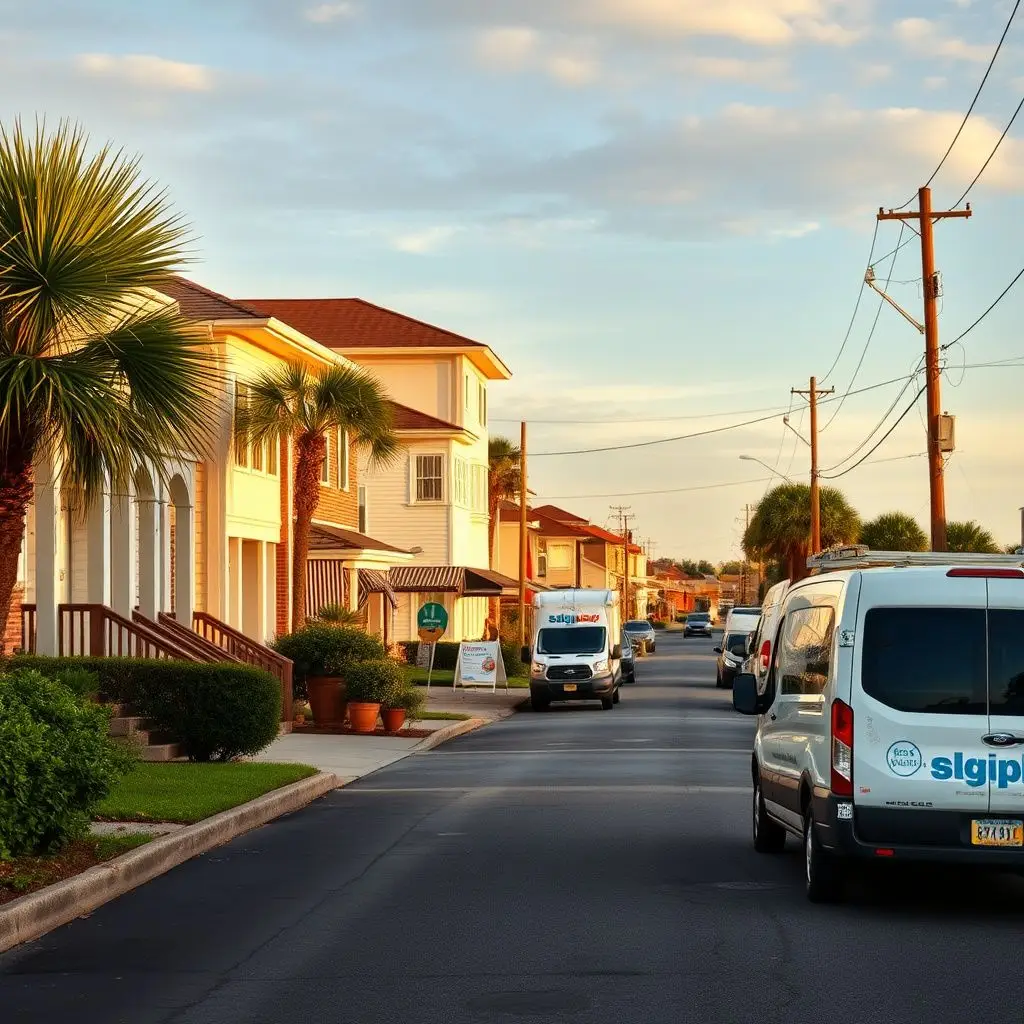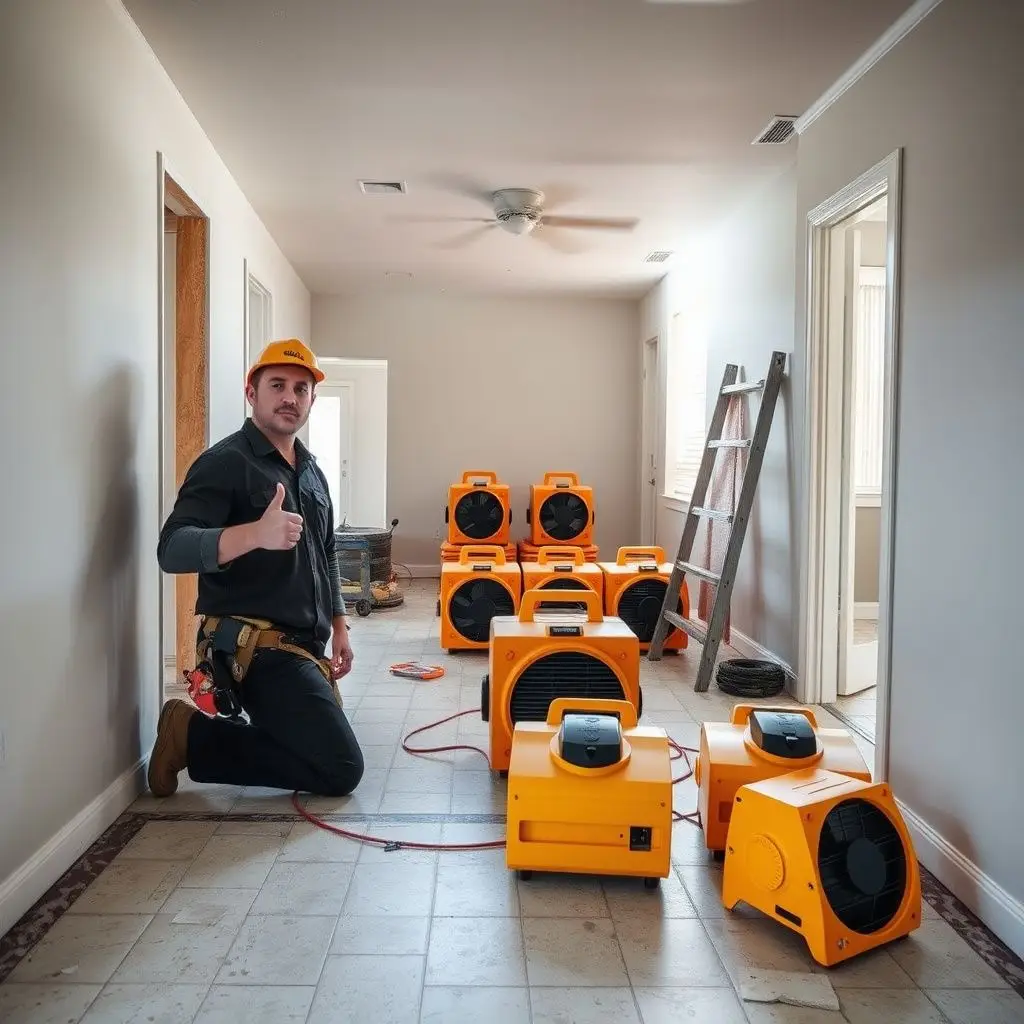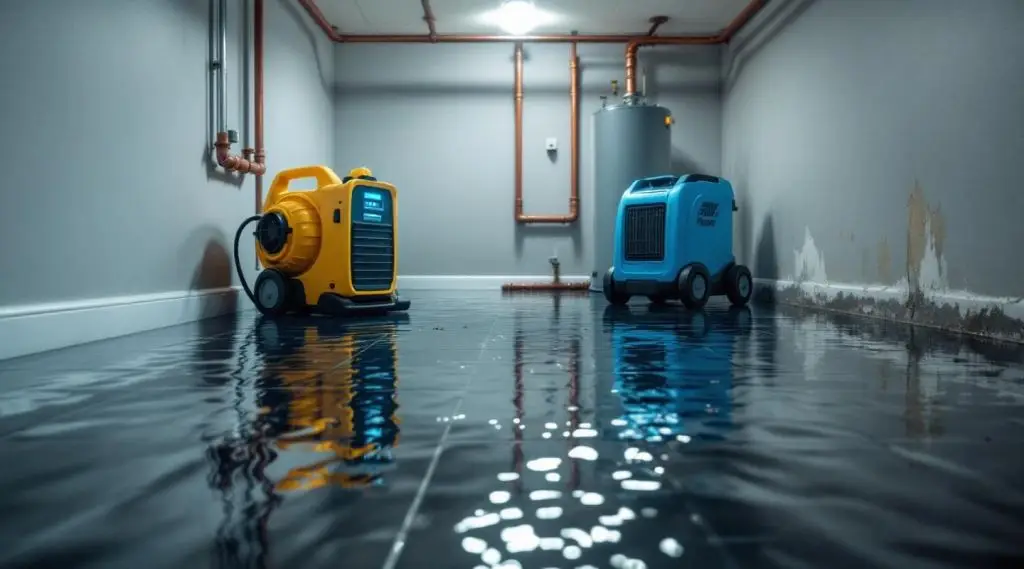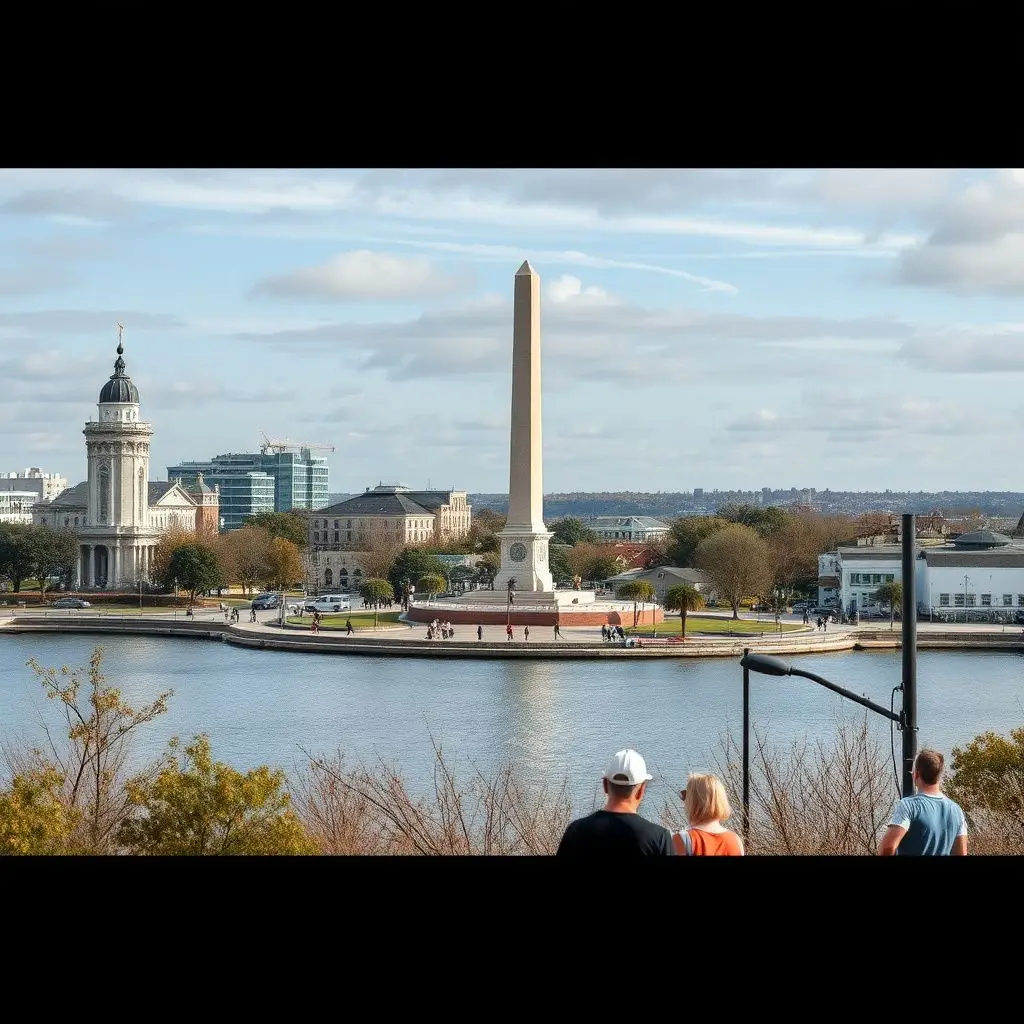
Isle of Hope occupies a unique and beautiful position on a tidal marsh peninsula, but this proximity to the Skidaway River brings specific environmental risks to local properties. When storm surges or exceptionally high tides push brackish water toward the historic cottages along Bluff Drive, the window for effective intervention is incredibly narrow. Our team understands that water intrusion here isn’t just about moisture; it’s about managing the corrosive salt content and biological contaminants found in marsh water that can quickly degrade building materials.
The architectural heritage of the area, characterized by pre-1960 historic cottages and homes on pier-and-beam foundations, requires a specialized touch. Unlike modern slab-on-grade construction, these older structures often feature irreplaceable heart-pine floors and plaster walls that react poorly to aggressive, high-heat drying methods. We utilize calibrated structural drying techniques that prioritize the preservation of historic materials while ensuring that crawl space moisture is fully eradicated to prevent long-term wood rot and structural instability.
Living in the Savannah coastal plain means contending with year-round Lowcountry humidity that frequently exceeds 70%. This high ambient moisture accelerates mold colonization, often within 24 to 48 hours of a pipe burst or roof leak. Our experienced crew is trained to identify the subtle signs of drywall wicking and hidden moisture pockets behind cabinetry, ensuring that a small appliance leak doesn’t turn into a full-scale microbial remediation project. We provide the technical documentation, including moisture maps and drying logs, necessary to navigate the complexities of insurance claims in a FEMA Special Flood Hazard Area.
| Monday | 8:00 AM – 8:00 PM |
|---|---|
| Tuesday | 8:00 AM – 8:00 PM |
| Wednesday | 8:00 AM – 8:00 PM |
| Thursday | 8:00 AM – 8:00 PM |
| Friday | 8:00 AM – 8:00 PM |
| Saturday | 8:00 AM – 8:00 PM |
| Sunday | 8:00 AM – 8:00 PM |
Choosing a restoration partner in Isle of Hope requires finding a team that understands the nuances of coastal architecture and the aggressive nature of Lowcountry humidity. We don’t apply a one-size-fits-all solution to our neighbors on the peninsula. Instead, we assess the specific construction of your home—whether it’s a historic pier-and-beam cottage or a modern renovation—to determine the safest and most effective drying path.
Our proximity to Isle of Hope allows us to guarantee rapid response times, which is critical when dealing with brackish water intrusion. We arrive equipped with industrial-grade dehumidifiers and air movers specifically sized for the high-volume moisture challenges common in our subtropical climate. By focusing on precision drying and thorough decontamination, we help homeowners avoid the long-term headaches of wood rot and hidden mold growth.
Our approach to restoration in Isle of Hope is dictated by the specific building codes and environmental challenges of Chatham County. We don’t just pull out water; we manage the entire recovery environment, from the initial Category 3 sewage backup cleanup to the final structural drying phase. Whether you are dealing with a sudden burst pipe in a modern renovation or tidal water creeping under the doors of a historic riverfront estate, our protocols are designed to meet IICRC S500 standards for safety and efficacy.
We serve both the residential pockets near Sandfly and the commercial interests along the Skidaway corridor, providing a comprehensive suite of services that include crawl space drying, hardwood floor recovery, and professional-grade dehumidification. Our local presence allows us to reach the peninsula quickly, often arriving before secondary damage like hardwood floor buckling or ceiling collapses can occur. We handle the heavy lifting of documentation, providing the photo evidence and moisture readings required by adjusters to ensure your claim reflects the true scope of the restoration needed.

When you walk into a kitchen flooded by a failed supply line or a sudden ceiling leak, the sense of overwhelm is immediate.
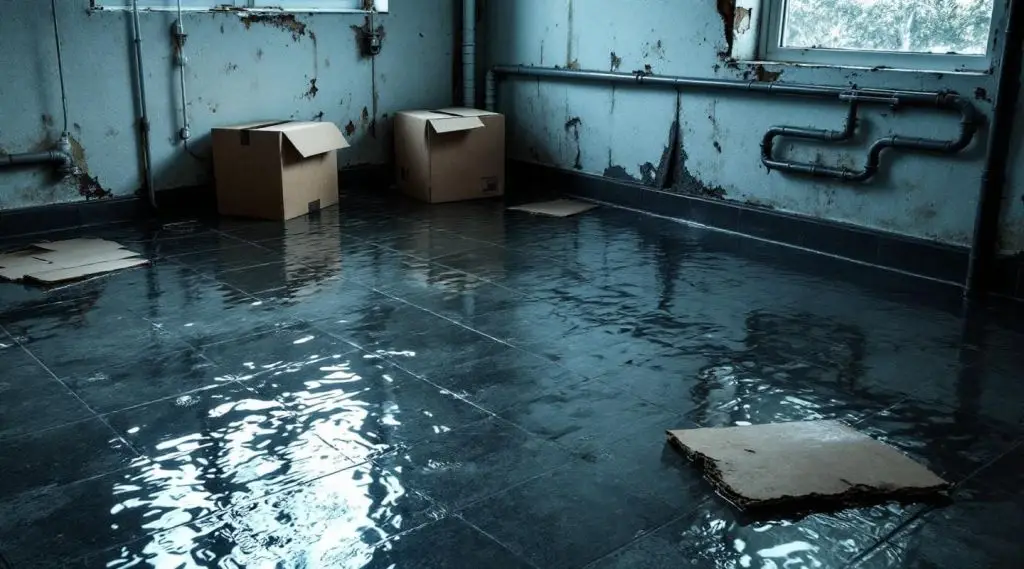
Discovering standing water in your basement is a high-stress event that demands immediate action, especially given Savannah’s low-lying coastal geography and notoriously high water table.
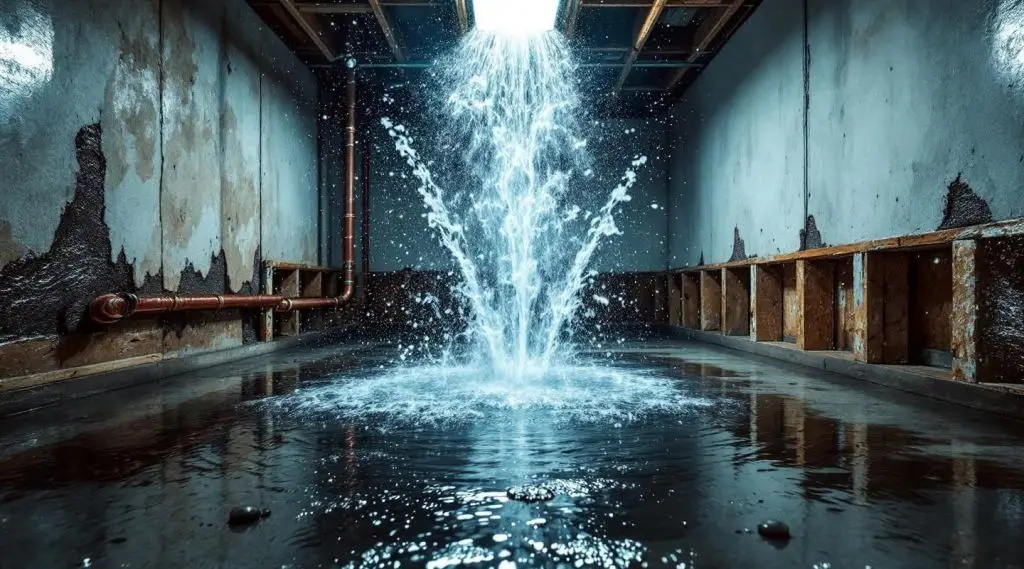
Walking into your home to find a hallway turned into a river is a nightmare no homeowner wants to face.
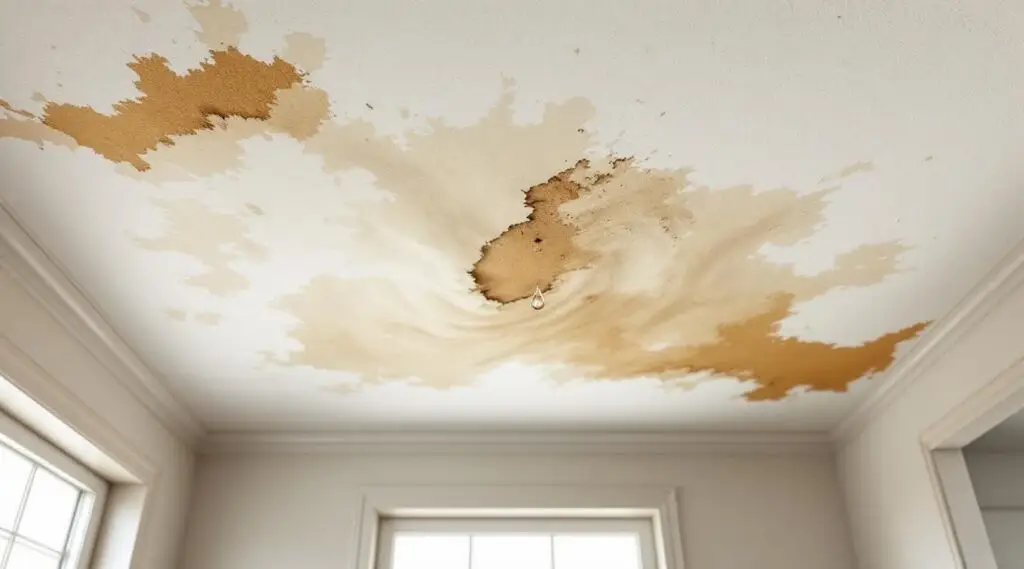
Finding a dark, spreading stain on your ceiling or watching drywall begin to sag after a heavy Savannah thunderstorm is more than a cosmetic nuisance.
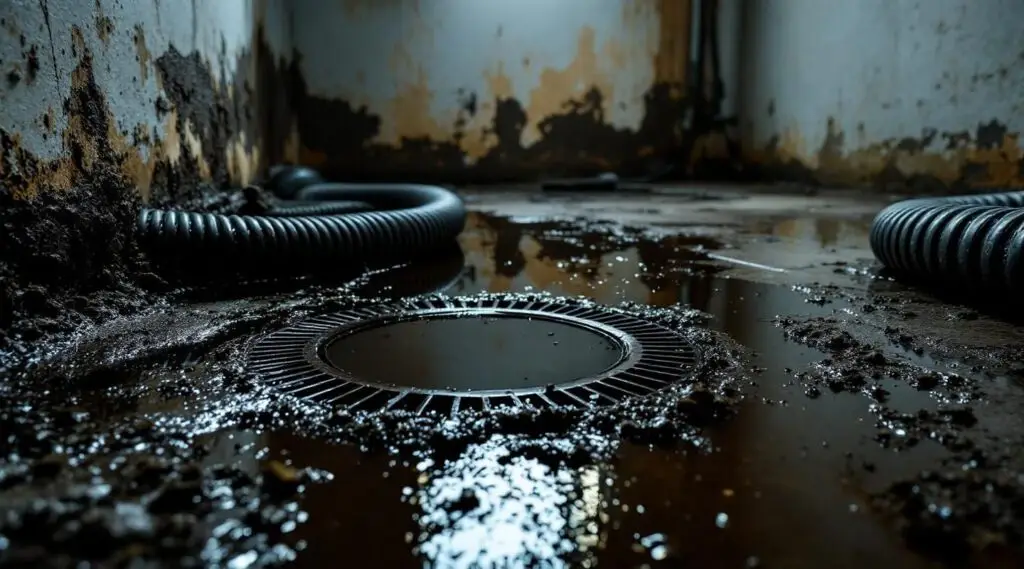
Walking into a home where a sewer line has failed is a visceral experience that goes far beyond a simple plumbing leak.
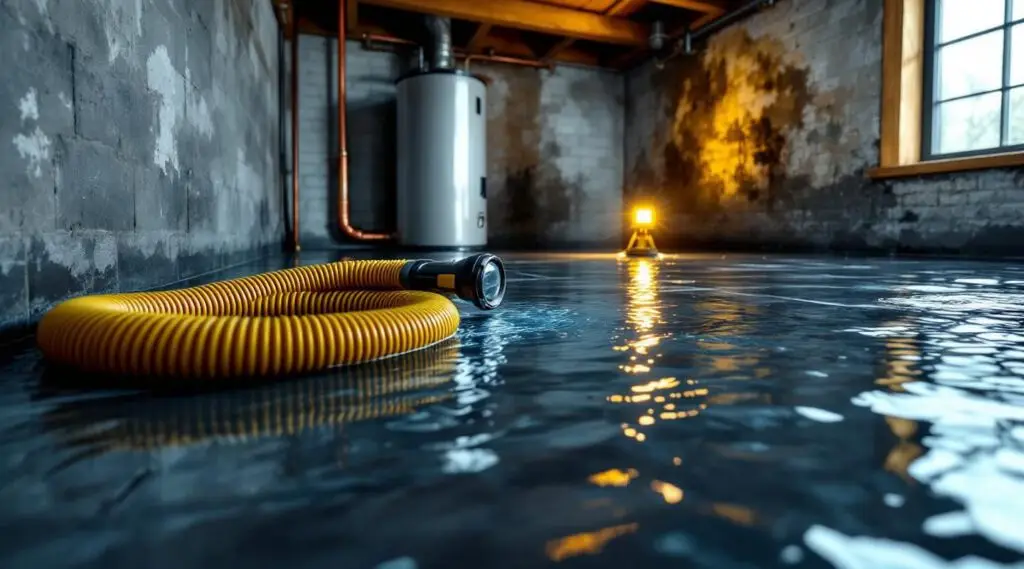
When water enters your Savannah home, the clock starts ticking against your property’s structural integrity.
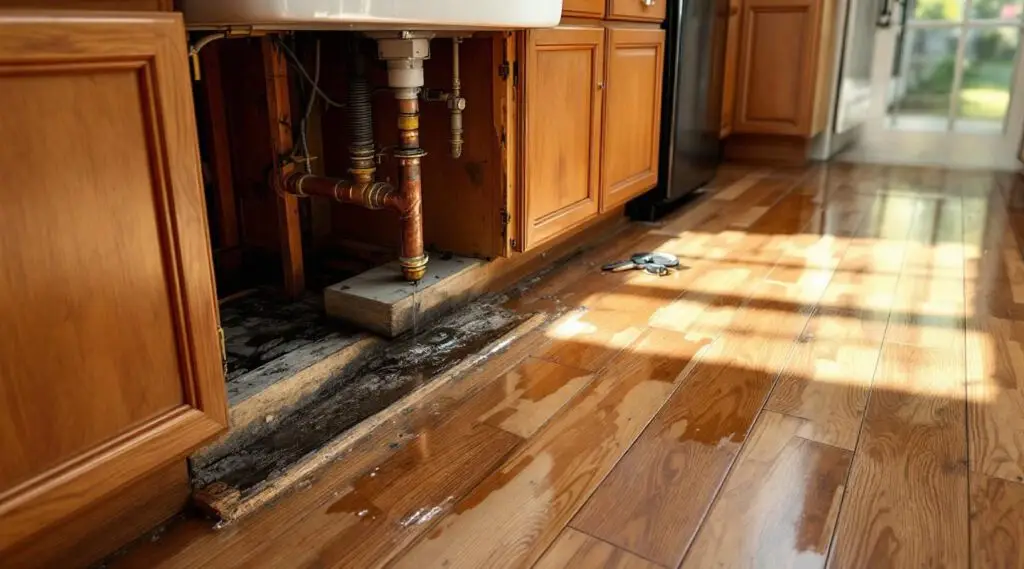
A kitchen leak rarely stays confined to the cabinet where it started.
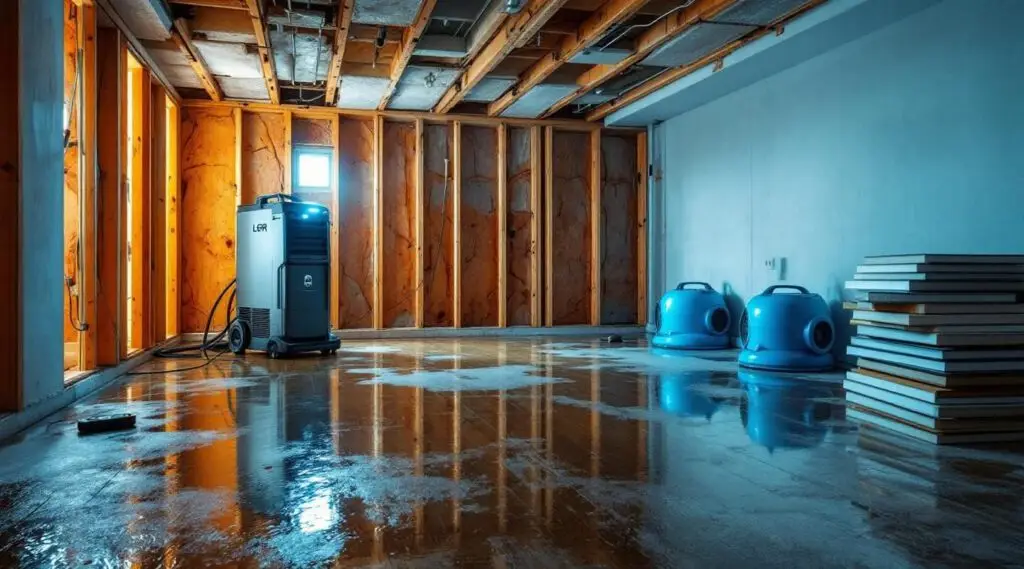
Our San Diego team provides immediate, 24/7 emergency response to extract standing water and implement advanced structural drying techniques that protect your family’s home from mold and long-term structural compromise.
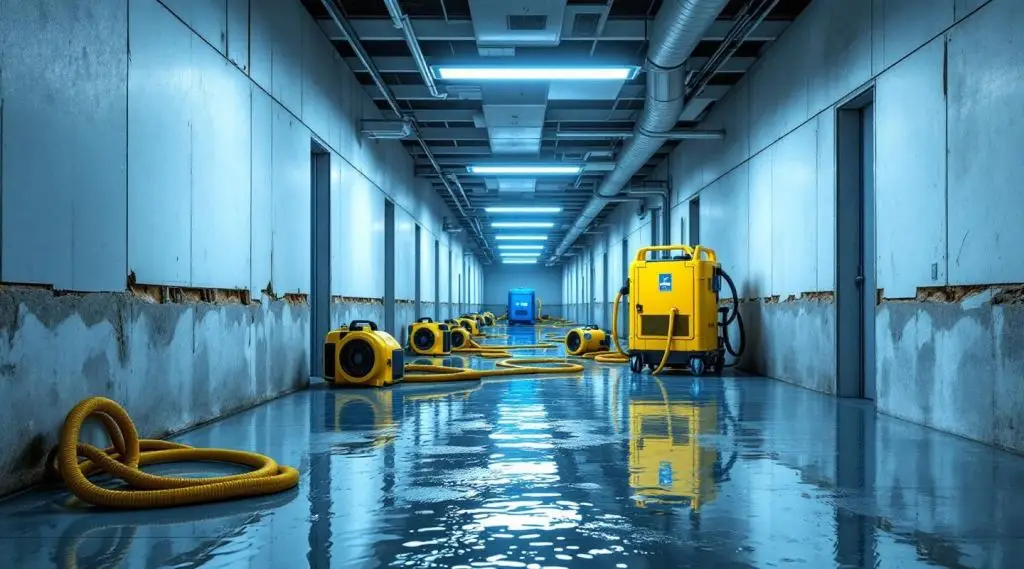
Our specialized team provides immediate 24/7 emergency response for San Diego commercial properties, utilizing advanced moisture detection and high-capacity extraction tools to eliminate standing water and prevent costly business interruptions.
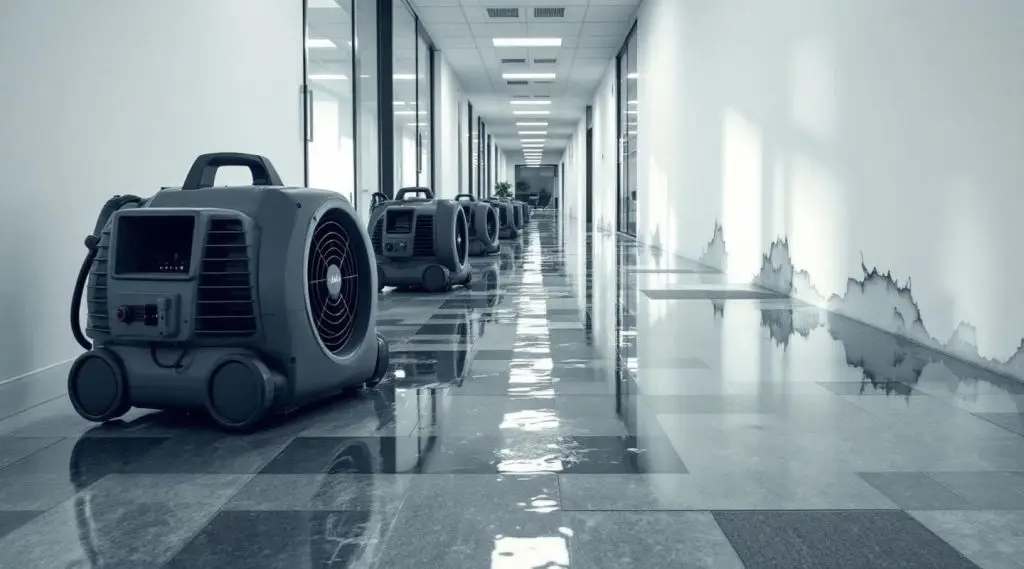
When a building envelope breach or a pressurized pipe burst occurs in a Savannah office complex, the clock starts ticking against your bottom line.
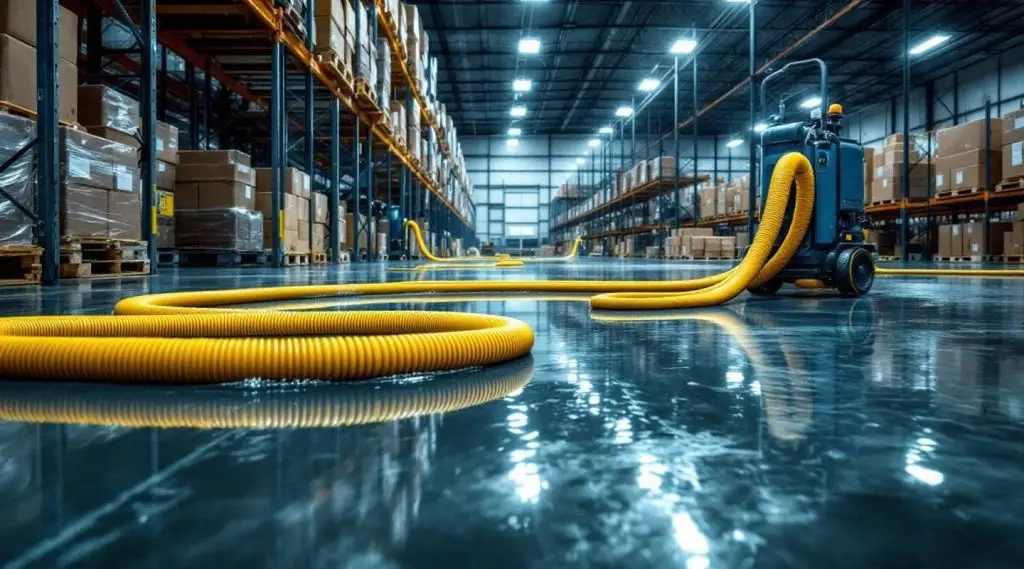
When a main fire suppression line bursts or a coastal Savannah storm pushes floodwater through your loading docks, the clock starts ticking against your bottom line.
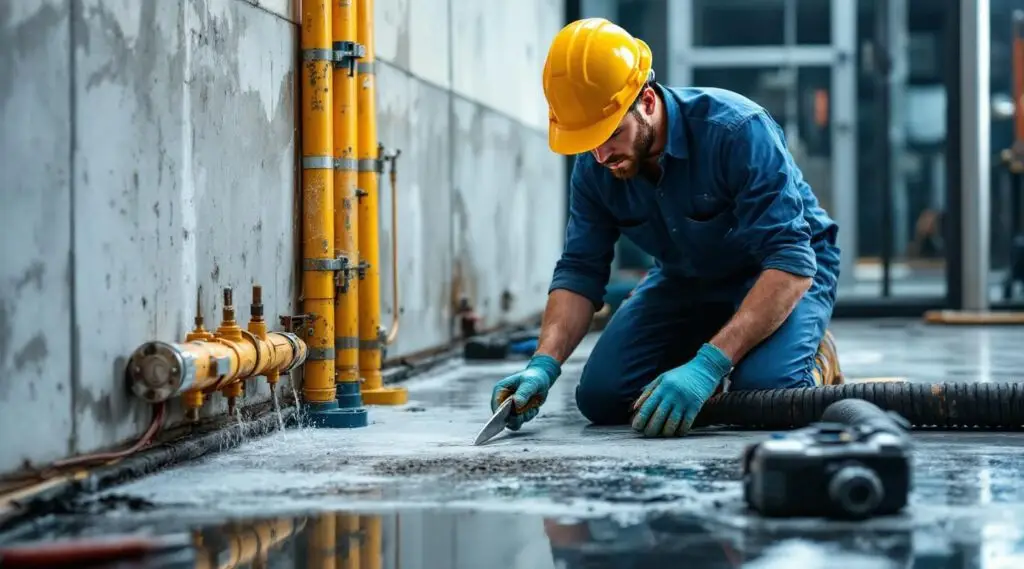
When a vertical riser pipe bursts or a heavy Savannah thunderstorm overwhelms a roof, your property doesn't just face a maintenance issue; it faces a direct threat to its brand reputation.
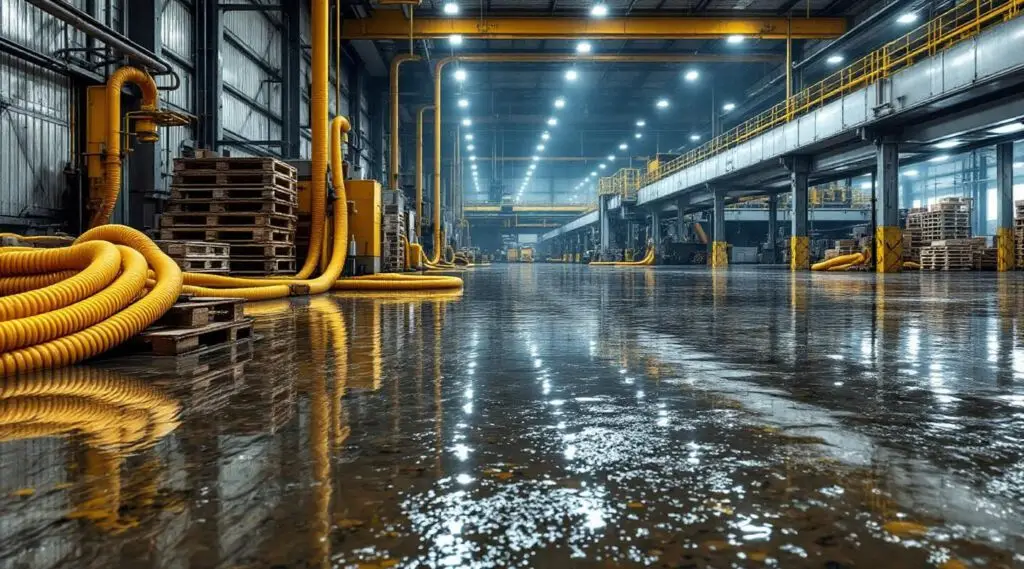
Savannah’s industrial landscape, stretching from the logistics hubs near the Port to the manufacturing corridors of Chatham County, faces a unique set of water-related risks.
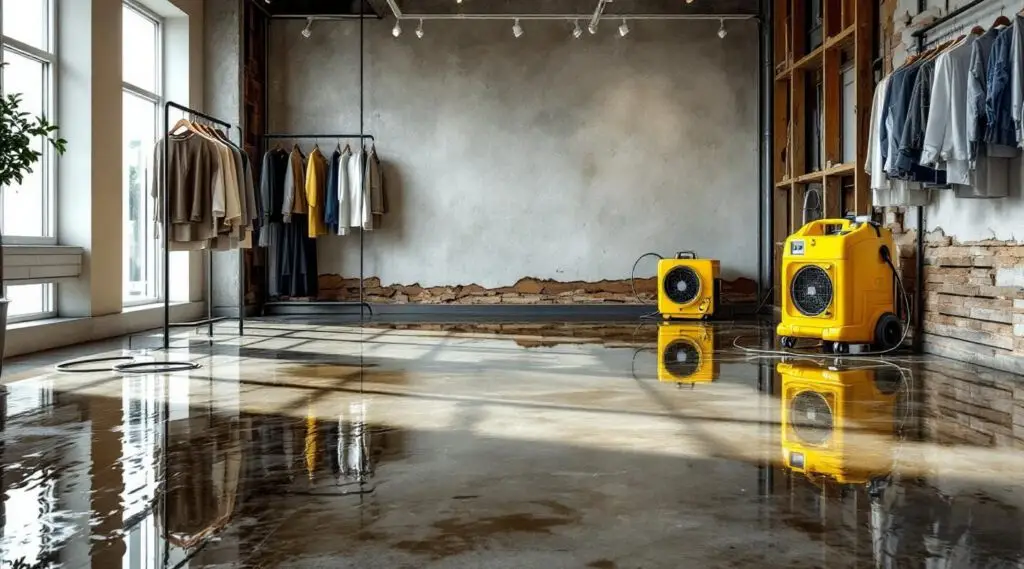
When a water main snaps or a coastal storm surges into your storefront, the clock starts ticking against your inventory and your bottom line.
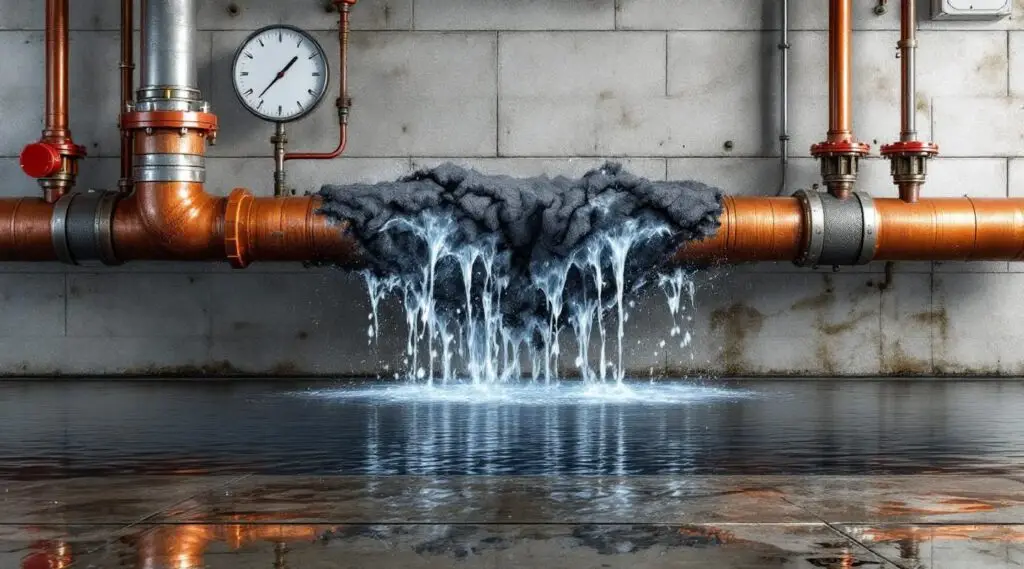
A pressurized pipe failure in a commercial setting is never just a simple leak; it is a high-stakes race against the clock to prevent a building envelope breach from compromising your entire operation.
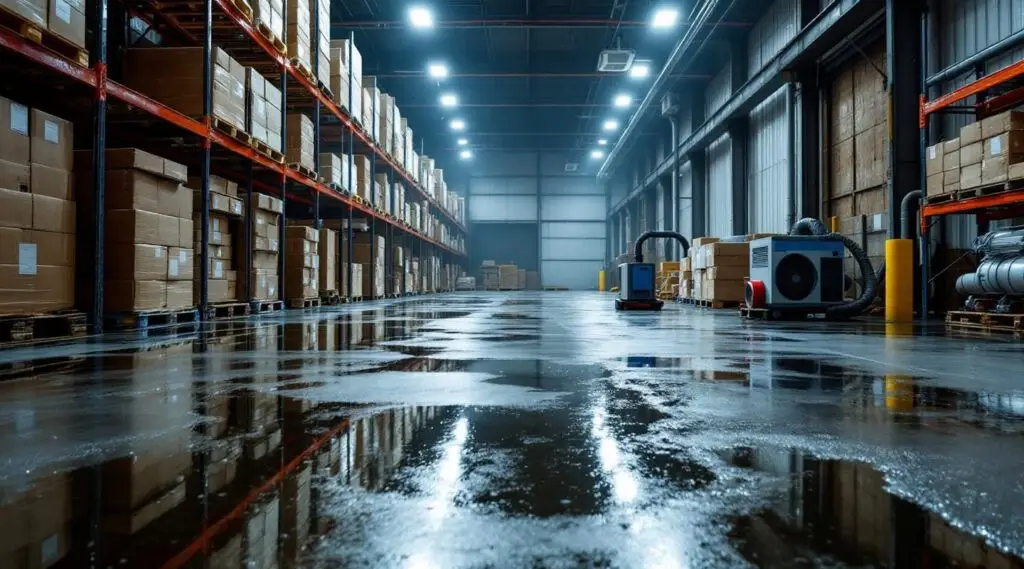
Our specialized team delivers rapid water extraction and industrial-grade structural drying to protect your inventory and restore your San Diego commercial facility to full operation after a flood.
Mason Restoration, LLC operates with a deep understanding of the local Chatham County landscape. We recognize that Isle of Hope residents face a double threat: the immediate danger of storm-driven flooding and the slow, silent damage caused by subtropical rainfall and high humidity. Our team is not just a group of technicians; we are specialists in Lowcountry building science, trained to handle the specific needs of older plumbing systems and the unique challenges of marsh-adjacent properties.
We believe that transparency is the foundation of every successful restoration project. When we enter a home on the peninsula, we provide a clear roadmap for recovery, explaining the difference between clean water leaks and contaminated Category 3 intrusions. By maintaining rigorous IICRC certifications and staying current with all service areas in the region, we ensure that our neighbors receive the highest standard of care, backed by professional documentation and a commitment to restoring safety and comfort to the community.
Isle of Hope began its modern history as a 19th-century summer retreat for Savannah residents looking to escape the heat and disease of the city. This legacy is still visible today in the diverse architectural styles that line the waterfront, ranging from simple Greek Revival cottages to more ornate Victorian-era homes. The community has successfully maintained its small-town, coastal feel even as the surrounding Chatham County area has grown, making it one of the most sought-after residential enclaves in the Lowcountry.
The visual identity of Isle of Hope is inseparable from its natural environment. The dramatic sweep of the Skidaway River and the vast expanse of the salt marshes provide a backdrop that is both beautiful and formidable. The mature live oak canopies are a signature feature, though they present their own challenges during the wet season from June through September, as falling debris can often clog gutters and redirect roof runoff toward vulnerable pier-and-beam foundations.
Today, Isle of Hope is a vibrant community that balances historic preservation with active coastal living. The neighborhood is a FEMA-designated flood zone, which has shaped the way homes are maintained and restored. Residents here are deeply invested in their properties, often preferring meticulous restoration of original materials over modern replacements. This respect for history is what drives our specialized approach to water damage, ensuring that the stories told by these historic structures continue for generations to come.
Isle of Hope is one of the most picturesque communities in the Savannah area, defined by its winding riverside drives and deep historical roots. The neighborhood’s character is shaped by the Skidaway River and the ancient live oaks that provide a canopy over its narrow, quiet streets. It is a place where the pace of life slows down, and the connection to the water is felt in every backyard and marina dock.
Preserving the beauty of this area is a priority for every resident, from the stewards of historic estates to the families enjoying the local parks. As we provide restoration services across the other cities we serve, we always find ourselves drawn back to the unique charm of the Isle of Hope waterfront. Understanding the local geography is essential for our work, as the tidal patterns of the surrounding marshes directly impact how we approach emergency water extraction and long-term moisture management.
Bluff Drive – A scenic riverside road famous for its historic homes and sweeping views of the Skidaway River and marshes.
Isle of Hope Marina – A historic marina providing a gateway to the Intracoastal Waterway and serving as a hub for the local boating community.
Wormsloe State Historic Site – Located just adjacent to Isle of Hope, this site features a breathtaking avenue of oaks and ruins from the colonial era.
Isle of Hope Baptist Church – A historic community landmark that has served the spiritual and social needs of the peninsula for generations.
At Mason Restoration, LLC, our promise to the Isle of Hope community is built on technical precision and clear communication. We understand that your home is likely your most significant investment, and in many cases, a piece of local history. We promise to treat every property with the specialized care it deserves, using non-invasive drying techniques whenever possible to protect original materials and historic finishes. We don’t consider the job done until the structural moisture levels have returned to their dry standard and your home is safe from the threat of secondary mold growth.
We also promise to be your advocate throughout the recovery process. Navigating insurance claims in a coastal flood zone can be overwhelming, especially when dealing with the specific requirements of FEMA and the NFIP. Our team provides the professional documentation and expert testimony needed to ensure your restoration is fully covered and performed to the highest industry standards. When you call us, you are getting a partner who is as invested in the preservation of Isle of Hope as you are.
Below are common questions:
Because we are based nearby at 7505 Waters Avenue, we can typically reach Isle of Hope in under 30 to 45 minutes. Rapid response is vital during a storm surge event because brackish water from the Skidaway River is highly corrosive and carries biological contaminants. Our team prioritizes emergency extraction to stabilize the environment and prevent the salt and silt from permanently damaging your home’s structure and finishes.
Most standard homeowners insurance policies specifically exclude damage caused by rising tidal water or storm surges. For these events, you typically need a separate policy through the Chatham County Flood Information resources or the NFIP. We assist Isle of Hope residents by providing the detailed moisture maps, drying logs, and photographic evidence required by flood insurance adjusters to ensure your claim is processed accurately.
Pier-and-beam homes are common in Isle of Hope and are particularly vulnerable to standing water in the crawl space. If not extracted quickly, this moisture wicks into the wooden floor joists and subflooring, leading to hardwood floor buckling and long-term wood rot. We use specialized crawl space drying systems that pull moisture out of the structural timber, preventing the musty odors and structural instability that often follow Lowcountry flooding events.
Yes, brackish marsh water is significantly more damaging than freshwater from a burst pipe. The salt content in the water acts as a desiccant, pulling moisture deep into porous materials like drywall and wood, while also corroding metal fasteners and electrical components. Furthermore, marsh water is classified as Category 3 (Black Water) due to bacteria and organic matter, requiring professional decontamination to ensure the home is safe for occupancy.
They helped us file a claim for water damage with our insurance carrier, which made it quick and stress-free.
Ginger Nguyen
Their workers dried out our walls and ceilings quickly and showed us how to fix the flood damage step by step.
MOVIL CUATRO
We loved how soon they got back to us and how well they looked at the water damage in our kitchen and the rooms around it.
Lela Wenner
The water in our basement was gone before it could do any real damage because they got there so fast.
Sandra Sullivan
My basement flooded after a big rain, and it quickly became too much for me to handle. The restoration company I called did everything in a very orderly way. They first got rid of the standing water, and then they worked on drying the soil completely. I liked how they used tools to find wet spots that I wouldn't have seen. The workers were polite when they came to my house and worked quickly but not too quickly. They also talked a lot about how important it is to stop mold, which made me trust their plan. From start to finish, it felt like a professional job.
Dina McKeen