Thunderbolt’s unique position directly on the Wilmington River creates a landscape where water damage is rarely a simple plumbing issue. Properties here face a constant threat from tidal flooding and marsh intrusion, especially during the active Atlantic hurricane season. When a coastal storm surge pushes brackish water into your home or business, the clock starts ticking immediately. Our crew understands that the high ambient humidity in Chatham County—often exceeding 70%—means that saturated materials will not dry on their own. Without professional intervention, wet drywall and insulation become breeding grounds for mold within 24 to 48 hours.
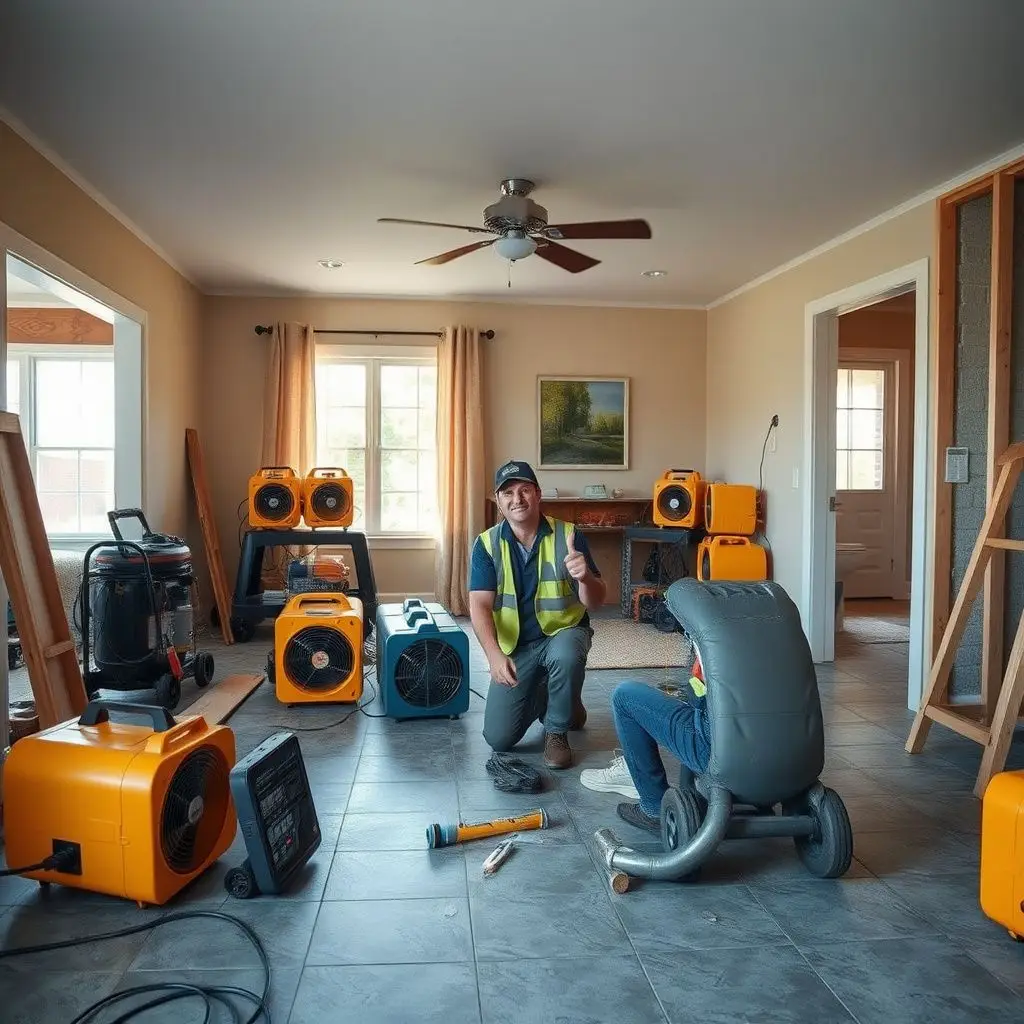
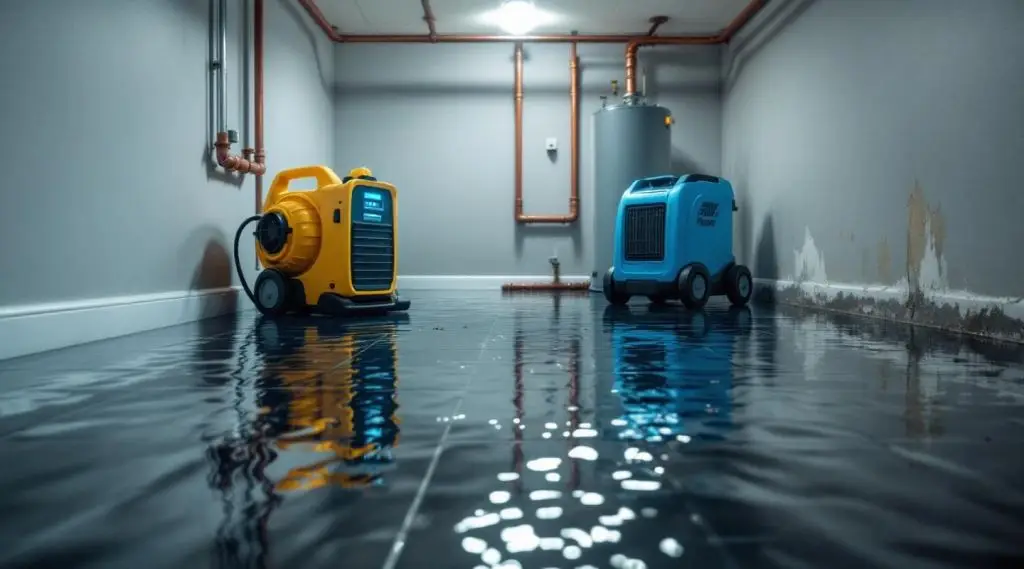
We specialize in the complex challenges of Thunderbolt’s housing stock, which is dominated by older wood-frame and pier-and-beam construction. These structures are particularly vulnerable to subfloor rot and hardwood floor buckling when moisture is trapped in crawl spaces. Our experienced crew utilizes industrial-grade dehumidifiers and high-velocity air movers to achieve structural drying that meets IICRC standards. We don’t just remove the visible water; we map the hidden moisture migrating through your framing and sill plates to ensure your property is truly stabilized.
Saltwater intrusion introduces a corrosive element that freshwater flooding doesn’t, often damaging electrical panels and HVAC systems far beyond the visible waterline. Whether you are dealing with a burst galvanized pipe in a mid-century home or a massive sewage backup cleanup near the marina, we provide the technical precision required to save your property. We work closely with homeowners to navigate the complexities of insurance claims, helping clarify the often-confusing distinctions between rainwater intrusion and storm surge coverage to ensure your recovery stays on track.
| Monday | 8:00 AM – 8:00 PM |
|---|---|
| Tuesday | 8:00 AM – 8:00 PM |
| Wednesday | 8:00 AM – 8:00 PM |
| Thursday | 8:00 AM – 8:00 PM |
| Friday | 8:00 AM – 8:00 PM |
| Saturday | 8:00 AM – 8:00 PM |
| Sunday | 8:00 AM – 8:00 PM |
In a coastal environment like Thunderbolt, the difference between a successful restoration and a recurring mold problem lies in technical expertise. We don’t just extract water; we manage the entire environment of the affected area. Because saltwater is hygroscopic—meaning it continues to pull moisture from the air even after the visible water is gone—we use specialized cleaning agents to neutralize salt residues that would otherwise cause ongoing saltwater corrosion to your home’s structural fasteners and electrical systems.
Our team is deeply familiar with the specific building codes enforced by Chatham County Development Services, ensuring that all structural repairs and moisture barriers meet local standards. We prioritize rapid response because we know that Thunderbolt’s older pier-and-beam homes can suffer subfloor rot very quickly if water is left to sit in the crawl space. By combining local knowledge with IICRC-certified drying protocols, we provide a level of security that generic cleaning services simply cannot match.
Restoring a property in Thunderbolt requires more than just a shop-vac and a few fans. The town’s low-lying topography and proximity to the Intracoastal Waterway mean that flooding can arrive from multiple directions—overland runoff during heavy Chatham County rains and tidal backflow from the river. We provide a full spectrum of restoration services tailored to these specific coastal conditions, ensuring that every repair complies with local building codes and permitting requirements.
From the historic residences along River Drive to the commercial marinas that drive our local economy, we address the specific pain points of Thunderbolt property owners. This includes specialized crawl space moisture control for pier-and-beam homes that lack adequate vapor barriers, as well as rapid-response drying for commercial assets to minimize business interruption. Our goal is to provide a scientific, data-driven approach to restoration that accounts for the extreme humidity and salt air of our coastal environment.

When you walk into a kitchen flooded by a failed supply line or a sudden ceiling leak, the sense of overwhelm is immediate.
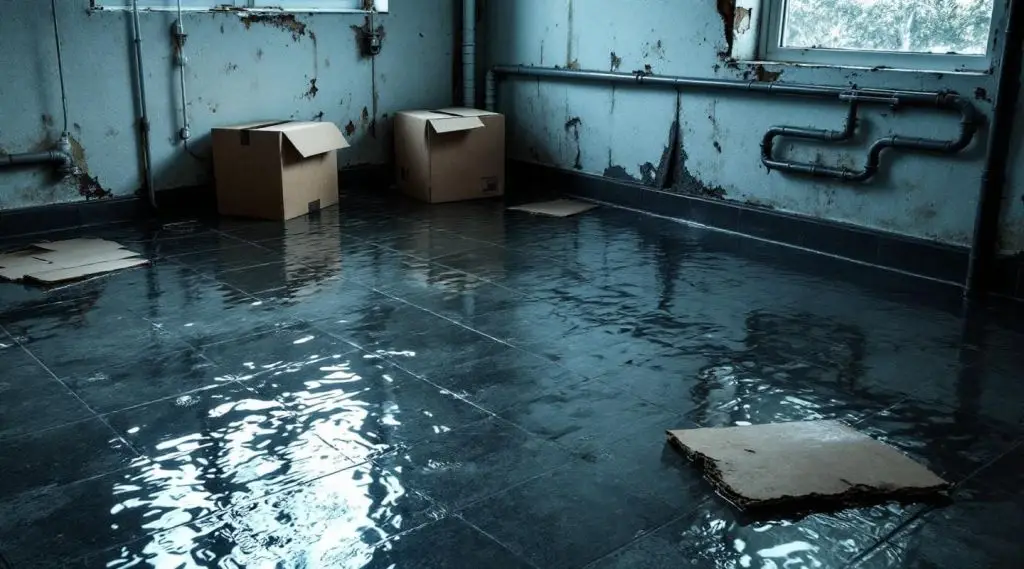
Discovering standing water in your basement is a high-stress event that demands immediate action, especially given Savannah’s low-lying coastal geography and notoriously high water table.
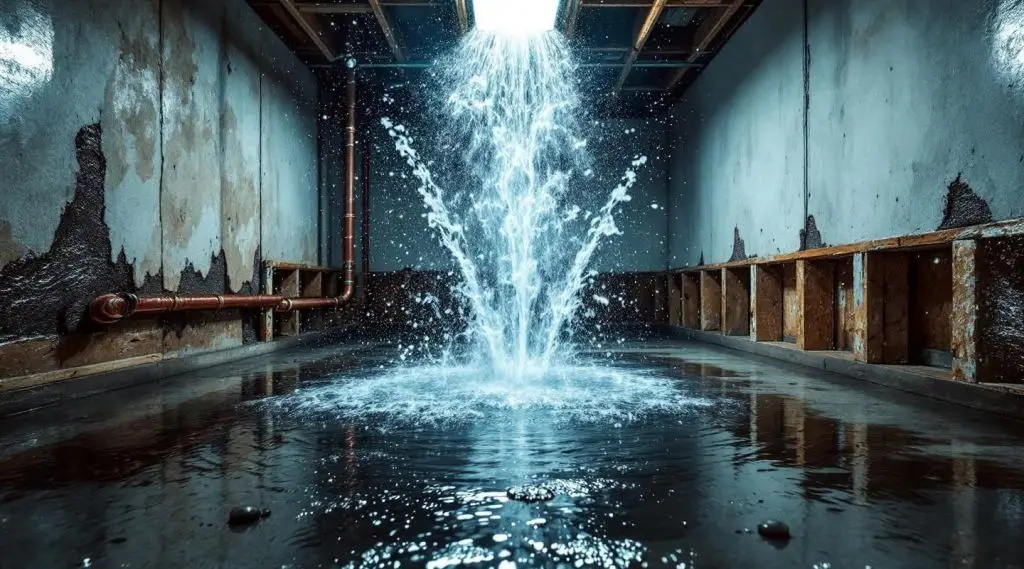
Walking into your home to find a hallway turned into a river is a nightmare no homeowner wants to face.
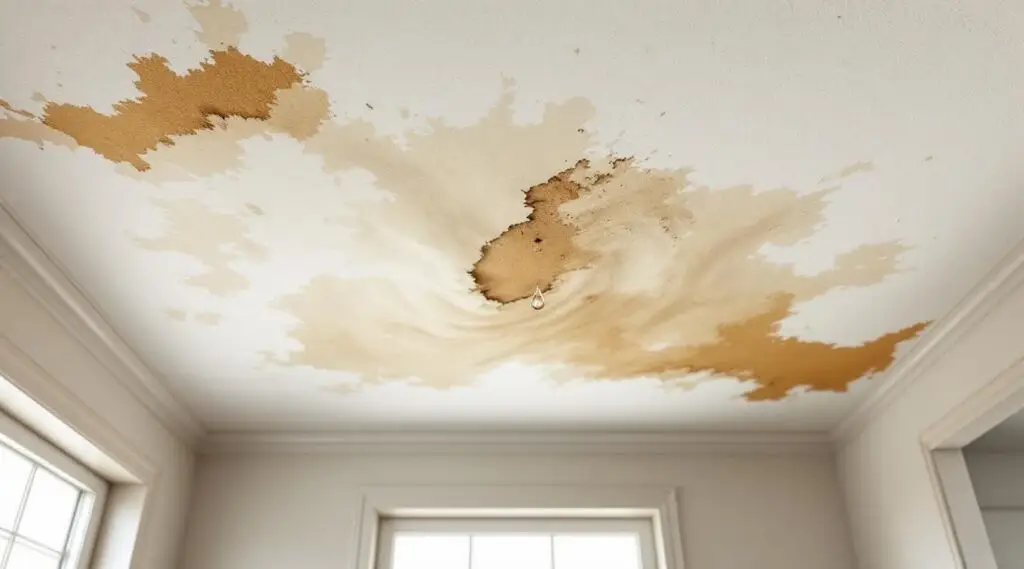
Finding a dark, spreading stain on your ceiling or watching drywall begin to sag after a heavy Savannah thunderstorm is more than a cosmetic nuisance.
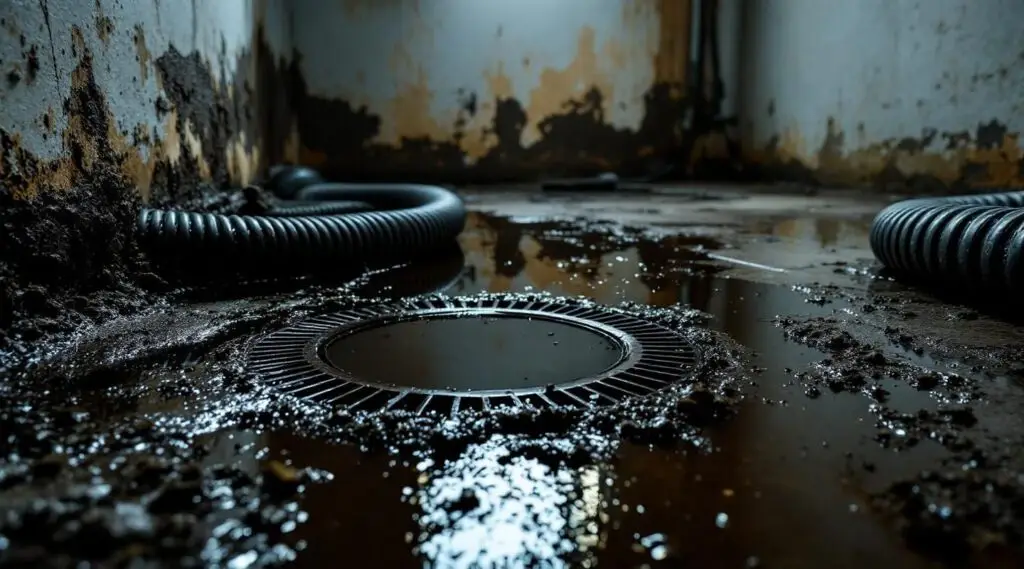
Walking into a home where a sewer line has failed is a visceral experience that goes far beyond a simple plumbing leak.
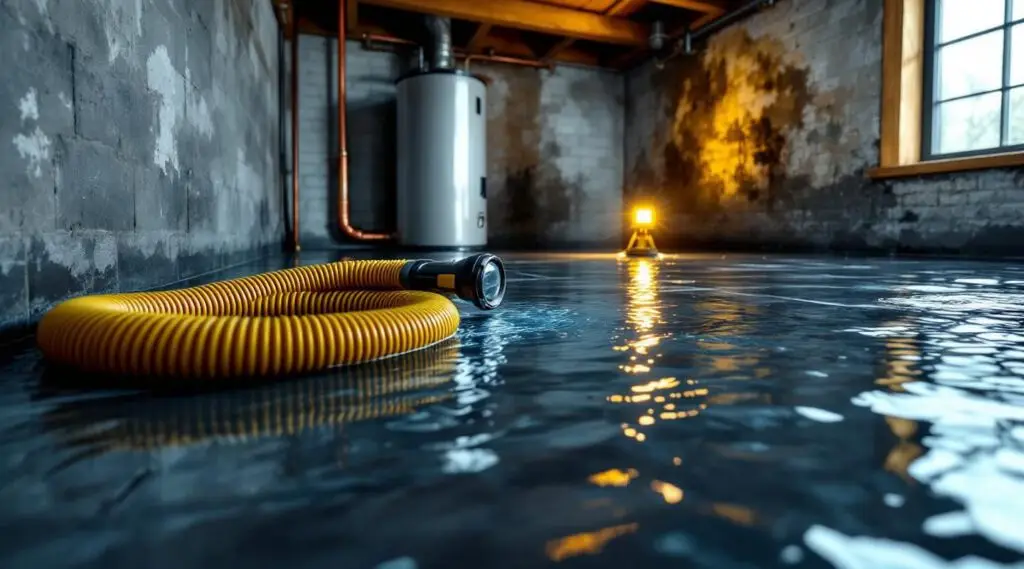
When water enters your Savannah home, the clock starts ticking against your property’s structural integrity.
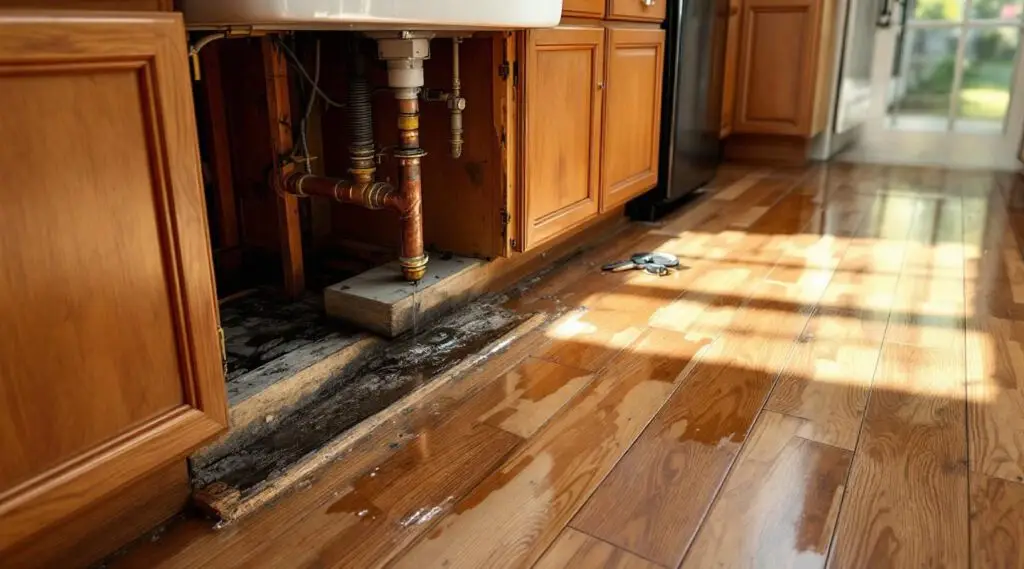
A kitchen leak rarely stays confined to the cabinet where it started.
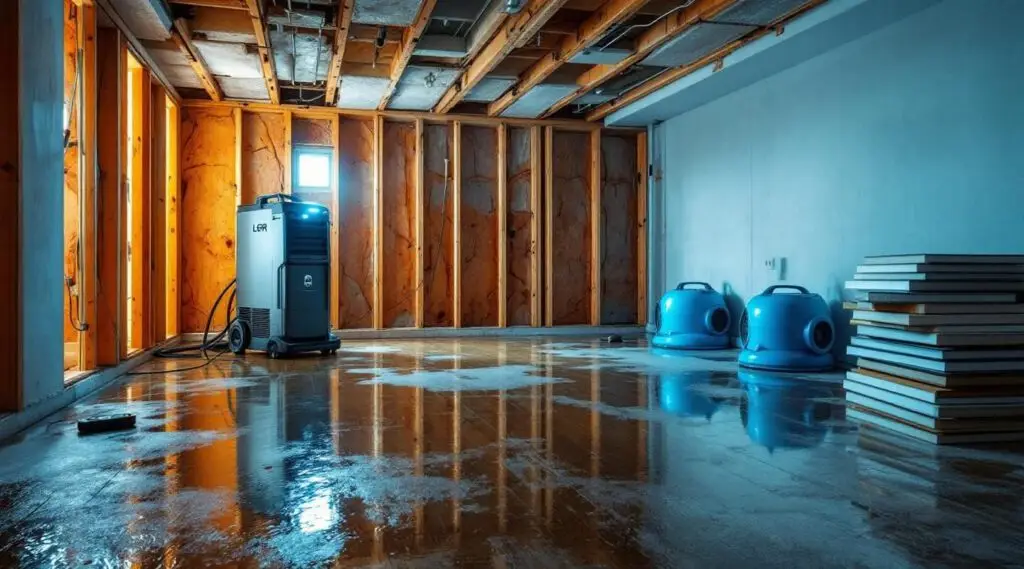
Our San Diego team provides immediate, 24/7 emergency response to extract standing water and implement advanced structural drying techniques that protect your family’s home from mold and long-term structural compromise.
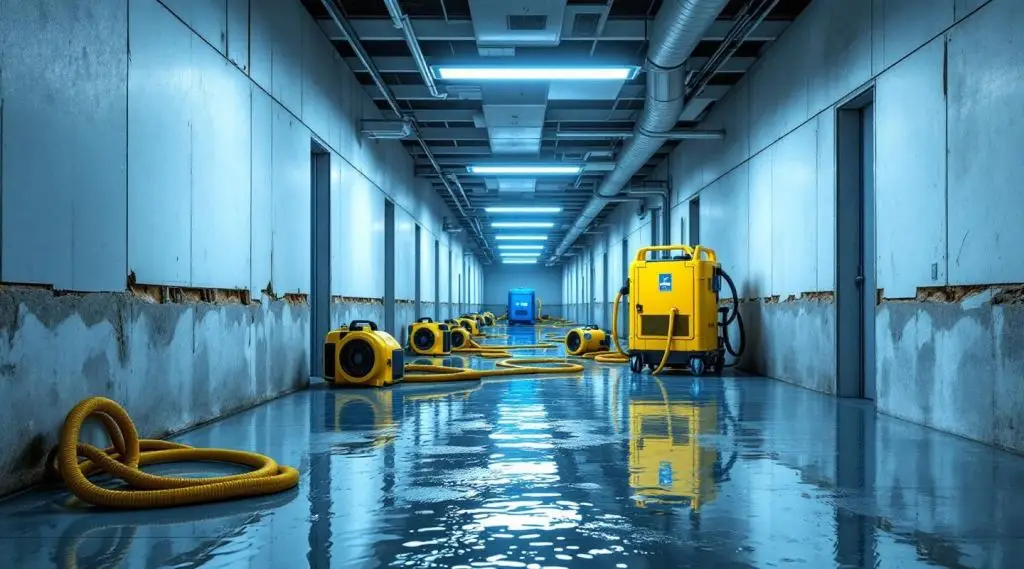
Our specialized team provides immediate 24/7 emergency response for San Diego commercial properties, utilizing advanced moisture detection and high-capacity extraction tools to eliminate standing water and prevent costly business interruptions.
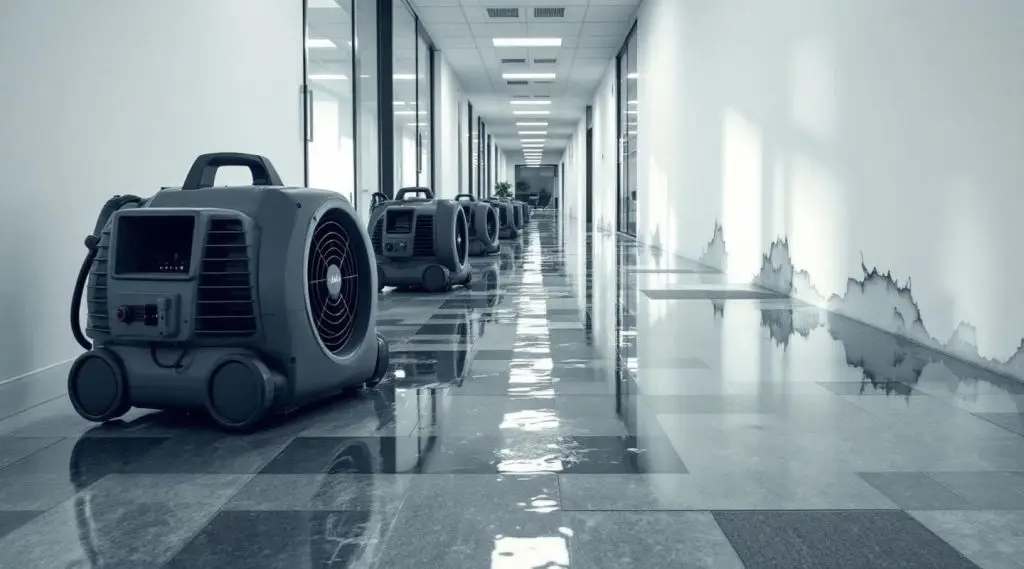
When a building envelope breach or a pressurized pipe burst occurs in a Savannah office complex, the clock starts ticking against your bottom line.
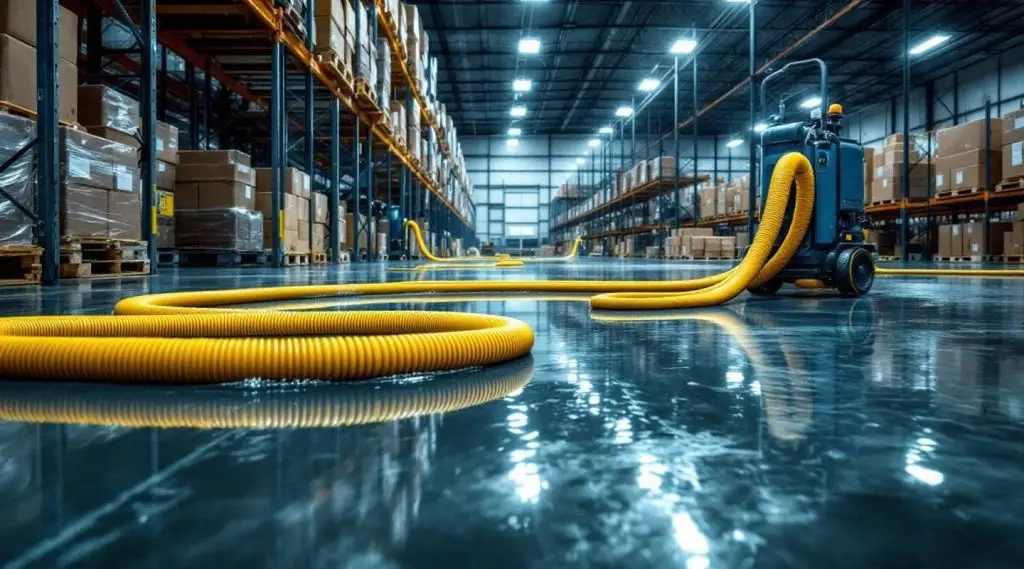
When a main fire suppression line bursts or a coastal Savannah storm pushes floodwater through your loading docks, the clock starts ticking against your bottom line.
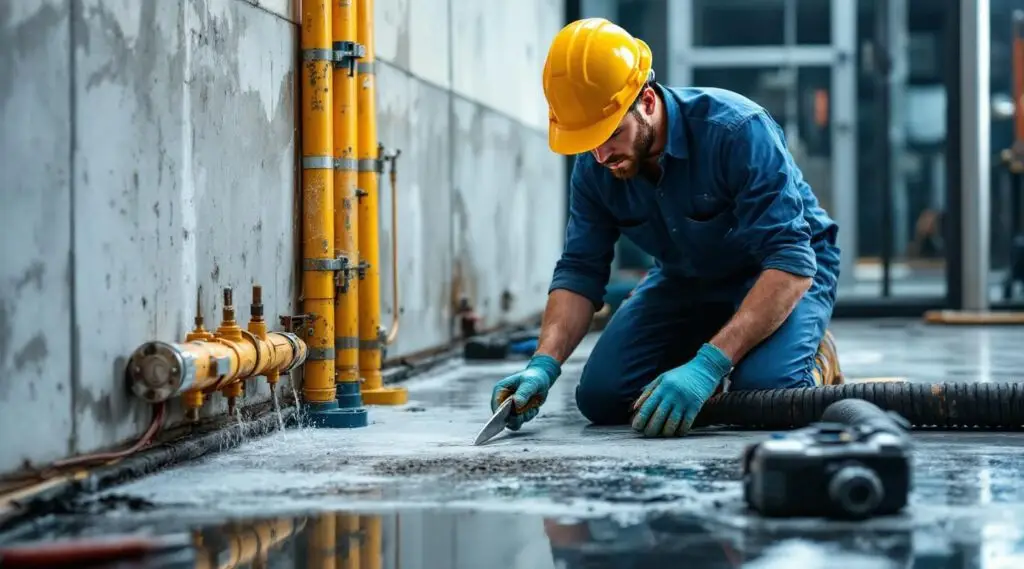
When a vertical riser pipe bursts or a heavy Savannah thunderstorm overwhelms a roof, your property doesn't just face a maintenance issue; it faces a direct threat to its brand reputation.
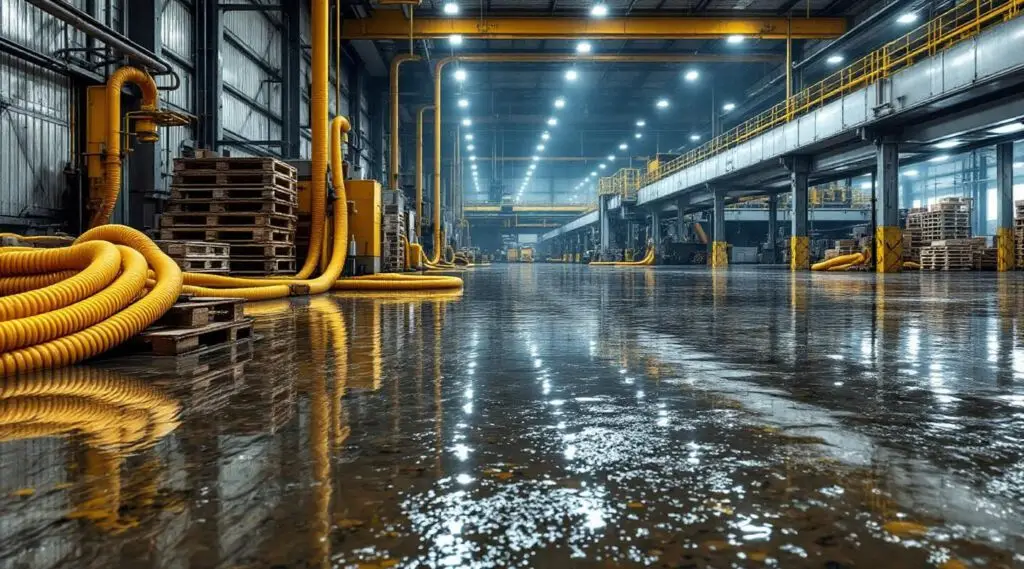
Savannah’s industrial landscape, stretching from the logistics hubs near the Port to the manufacturing corridors of Chatham County, faces a unique set of water-related risks.
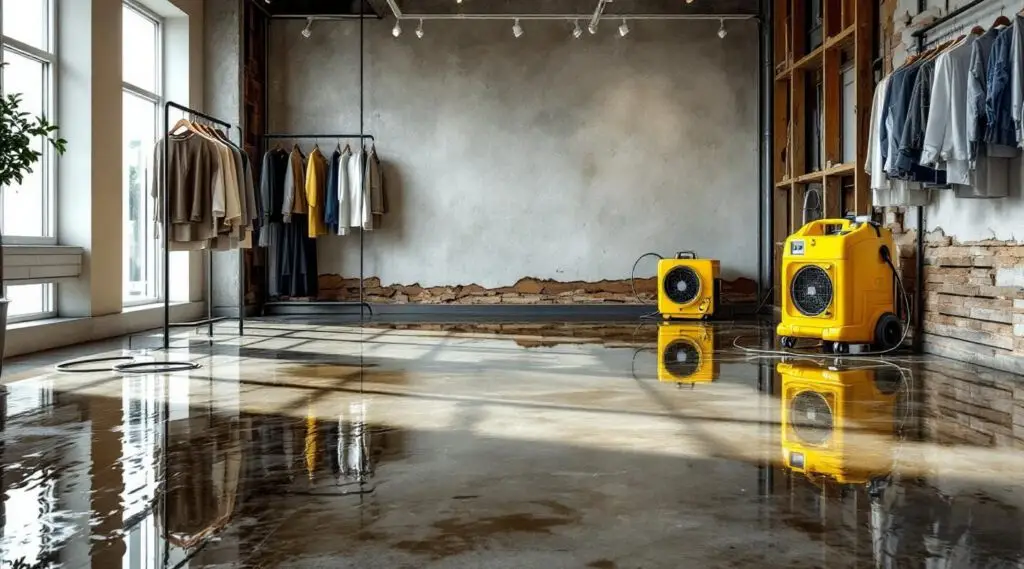
When a water main snaps or a coastal storm surges into your storefront, the clock starts ticking against your inventory and your bottom line.
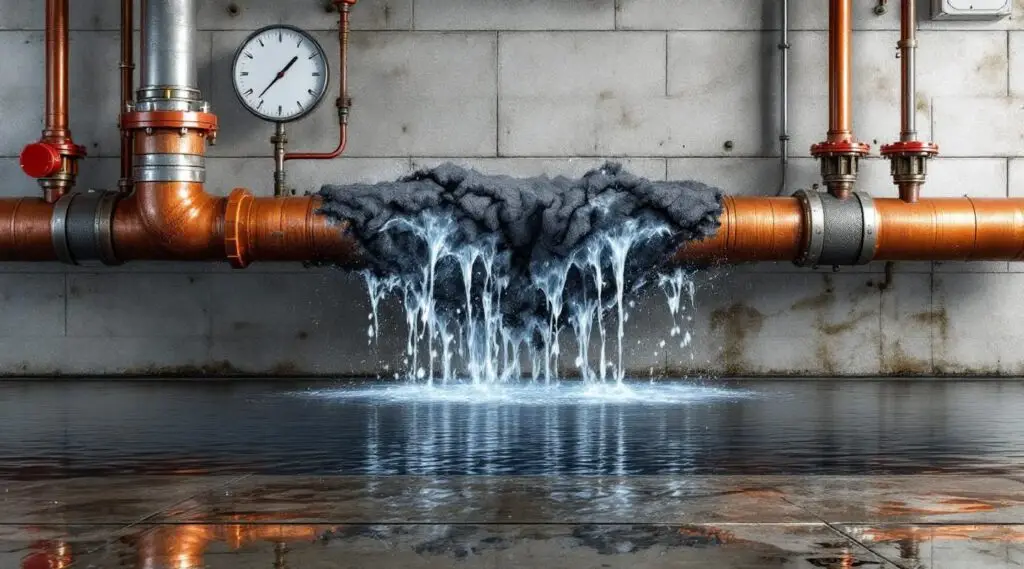
A pressurized pipe failure in a commercial setting is never just a simple leak; it is a high-stakes race against the clock to prevent a building envelope breach from compromising your entire operation.
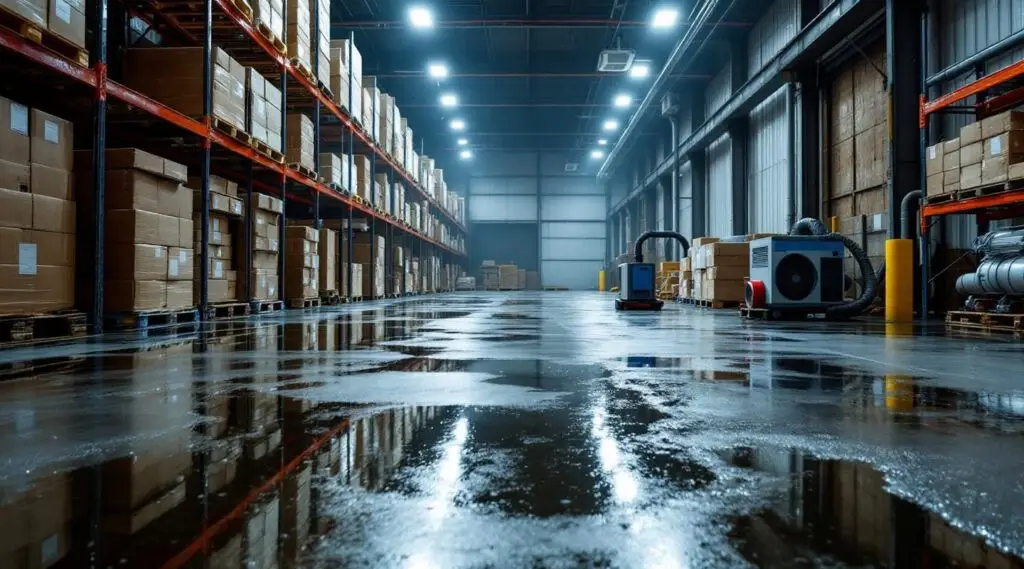
Our specialized team delivers rapid water extraction and industrial-grade structural drying to protect your inventory and restore your San Diego commercial facility to full operation after a flood.
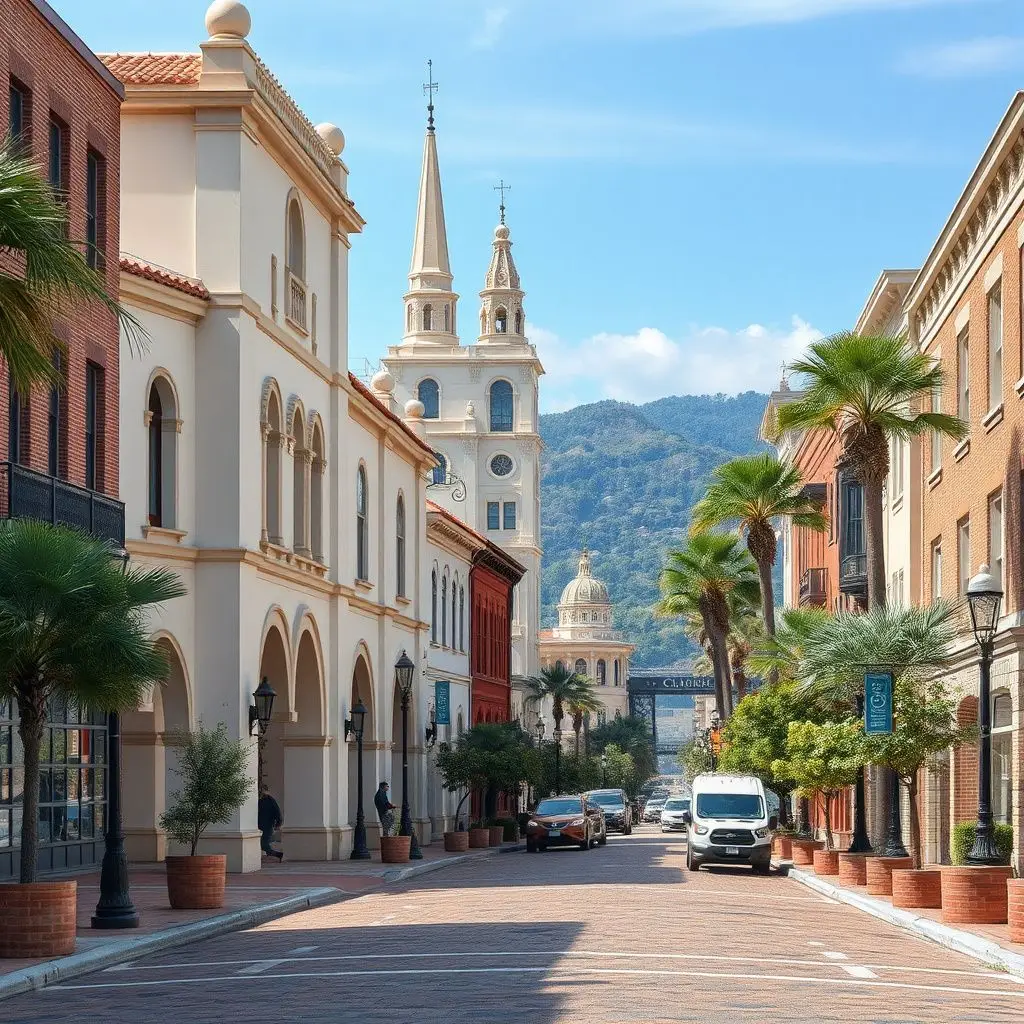
Mason Restoration, LLC is deeply rooted in the Savannah area, providing expert mitigation services from our base near 7505 Waters Avenue. We understand that Thunderbolt residents aren’t just looking for a contractor; they need a partner who knows how the local tides and humidity levels affect building materials. Our team is trained in the specific nuances of saltwater damage, which requires a different cleaning protocol than standard freshwater leaks to prevent long-term metal corrosion and mineral deposits.
By maintaining a focused presence in the area, we are able to offer the sub-60-minute response times that are critical during seasonal storm clusters. We take pride in our technical proficiency, holding IICRC certifications that ensure our drying processes are backed by science rather than guesswork. Whether you are in a historic cottage or a modern riverfront development, we bring the same level of precision and local expertise to every job. Explore all service areas we cover to see how we support the broader Chatham County community.
Thunderbolt’s history is inextricably linked to the Wilmington River. Legend has it the town earned its name when a lightning bolt struck the ground, creating a freshwater spring that Native Americans believed had medicinal properties. By the 19th century, it had evolved into a vital hub for the shrimping and oyster industries. This maritime heritage is still visible today in the layout of the town and the functional, sturdy architecture of the older homes that line the waterfront, many of which were built on pier-and-beam foundations to withstand the rising tides.
The visual feel of Thunderbolt is one of quiet, coastal elegance mixed with a working-class riverfront soul. The town serves as a picturesque waypoint for boaters traveling the Atlantic Intracoastal Waterway, and the local marinas are often the first sight for visitors arriving by water. The combination of salt air, high humidity, and the occasional tropical storm flooding has shaped the way homes are built and maintained here, requiring a specialized knowledge of how wood and masonry react to a brackish environment.
Today, Thunderbolt remains a tight-knit community that balances its historic roots with modern coastal living. The preservation of its mid-century and historic housing stock is a priority for residents, who face the ongoing challenge of protecting these structures from the corrosive effects of saltwater and the persistent moisture of the Georgia coast. Maintaining the integrity of these buildings ensures that Thunderbolt’s unique story continues for future generations of riverfront dwellers.
Thunderbolt is a town defined by its relationship with the water. Originally a fishing and shrimping village, it has retained its maritime character even as it has grown into a sought-after residential community just minutes from Savannah. The sight of shrimp boats docked along the Wilmington River and the Spanish moss-draped oaks along River Drive create a visual landscape that is unmistakably Lowcountry. This proximity to the water is our greatest asset, but it also necessitates a high level of vigilance regarding property maintenance and flood preparedness.
The community’s history is preserved in its architecture and local institutions, from the historic Thunderbolt Museum to the bustling marinas that serve as gateways to the Intracoastal Waterway. Living here means understanding the rhythm of the tides and the importance of protecting our historic wood-frame homes from the relentless coastal elements. We are proud to help preserve this unique character by providing the back to home restoration services that keep Thunderbolt’s properties resilient against the forces of nature.
Thunderbolt Museum – A local museum dedicated to preserving the history of the town's shrimping and fishing industries.
Thunderbolt Marine – A world-class yacht repair facility that highlights the town's deep connection to the maritime industry.
W.W. Law Center – A nearby cultural landmark that provides insight into the regional history of the Savannah and Thunderbolt area.
River Drive – The scenic main thoroughfare of Thunderbolt, offering stunning views of the Wilmington River and historic shrimp boats.
At Mason Restoration, LLC, our promise to the Thunderbolt community is built on technical accountability and clear communication. We understand that water damage is a high-stress event, and the last thing you need is uncertainty. We provide daily moisture readings and progress reports so you know exactly how the drying process is advancing. Our technicians use calibrated equipment to prove your property is dry, ensuring that we never pull our equipment until the job is scientifically complete.
We also promise to treat your property with the specific care required for our coastal environment. This means using botanical antimicrobials that are safe for your family but effective against the aggressive mold strains found in Georgia’s high humidity. We stand by our work with a commitment to getting it right the first time, preventing the secondary damage that often follows a poorly executed restoration. When you call us to your Thunderbolt home or business, you are getting a team that values precision, local integrity, and the long-term health of your property.
Below are common questions:
In Thunderbolt, GA, a rapid response is vital due to the high humidity and risk of saltwater corrosion. Mason Restoration, LLC typically arrives on-site within 60 minutes of your call. This fast action is critical for water damage restoration in Thunderbolt GA because it allows us to begin water extraction before mold begins to colonize, which can happen in as little as 24 hours in our coastal climate.
Standard homeowners insurance policies often distinguish between ‘sudden and accidental’ water damage, like a burst pipe, and ‘flood’ damage caused by rising water or storm surge. For properties near the Wilmington River, having a separate policy through the FEMA National Flood Insurance Program is often necessary. We assist with water damage restoration in Thunderbolt GA by providing detailed documentation and moisture mapping to help you navigate the claims process with your provider.
Crawl space flooding in Thunderbolt GA is frequently caused by a combination of low-lying topography and the lack of modern vapor barriers in older pier-and-beam homes. During heavy rains or high tides, water can seep into these spaces, leading to humidity-driven mold and structural rot. Our water damage restoration in Thunderbolt GA includes specialized crawl space drying and moisture mitigation to protect your home’s subfloor and foundation from long-term damage.
Whether hardwood floors can be saved depends on the type of water and the duration of exposure. Saltwater from a storm surge causes hardwood floor buckling much faster than freshwater. For water damage restoration in Thunderbolt GA, we use specialized floor-drying mats and high-capacity dehumidifiers to pull moisture from the wood. If we can begin the drying process within the first 24 hours, there is a much higher chance of saving the original flooring.
Their workers dried out our walls and ceilings quickly and showed us how to fix the flood damage step by step.
MOVIL CUATRO
We loved how soon they got back to us and how well they looked at the water damage in our kitchen and the rooms around it.
Lela Wenner
They helped us file a claim for water damage with our insurance carrier, which made it quick and stress-free.
Ginger Nguyen
My basement flooded after a big rain, and it quickly became too much for me to handle. The restoration company I called did everything in a very orderly way. They first got rid of the standing water, and then they worked on drying the soil completely. I liked how they used tools to find wet spots that I wouldn't have seen. The workers were polite when they came to my house and worked quickly but not too quickly. They also talked a lot about how important it is to stop mold, which made me trust their plan. From start to finish, it felt like a professional job.
Dina McKeen
The water in our basement was gone before it could do any real damage because they got there so fast.
Sandra Sullivan