Mason Restoration, LLC provides water damage restoration services for residential and commercial properties in Savannah, GA.
Mason Restoration, LLC provides water damage restoration services for residential and commercial properties in Savannah, GA.
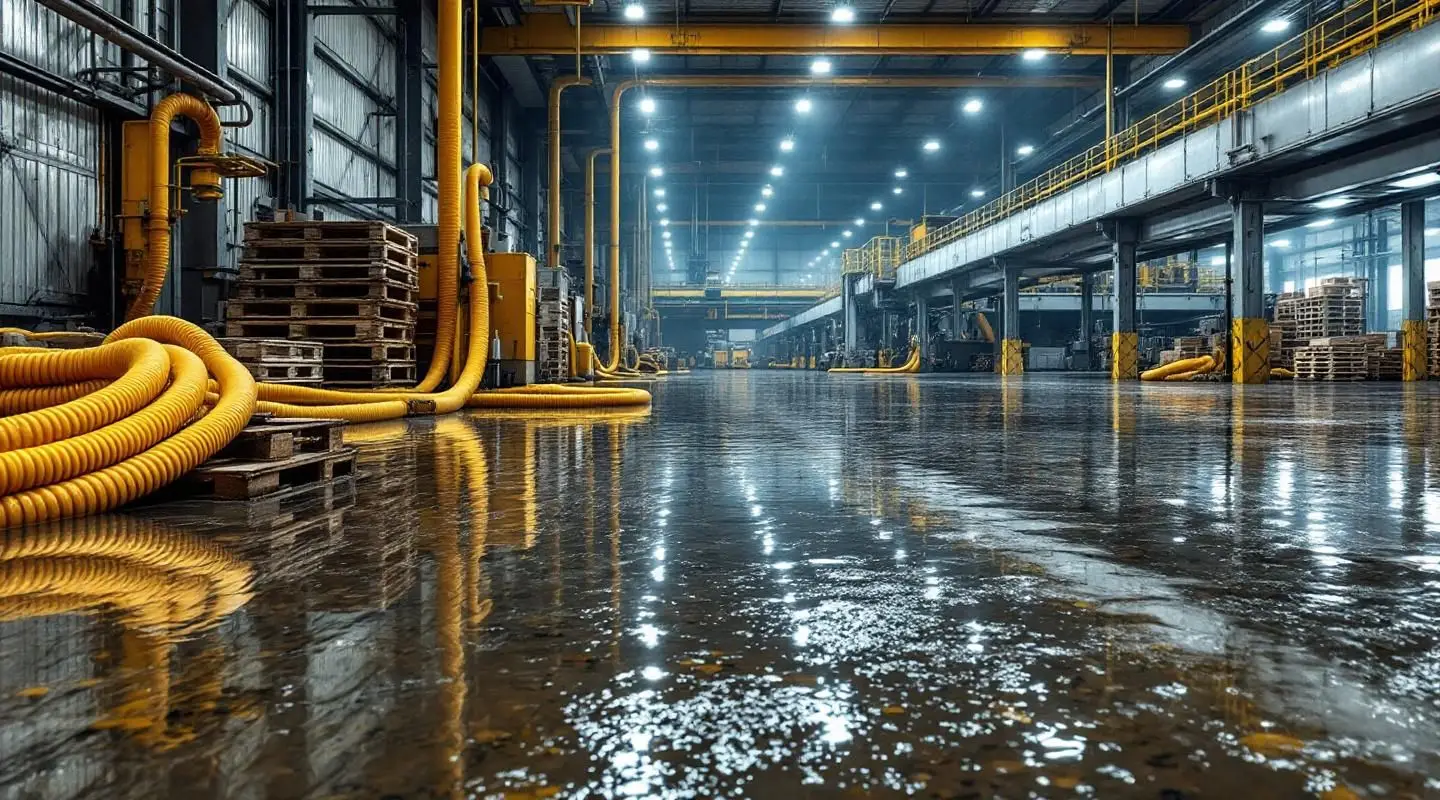
Savannah’s industrial landscape, stretching from the logistics hubs near the Port to the manufacturing corridors of Chatham County, faces a unique set of water-related risks. When a facility floods, whether from a coastal storm surge or a massive pipe failure in a warehouse, the scale of the damage requires more than just a few pumps. You are dealing with thousands of square feet of saturated concrete slabs and high-value inventory that cannot wait for a residential crew to find their footing. At Mason Restoration, LLC, we specialize in industrial water extraction designed to stabilize large-scale environments before secondary damage takes hold.
Our approach to commercial flood response is grounded in the IICRC S500 standard, ensuring that every gallon of Category 3 water is handled with the appropriate hazmat protocols. We don’t just pull out the standing water; we implement a rigorous structural drying protocol that accounts for the massive air volumes found in industrial spaces. By using desiccant dehumidification, we can combat Savannah’s oppressive 70% humidity, pulling moisture out of the air and the building materials far faster than standard refrigerant units. This technical precision is what keeps your facility from becoming a breeding ground for mold within the first 48 hours.
Every hour your facility sits idle is a direct hit to your revenue. We understand that procurement teams and facility managers need more than just a cleanup crew; they need a partner who provides the psychrometric monitoring and moisture mapping documentation required by insurance adjusters. Our team arrives ready to coordinate with your on-site staff, ensuring that we minimize the footprint of our equipment so your operations can resume as quickly as possible. From loading dock water removal to complex warehouse flood recovery, we focus on the details that prevent long-term structural failure.
The primary benefit of professional industrial flood cleanup is the aggressive mitigation of business downtime. When your facility in Savannah takes on water—whether from a coastal storm surge or a massive pipe failure—the clock starts ticking against your inventory and structural integrity. We don’t just pump out the standing water; we use high-capacity industrial water extraction to pull moisture from deep within concrete slabs and heavy-duty racking systems. This speed is critical because Savannah’s high humidity can easily push a Category 1 clean-water event into a hazardous Category 3 situation within a day or two if the environment isn’t stabilized quickly.
By choosing a specialized commercial response, you ensure that your drying protocol follows the IICRC S500 standard, which is exactly what your insurance adjuster expects to see. We use desiccant dehumidification to combat the local 70% ambient humidity, pulling moisture out of the air much faster than standard refrigerant units. This precision prevents secondary damage like mold colonization or the warping of expensive warehouse flooring. If you are curious about how we handle these large-scale projects, you can learn more about our company and our specialized equipment fleet. Our goal is to get your loading docks and production lines back in service before the revenue loss becomes permanent.
Rapid stabilization of the indoor environment to prevent mold growth in Savannah's humid climate.
High-volume industrial water extraction that handles large square footage faster than residential gear.
Detailed moisture mapping and psychrometric monitoring to prove the facility is truly dry for insurance purposes.
Use of desiccant dehumidifiers specifically designed for large-loss drying in warehouses and manufacturing plants.
Mitigation of long-term structural issues like concrete slab saturation and metal racking corrosion.
Coordination with insurance carriers to provide the documentation needed for complex commercial claims.
When your warehouse or manufacturing floor takes on water, every minute is a hit to your bottom line. We prioritize rapid commercial flood response because we know Savannah’s humidity doesn’t wait to start the mold clock. Our team typically mobilizes within hours to begin industrial water extraction, especially for facilities near the Port of Savannah where logistics cannot stop. We arrive with high-capacity pumps and moisture mapping tools to stop the spread before it hits your inventory. If you need to know more about our rapid response capabilities, you can read about our company and our specialized equipment.
In the restoration world, “Category 1” is clean water from a supply line, while “Category 3” is highly contaminated—think sewage-contaminated water or coastal storm surge from the Atlantic. For a Savannah business, a Category 3 event requires strict hazmat protocols and antimicrobial treatments to ensure the space is safe for employees. You cannot simply dry out Category 3 water; you must sanitize the entire environment according to the IICRC S500 standard. This often involves removing porous materials like drywall or insulation that have soaked up pathogens. For more information on local flood zones and safety, the Chatham County Flood Information portal provides excellent resources on regional risks.
Drying a 50,000-square-foot warehouse is a different beast than a residential basement. Most large-loss drying projects take between three to seven days, depending on the materials involved. Concrete slab drying is particularly stubborn in our subtropical climate. We use desiccant dehumidification to pull moisture from the air more aggressively than standard units can. By maintaining a strict structural drying protocol and using psychrometric monitoring, we track exactly how much water is leaving your facility each day. If your facility has specialized equipment or sensitive inventory, we adjust our air mover placement to ensure Industrial Flood Cleanup reaches every corner without causing secondary issues.
Most commercial policies cover “sudden and accidental” water damage, such as a pipe burst or a water heater failure. However, damage from a coastal storm surge often requires a separate flood insurance policy. We work directly with your adjusters to provide the detailed moisture mapping and drying logs they require to process a claim. Because Savannah sits in a high-risk coastal zone, the documentation we provide is vital for proving the scope of work. We follow the IICRC S500 standard to ensure every step of the Industrial Flood Cleanup is defensible during an audit. This transparency helps prevent the “scope creep” that often worries procurement teams during a recovery.
We understand that shutting down an entire plant is rarely an option. In many cases, we can set up containment barriers to isolate the flooded zone while the rest of your facility remains operational. Our technicians use high-CFM air movers and desiccant dehumidifiers that are strategically placed to minimize noise and footprint. We coordinate with your facility manager to ensure our industrial water extraction doesn’t block critical loading docks or safety exits. By focusing on aggressive moisture mapping, we identify the exact boundaries of the damage, allowing you to keep your crew working in the “dry zones” while we handle the Industrial Flood Cleanup in Savannah.
Don’t let standing water compromise your facility’s integrity or your production deadlines. Our Savannah-based experienced technicians are ready to deploy high-capacity desiccant dehumidification and moisture mapping tools the moment you call. We understand that in an industrial setting, “dry enough” doesn’t exist—only the IICRC S500 standard matters for protecting your equipment and concrete slab.
Whether you are dealing with a Category 3 storm surge or a massive supply line failure, we provide the rigorous documentation and large-loss drying capacity required to satisfy your insurance adjuster. Contact Mason Restoration, LLC now to stabilize your facility and get your crew back to work.
Ignoring the complexities of a flooded industrial facility can lead to catastrophic long-term consequences. In a city like Savannah, where coastal storm surge and heavy rainfall frequently overwhelm aging drainage systems, a “wait and see” approach is a recipe for total asset loss. When Category 3 water—contaminated by sewage or salt—enters your warehouse or manufacturing floor, the clock starts ticking on structural integrity. You aren’t just dealing with wet floors; you’re facing a biological and chemical event that can colonize your facility with mold in under 48 hours. Every hour your operations remain halted translates to missed production deadlines and hemorrhaging revenue.
Standard residential-grade equipment is useless against the vast square footage of a Savannah port logistics hub or a multi-story commercial complex. You need high-capacity industrial water extraction and desiccant dehumidification to combat our local 70% humidity levels. Without professional-grade moisture mapping, water remains trapped inside insulated panels and deep within concrete slabs. If these areas aren’t dried according to the IICRC S500 standard, the moisture will eventually wick back to the surface, bubbling expensive industrial coatings and compromising racking systems. Our experienced technicians understand that large-loss drying requires a specific psychrometric protocol to ensure the building is truly stable.
Beyond the physical cleanup, the documentation required for commercial property insurance is a massive hurdle for unprepared facility managers. A surface-level mop-up won’t satisfy a third-party adjuster looking for detailed drying logs and thermal imaging reports. You need a partner who provides the forensic proof that your facility is safe for re-occupancy. In Georgia, choosing a licensed contractor isn’t just a preference; it’s a safeguard for your liability. We handle the heavy lifting of structural drying and contaminated water remediation so you can focus on getting your crew back to work without fearing hidden secondary damage or failed inspections.
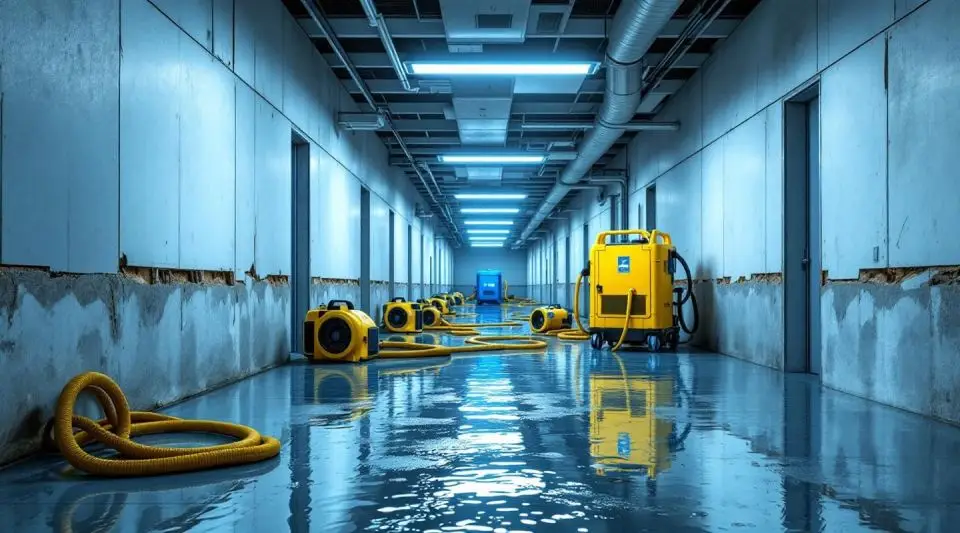
Our specialized team provides immediate 24/7 emergency response for San Diego commercial properties, utilizing advanced moisture detection and high-capacity extraction tools to eliminate standing water and prevent costly business interruptions.
Learn more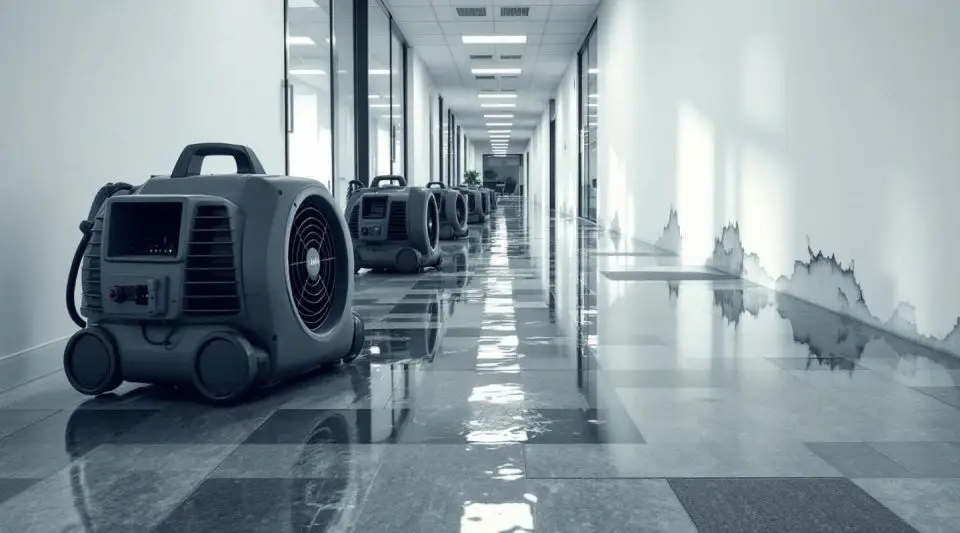
When a building envelope breach or a pressurized pipe burst occurs in a Savannah office complex, the clock starts ticking against your bottom line.
Learn more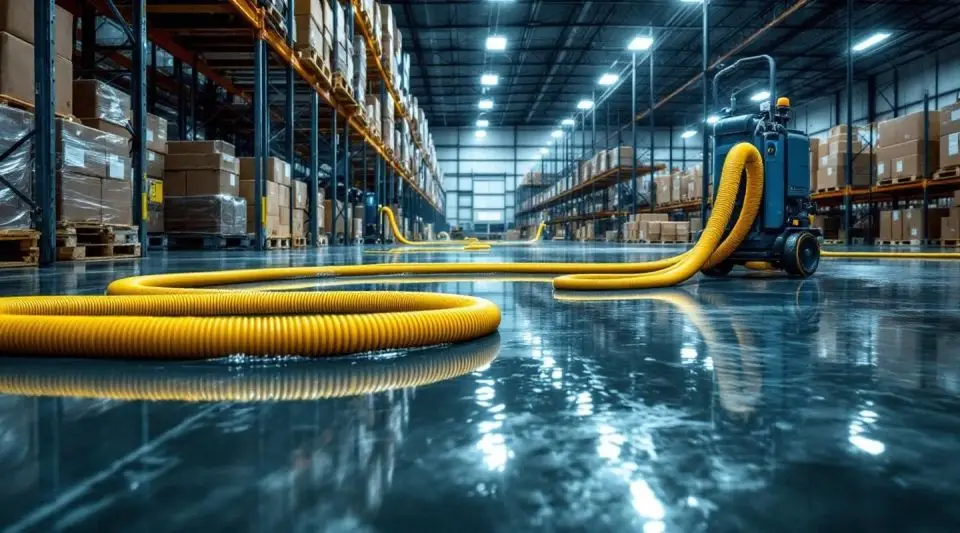
When a main fire suppression line bursts or a coastal Savannah storm pushes floodwater through your loading docks, the clock starts ticking against your bottom line.
Learn more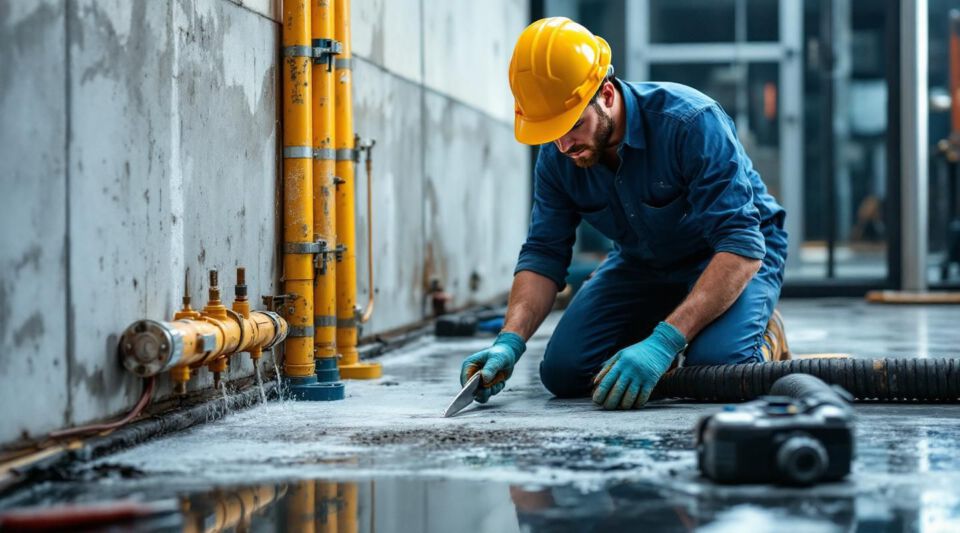
When a vertical riser pipe bursts or a heavy Savannah thunderstorm overwhelms a roof, your property doesn't just face a maintenance issue; it faces a direct threat to its brand reputation.
Learn more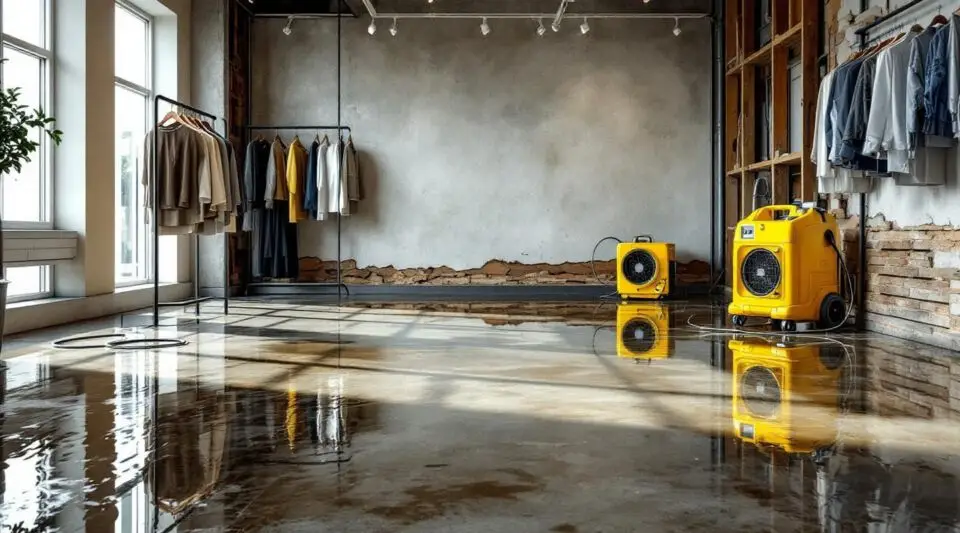
When a water main snaps or a coastal storm surges into your storefront, the clock starts ticking against your inventory and your bottom line.
Learn more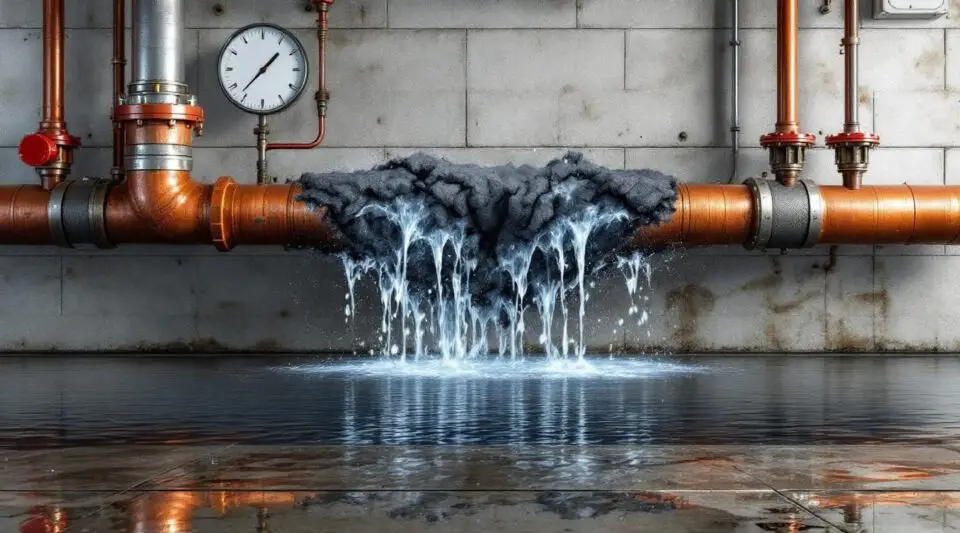
A pressurized pipe failure in a commercial setting is never just a simple leak; it is a high-stakes race against the clock to prevent a building envelope breach from compromising your entire operation.
Learn more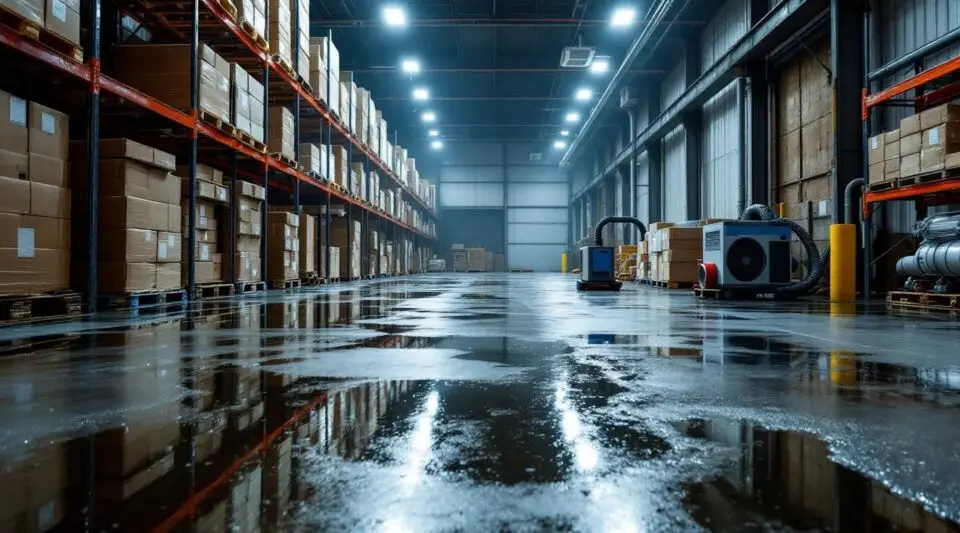
Our specialized team delivers rapid water extraction and industrial-grade structural drying to protect your inventory and restore your San Diego commercial facility to full operation after a flood.
Learn moreWe loved how soon they got back to us and how well they looked at the water damage in our kitchen and the rooms around it.
Lela Wenner
My basement flooded after a big rain, and it quickly became too much for me to handle. The restoration company I called did everything in a very orderly way. They first got rid of the standing water, and then they worked on drying the soil completely. I liked how they used tools to find wet spots that I wouldn't have seen. The workers were polite when they came to my house and worked quickly but not too quickly. They also talked a lot about how important it is to stop mold, which made me trust their plan. From start to finish, it felt like a professional job.
Dina McKeen
They helped us file a claim for water damage with our insurance carrier, which made it quick and stress-free.
Ginger Nguyen
The water in our basement was gone before it could do any real damage because they got there so fast.
Sandra Sullivan
Their workers dried out our walls and ceilings quickly and showed us how to fix the flood damage step by step.
MOVIL CUATRO