Mason Restoration, LLC provides water damage restoration services for residential and commercial properties in Savannah, GA.
Mason Restoration, LLC provides water damage restoration services for residential and commercial properties in Savannah, GA.
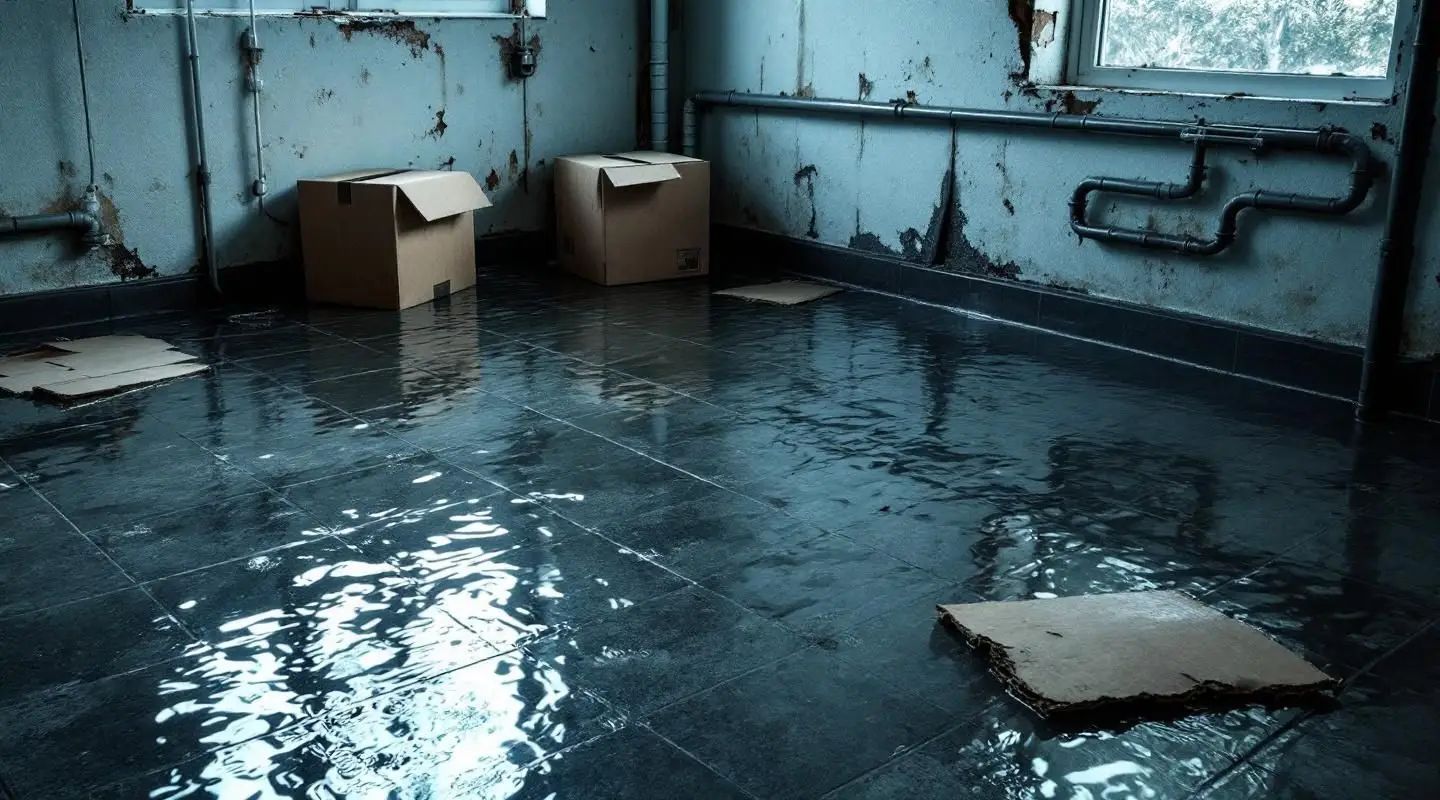
Discovering standing water in your basement is a high-stress event that demands immediate action, especially given Savannah’s low-lying coastal geography and notoriously high water table. When heavy tropical rains or seasonal storms saturate the soil around your foundation, hydrostatic pressure can force moisture through concrete block seepage points or the rubble-stone foundations common in our historic district. You aren’t just dealing with a puddle; you’re facing a structural threat that requires professional intervention to prevent long-term rot, masonry degradation, and the rapid onset of microbial growth.
Whether your crisis was sparked by a sudden sump pump failure or a more hazardous sewage contamination event, the clock is ticking against your property’s integrity. In Georgia’s humid subtropical climate, ambient humidity levels are already high, meaning mold spores can colonize wet drywall and organic materials in as little as 24 to 48 hours. Our team focuses on aggressive standing water extraction followed by precision dehumidification to stabilize the environment before secondary damage can compromise your floor joists or stored belongings.
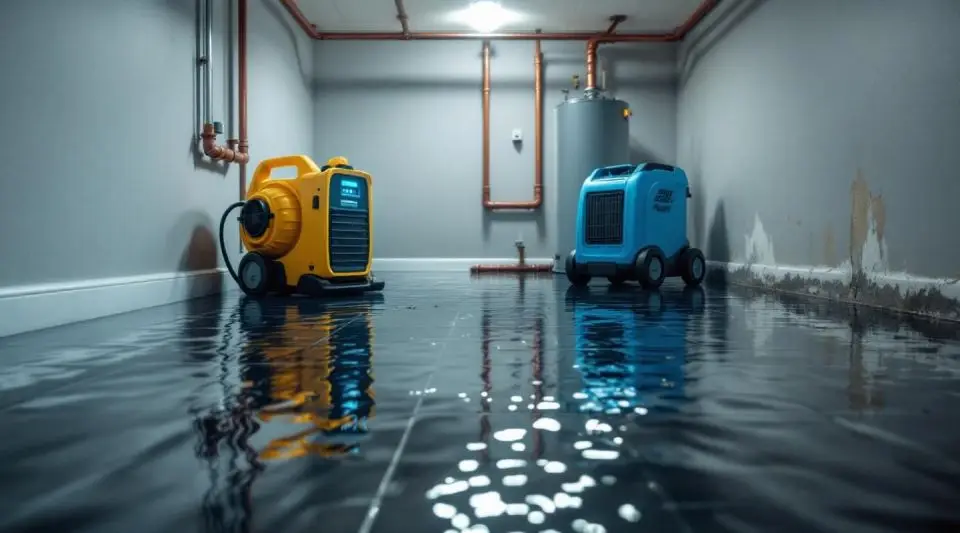
We use advanced moisture mapping and thermal imaging to identify hidden pockets of below-grade moisture that the naked eye simply cannot see. It’s not enough to just pump out the visible water; we must address the moisture trapped within the concrete floor and wall cavities to ensure a truly dry result. By adhering strictly to the IICRC S500 standard for professional water damage restoration, we ensure that every air mover placement and dehumidifier setting is calculated for the specific square footage and water category of your flood.
Dealing with Category 3 water—often involving sewage or outdoor runoff—requires specialized antimicrobial treatments and careful removal of saturated materials like insulation or vapor barriers to make the space safe for your family again. You shouldn’t have to guess if your basement is truly dry or if lingering bacteria are hiding behind the walls. We provide the thorough documentation and clear, honest communication you need to navigate the insurance claim process while we work to restore your home’s safety and structural health.
Professional basement flood cleanup provides a level of thoroughness that DIY methods simply cannot match, especially given Savannah’s relentless humidity. When you face a sump pump failure or groundwater intrusion, you aren’t just fighting the water you see; you’re fighting the moisture trapped behind finished walls and under flooring. Our team follows the IICRC S500 standard to ensure every gallon of standing water extraction is handled with precision. We don’t just dry things out—we stabilize the environment to prevent Category 3 water from turning your home into a health hazard before mold can colonize the space.
By choosing experienced technicians, you gain access to moisture mapping and thermal imaging tools that reveal exactly where below-grade moisture is hiding. In many Savannah neighborhoods, high hydrostatic pressure can force water through concrete block seepage points you might never notice until efflorescence appears. We use high-capacity dehumidification and strategic air mover placement to pull deep-seated dampness out of structural members like floor joists. This scientific approach stops rot and ensures your foundation remains sound for the long haul, rather than just drying the surface and leaving the core of your home at risk.
Rapid standing water extraction to stop mold growth in Savannah’s humid climate.
Detailed moisture mapping to identify hidden pockets of below-grade moisture.
Professional-grade dehumidification to combat high ambient humidity and prevent rot.
Comprehensive insurance documentation and moisture logs to support your damage claim.
Sanitization of sewage or Category 3 water to ensure the space is safe for your family.
In the heavy humidity of Savannah, you do not have a long window before microbial growth takes hold. Typically, mold spores begin colonizing saturated materials like drywall and baseboards within 24 to 48 hours of the initial intrusion. This is why our Basement Flood Cleanup process prioritizes rapid standing water extraction and the immediate deployment of industrial dehumidification. We follow the IICRC S500 standard to ensure your below-grade moisture levels are brought back to a dry standard before permanent damage occurs. Waiting even a single day can turn a simple dry-out into a much more expensive mold remediation project.
Whether your policy covers Basement Flood Cleanup in Savannah often depends on the water’s source. Most standard homeowners policies cover sudden internal failures, like a burst pipe or a water heater rupture. However, damage caused by hydrostatic pressure or rising groundwater usually requires a separate policy through the City of Savannah Flood Protection program or FEMA. We provide detailed moisture mapping and photo documentation to help your insurance adjuster determine the cause of loss. It is vital to review your specific endorsements for sump pump overflow before a storm hits.
The cost for Basement Flood Cleanup in Savannah varies based on two primary factors: the volume of water and its classification. Extracting clean water from a supply line is significantly less labor-intensive than handling Category 3 water, which involves sewage contamination or storm runoff. We calculate pricing based on the square footage of the affected area and the number of air movers and dehumidifiers required to reach structural drying goals. While every situation is unique, we always provide a written scope of work before our crew begins the tear-out or drying process. This transparency helps you manage out-of-pocket expenses while ensuring the job meets professional standards.
While you can use a shop-vac to remove surface puddles, professional Basement Flood Cleanup involves much more than just visible water removal. Savannah’s high water table often forces moisture into porous materials like concrete block foundations. Our experienced technicians use thermal imaging cameras and penetrating moisture meters to find hidden pockets of dampness that lead to efflorescence or structural rot. We use specialized air mover placement to create high-velocity airflow that pulls deep-seated moisture out of structural members. Attempting a DIY fix often results in secondary damage that costs far more to repair six months down the line when floor joists begin to sag.
To properly execute Basement Flood Cleanup in Savannah, we use a combination of high-capacity extraction units and LGR (Low Grain Refrigerant) dehumidifiers. These aren’t your standard hardware store units; they are designed to pull gallons of water from the air even in our swampy coastal environment. We also use moisture mapping technology to track the drying progress through every layer of your flooring and walls. By monitoring the dry standard of unaffected materials in your home, we can prove when the space is truly safe. Our technicians strategically place centrifugal air movers to ensure every corner of your basement receives the airflow necessary to prevent stagnant air from fueling mold.
Don’t let standing water sit in your basement for another hour. In Savannah’s humid climate, the 24-to-48-hour window for mold growth is a hard reality, not a suggestion. Whether you are dealing with a sump pump failure or heavy rain seepage, our experienced technicians are ready to begin the extraction process immediately to protect your foundation.
We handle the heavy lifting, from moisture mapping to direct insurance billing, so you can focus on getting your home back to normal. Our trucks are staged across the city, equipped with the high-volume pumps and air movers needed to stabilize your property right now.
In Savannah, a flooded basement isn’t just a wet floor; it is a structural emergency that requires immediate intervention. Because our coastal city sits so low and the water table is notoriously high, heavy rains often lead to intense hydrostatic pressure against your foundation. This force pushes groundwater through tiny pores in your masonry, leading to concrete block seepage and that white, chalky efflorescence you might see on the walls. If you ignore standing water extraction for even a day, you aren’t just dealing with a puddle—you’re allowing below-grade moisture to migrate into your floor joists and wall studs, compromising the very bones of your home.
Speed is your best defense against mold. In the humid Georgia climate, fungal spores can colonize damp surfaces in as little as 24 to 48 hours. This risk escalates significantly if the intrusion involves sewage contamination, often classified as Category 3 water. This isn’t something you can mop up with a household bucket and a fan. Our experienced technicians understand that porous materials like drywall and insulation act like a wick, pulling contaminants upward. Without professional-grade dehumidification and strategic air mover placement, that moisture stays trapped behind your vapor barrier, rotting your home from the inside out while you sleep.
Proper restoration requires more than just drying what you can see with the naked eye. We use thermal imaging and moisture mapping to find pockets of water hidden deep within structural cavities that would otherwise be missed. Following the IICRC S500 standard ensures that every step—from the initial pump-out to the final clearance—protects your family’s health and your property’s long-term value. Failing to address a sump pump failure or a burst pipe correctly can lead to permanent structural instability. By acting now, you prevent the infamous “basement smell” from becoming a permanent fixture of your home and ensure your insurance claim is backed by rigorous, professional documentation.
When you walk into a kitchen flooded by a failed supply line or a sudden ceiling leak, the sense of overwhelm is immediate.
Learn more
Walking into your home to find a hallway turned into a river is a nightmare no homeowner wants to face.
Learn more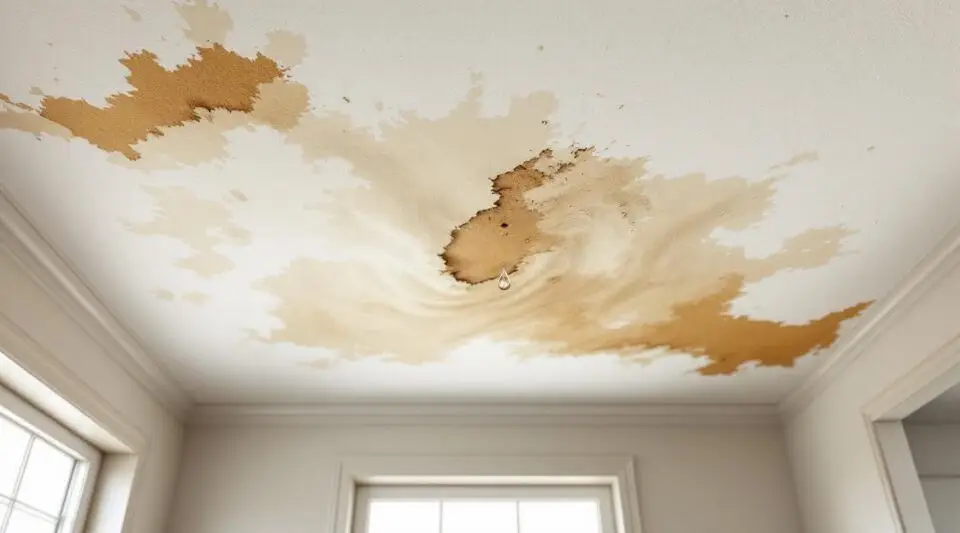
Finding a dark, spreading stain on your ceiling or watching drywall begin to sag after a heavy Savannah thunderstorm is more than a cosmetic nuisance.
Learn more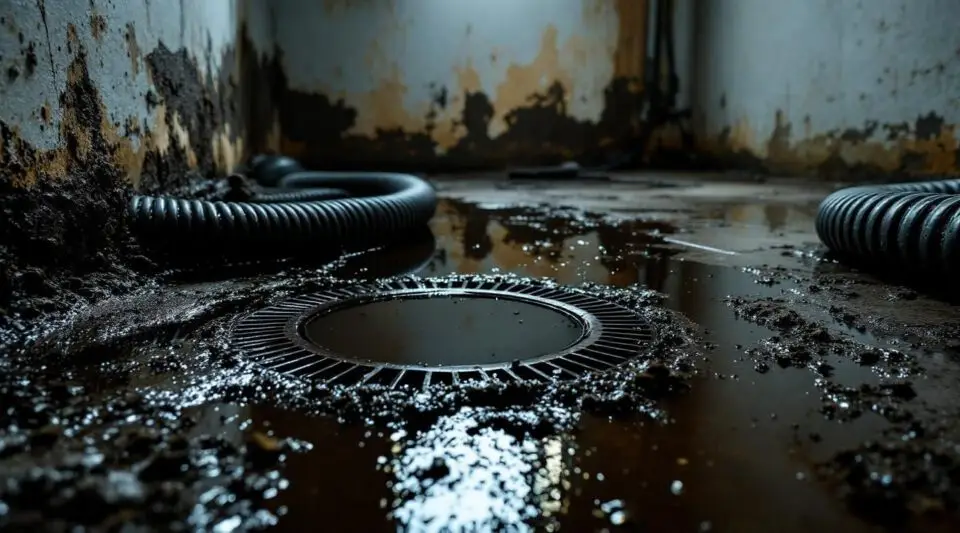
Walking into a home where a sewer line has failed is a visceral experience that goes far beyond a simple plumbing leak.
Learn more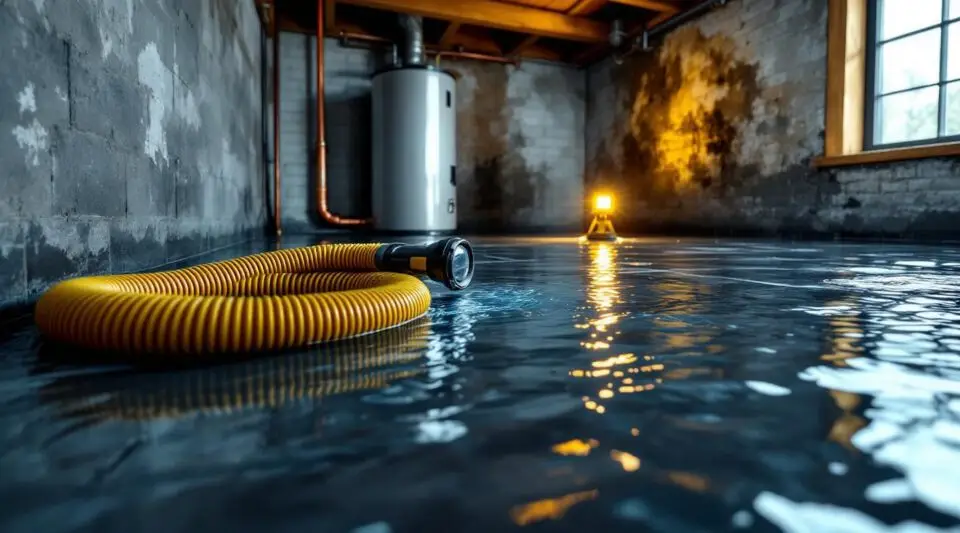
When water enters your Savannah home, the clock starts ticking against your property’s structural integrity.
Learn more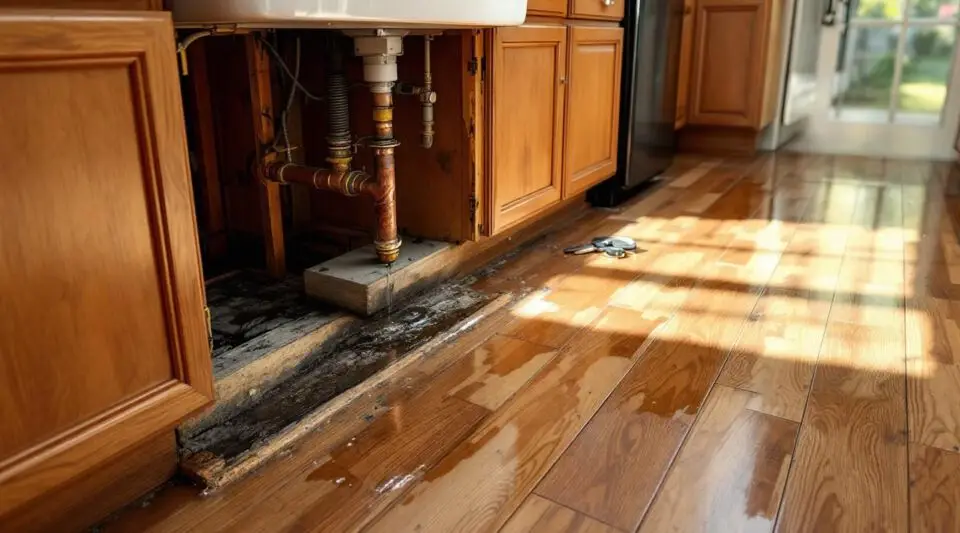
A kitchen leak rarely stays confined to the cabinet where it started.
Learn more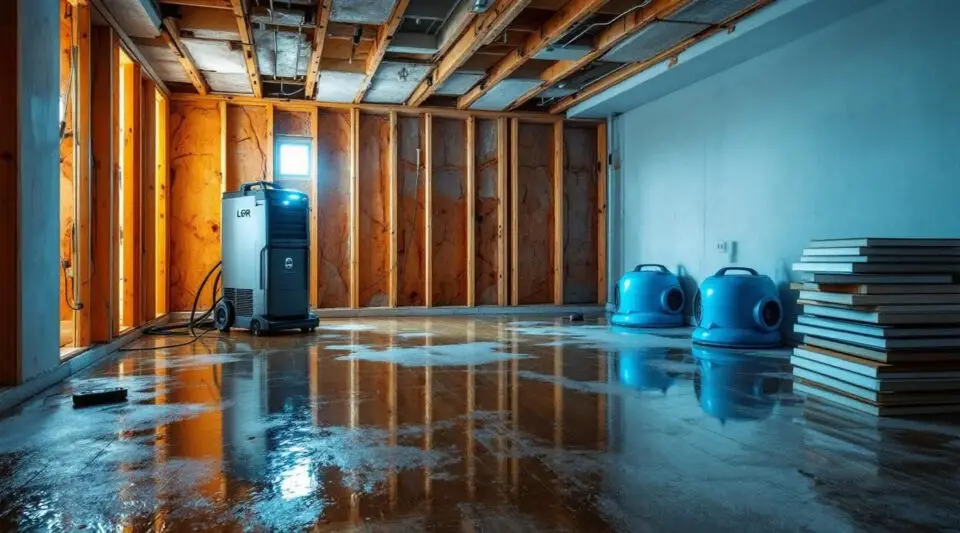
Our San Diego team provides immediate, 24/7 emergency response to extract standing water and implement advanced structural drying techniques that protect your family’s home from mold and long-term structural compromise.
Learn moreThe water in our basement was gone before it could do any real damage because they got there so fast.
Sandra Sullivan
We loved how soon they got back to us and how well they looked at the water damage in our kitchen and the rooms around it.
Lela Wenner
They helped us file a claim for water damage with our insurance carrier, which made it quick and stress-free.
Ginger Nguyen
Their workers dried out our walls and ceilings quickly and showed us how to fix the flood damage step by step.
MOVIL CUATRO
My basement flooded after a big rain, and it quickly became too much for me to handle. The restoration company I called did everything in a very orderly way. They first got rid of the standing water, and then they worked on drying the soil completely. I liked how they used tools to find wet spots that I wouldn't have seen. The workers were polite when they came to my house and worked quickly but not too quickly. They also talked a lot about how important it is to stop mold, which made me trust their plan. From start to finish, it felt like a professional job.
Dina McKeen