Mason Restoration, LLC provides water damage restoration services for residential and commercial properties in Savannah, GA.
Mason Restoration, LLC provides water damage restoration services for residential and commercial properties in Savannah, GA.
When a building envelope breach or a pressurized pipe burst occurs in a Savannah office complex, the clock starts ticking against your bottom line. It isn’t just about a wet carpet; it’s about the structural integrity of the facility and the safety of your tenants. Water in a commercial setting is aggressive, quickly migrating into elevator pits, server rooms, and through suspended ceiling tiles. You need more than a cleanup crew; you need a strategic response that prioritizes tenant displacement mitigation and protects your property’s long-term value.
Savannah’s unique climate adds a layer of complexity to any commercial flood. With our year-round high ambient humidity, simply opening windows or using standard air movers is a recipe for secondary damage. We use desiccant dehumidification to aggressively pull moisture from the air, creating the dry environment necessary for Class 4 drying scenarios. Our experienced technicians use advanced moisture mapping to track water as it moves through subfloor saturation points and wall cavities, ensuring no hidden pockets of moisture are left to fuel mold growth.
For property managers and facility directors, the administrative burden of a flood can be as taxing as the physical damage. We focus heavily on business interruption documentation, providing the detailed moisture logs and psychrometric reports your insurance adjuster needs. In Savannah’s historic office buildings, where heart-pine floors and unreinforced masonry are common, we adjust our drying protocols to respect the materials while meeting IICRC S500 standards. This data-driven approach ensures your claim moves forward without the delays caused by insufficient proof of drying.
Whether you are dealing with a Category 3 water intrusion from a sewage backup or a clean water line failure, our team is equipped to handle large floor plates with precision. We understand that every hour your building is offline represents lost revenue and potential lease disputes. By coordinating closely with your maintenance staff, we manage the restoration process to minimize disruption, allowing you to focus on your business while we handle the recovery.
When a Savannah office building takes on water—whether from a burst riser or a building envelope breach during a coastal storm—the clock starts ticking against your bottom line. Professional office building flood repair isn’t just about sucking up standing water; it’s a calculated effort to mitigate tenant displacement and prevent long-term structural decay. We use precision moisture mapping to find exactly where the water migrated, often discovering it’s traveled far beyond the initial puddle into elevator pits or under raised flooring. By addressing these hidden pockets immediately, you avoid the secondary damage that often leads to costly mold claims and lease disputes months down the line.
Our approach focuses on Class 4 drying techniques, which are essential for dense commercial materials like concrete subfloors and multi-layered drywall. We deploy industrial desiccant dehumidification to pull deep-seated moisture out of the building’s structure, ensuring that your facility meets the IICRC S500 standards for professional restoration. This level of thoroughness is vital for your business interruption documentation. When you work with our team, you receive the detailed moisture logs and psychrometric reports that insurance adjusters require to close a claim. In Savannah’s high-humidity environment, simply airing out a floor isn’t an option; you need a scientific drying plan to protect your investment.
Rapid commercial water extraction to prevent moisture from reaching server rooms and electrical panels.
Comprehensive moisture mapping to identify water trapped in wall cavities and suspended ceiling plenums.
Deployment of high-capacity desiccant dehumidifiers to combat Savannah’s extreme ambient humidity.
Detailed business interruption documentation and moisture logs for streamlined insurance claim processing.
Strategic tenant displacement mitigation to keep your office operations running with minimal downtime.
IICRC-certified technicians who understand the complexities of multi-story commercial drying protocols.
When a pipe bursts or a building envelope breach occurs in downtown Savannah, every hour counts. We typically aim for a two-hour response window because stagnant water quickly leads to subfloor saturation and mold growth. Our team prioritizes commercial water extraction to stabilize the environment immediately. We don’t just pull out the water; we begin the business interruption documentation your insurance adjuster will demand. By acting fast, you reduce the risk of long-term structural issues that could shutter your doors for weeks. It’s about more than just drying floors; it’s about protecting your lease agreements and keeping your tenants from looking for a new address.
We use advanced moisture mapping to track exactly where the water traveled, even behind those heavy commercial-grade drywall partitions. Our experienced technicians deploy hygrothermal monitoring sensors to record humidity and temperature levels in real-time. This data is vital for Office Building Flood Repair because it proves to your carrier that the building reached professional dry standards. Without these detailed logs, you might face a claim denial or discover hidden rot six months from now. We provide a full digital trail of the drying progress, ensuring your property manager has the evidence needed to satisfy both the insurance company and the building owners.
Whether you can stay open depends on the scale of the flood and the water’s source. If we are dealing with a localized leak in a single suite, we can often isolate the area with containment barriers to facilitate tenant displacement mitigation. However, if you have elevator pit flooding or a main-line break affecting multiple floors, safety protocols usually require a temporary evacuation. Our goal during Office Building Flood Repair in Savannah is to get your staff back to their desks as quickly as possible. We often run desiccant dehumidification overnight to accelerate the timeline, working around your peak business hours whenever the situation allows for it.
In Savannah, we see everything from clean pipe bursts (Category 1) to black water storm surges (Category 3). A Category 3 event involves highly contaminated water that poses serious health risks to your employees. This often happens during king tides or hurricane season when a building envelope breach allows outdoor runoff inside. For these high-risk scenarios, we follow strict IICRC S500 standards for decontamination. You can verify our standing and licensing through the Georgia Secretary of State to ensure we meet the legal requirements for commercial work. Office Building Flood Repair for Category 3 water requires total removal of porous materials like carpets to ensure the space is safe.
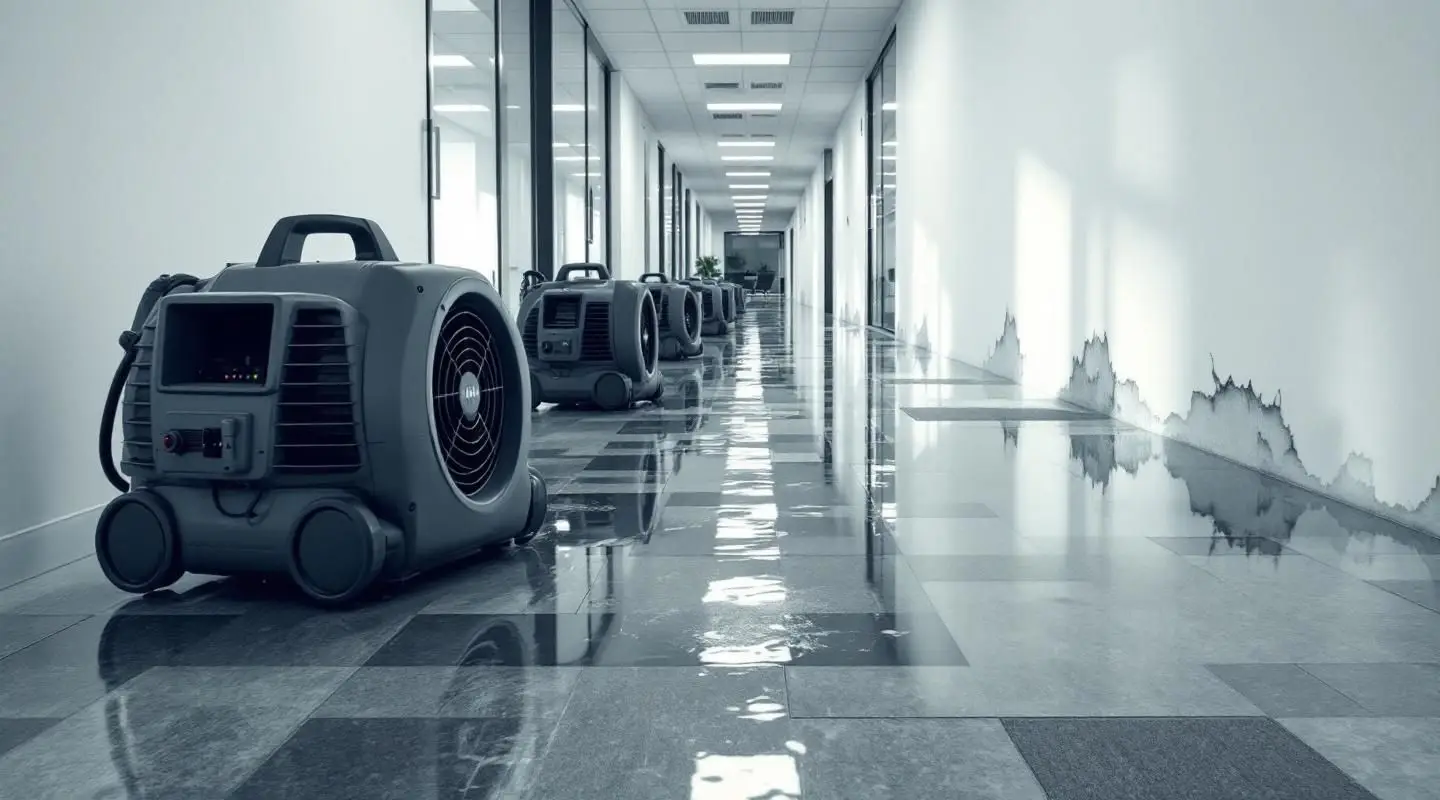
We don’t just use standard fans. For large-scale Office Building Flood Repair, we deploy industrial-grade desiccant dehumidifiers that pull moisture from the air much more effectively than residential units. This is critical for Class 4 drying, where water has soaked into dense materials like concrete subfloors or commercial hardwood. Savannah’s high humidity makes natural evaporation nearly impossible, so we create a controlled drying chamber within your office. We also use specialized tools for suspended ceiling damage and cavity drying to reach moisture trapped in the plenum. This aggressive approach prevents the secondary damage that often leads to expensive mold remediation down the road.
Every hour your Savannah office sits damp is an hour of lost productivity and mounting liability. You need a team that understands the pressure of tenant displacement and the technical demands of Class 4 drying in a high-rise environment. Our company is ready to deploy industrial desiccant dehumidifiers and precision moisture mapping to stabilize your building envelope immediately, preventing long-term structural degradation.
Don’t let a localized leak turn into a building-wide liability. Our Savannah-based commercial response teams prioritize business interruption documentation and aggressive structural drying to keep your operations solvent. Whether you are managing a historic downtown suite or a modern medical complex, you can rely on our IICRC-certified technicians for rapid commercial water extraction and professional oversight.
Ignoring even a minor flood in a commercial setting is a recipe for long-term disaster. In Savannah, where the ambient humidity is already working against you, a building envelope breach or a simple pipe burst can escalate into a full-scale mold event within 48 hours. You aren’t just dealing with wet carpets; you’re facing potential lease disputes and lost rental income if your tenants are forced to vacate. Professional commercial water extraction is about more than just removing standing pools; it’s about stabilizing the environment before the structural integrity of your office suites is compromised.
When water reaches critical infrastructure like elevator pits or server rooms, the liability shifts from simple drying to complex mechanical and electrical risks. We often see water migrate through subfloor saturation or into the interstitial spaces of suspended ceilings, areas that a standard janitorial crew simply cannot reach. Using desiccant dehumidification and Class 4 drying protocols is essential for dense materials like concrete or multi-layered flooring common in Savannah’s historic and modern office blocks alike. If you don’t address these hidden pockets, you’re essentially leaving a ticking time bomb of microbial growth behind your drywall.
Documentation is the often-overlooked backbone of commercial recovery. Your insurance carrier won’t just take your word for it; they require rigorous moisture mapping and hygrothermal monitoring logs to justify the claim. Our experienced technicians provide the detailed photo evidence and psychrometric data needed to prove the building is truly dry. Without this level of professional oversight, you risk your claim being denied or discovering “ghost” moisture months later when the smell of mildew begins to permeate the HVAC system. We ensure every step of the Office Building Flood Repair process is recorded to protect your investment.
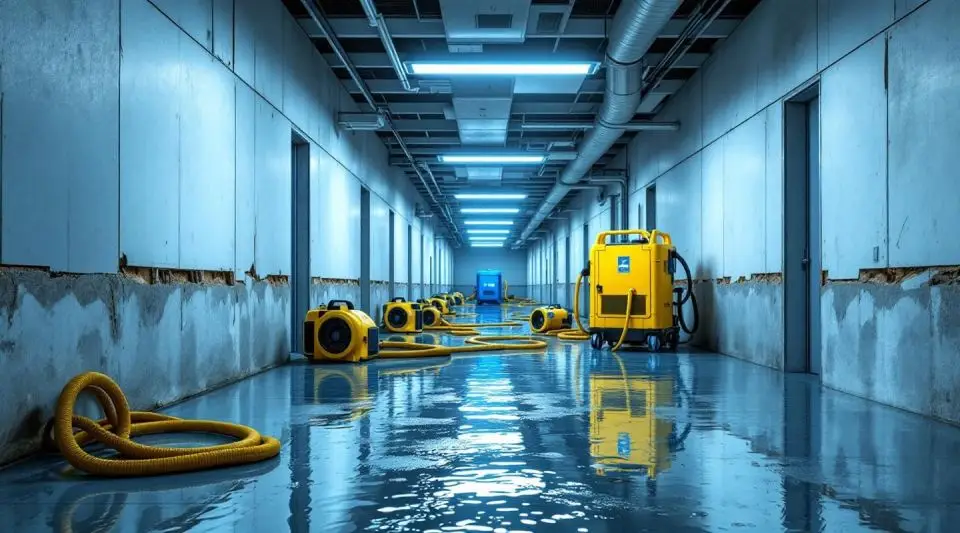
Our specialized team provides immediate 24/7 emergency response for San Diego commercial properties, utilizing advanced moisture detection and high-capacity extraction tools to eliminate standing water and prevent costly business interruptions.
Learn more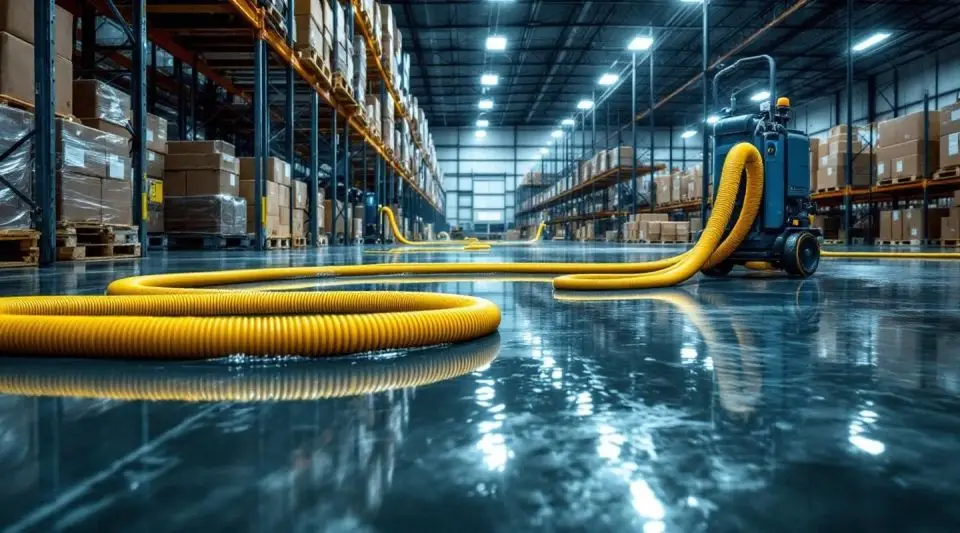
When a main fire suppression line bursts or a coastal Savannah storm pushes floodwater through your loading docks, the clock starts ticking against your bottom line.
Learn more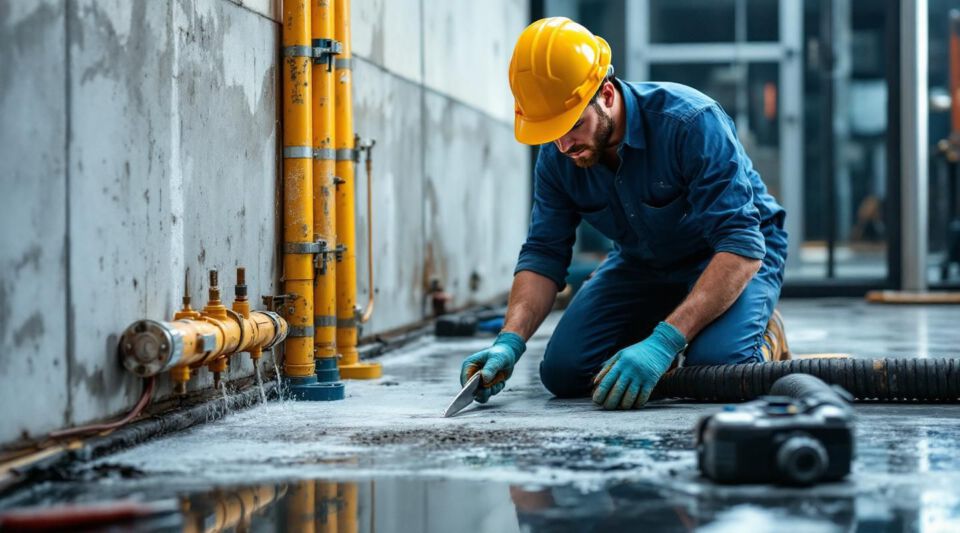
When a vertical riser pipe bursts or a heavy Savannah thunderstorm overwhelms a roof, your property doesn't just face a maintenance issue; it faces a direct threat to its brand reputation.
Learn more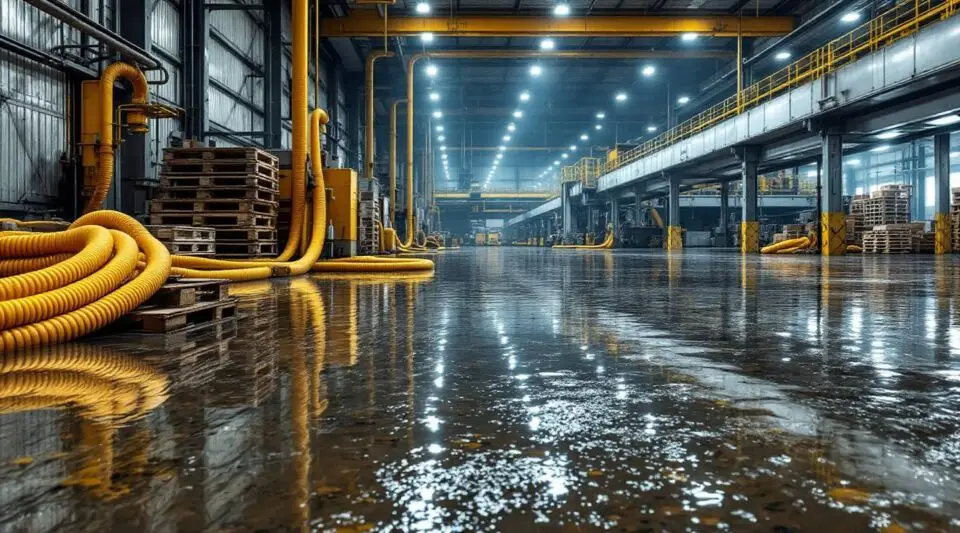
Savannah’s industrial landscape, stretching from the logistics hubs near the Port to the manufacturing corridors of Chatham County, faces a unique set of water-related risks.
Learn more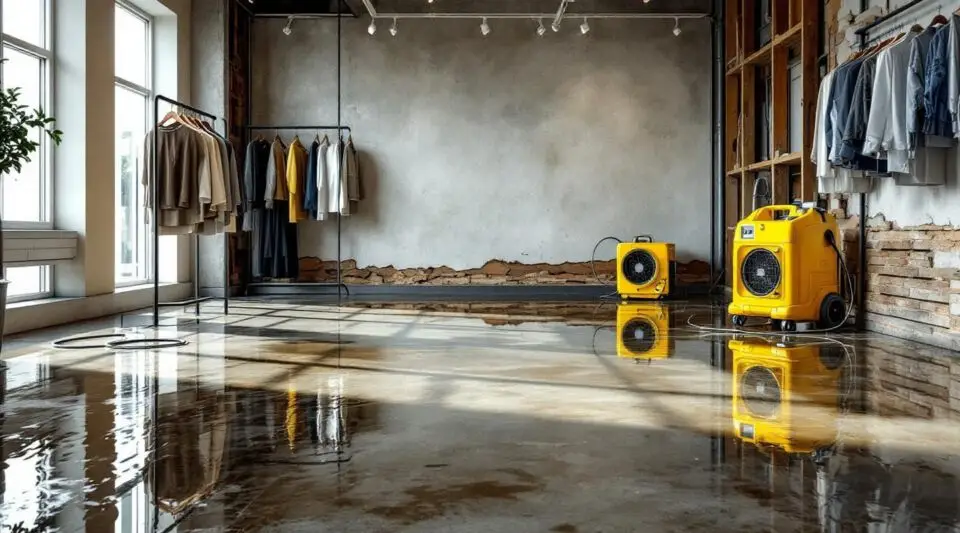
When a water main snaps or a coastal storm surges into your storefront, the clock starts ticking against your inventory and your bottom line.
Learn more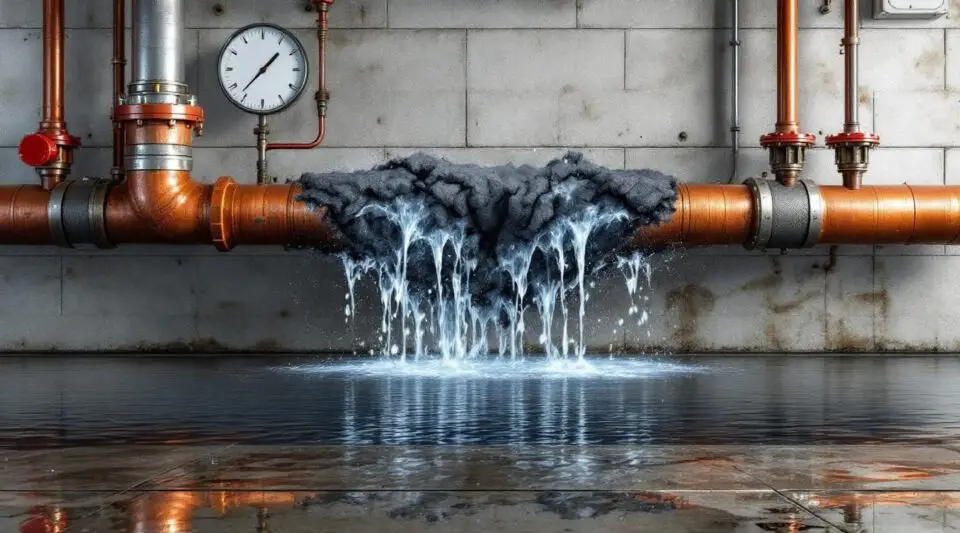
A pressurized pipe failure in a commercial setting is never just a simple leak; it is a high-stakes race against the clock to prevent a building envelope breach from compromising your entire operation.
Learn more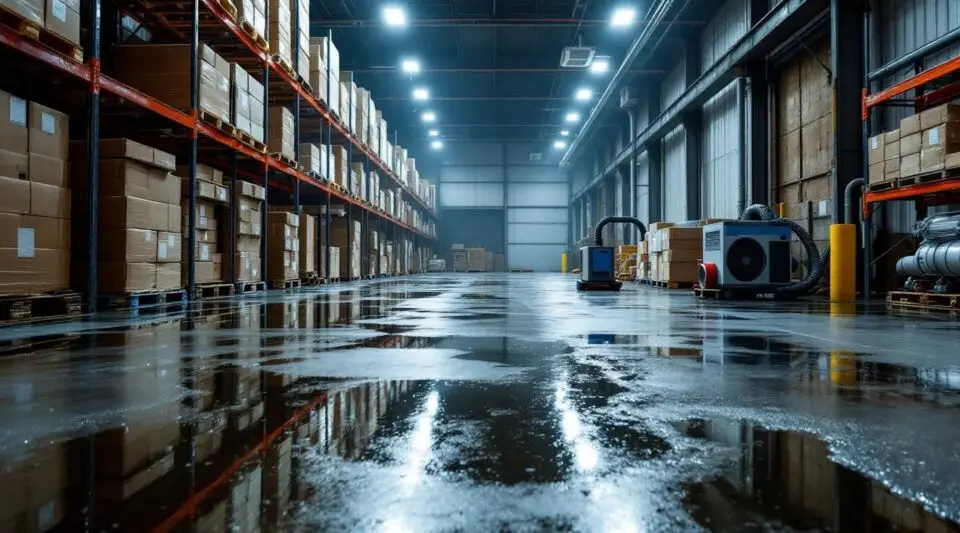
Our specialized team delivers rapid water extraction and industrial-grade structural drying to protect your inventory and restore your San Diego commercial facility to full operation after a flood.
Learn moreWe loved how soon they got back to us and how well they looked at the water damage in our kitchen and the rooms around it.
Lela Wenner
The water in our basement was gone before it could do any real damage because they got there so fast.
Sandra Sullivan
My basement flooded after a big rain, and it quickly became too much for me to handle. The restoration company I called did everything in a very orderly way. They first got rid of the standing water, and then they worked on drying the soil completely. I liked how they used tools to find wet spots that I wouldn't have seen. The workers were polite when they came to my house and worked quickly but not too quickly. They also talked a lot about how important it is to stop mold, which made me trust their plan. From start to finish, it felt like a professional job.
Dina McKeen
They helped us file a claim for water damage with our insurance carrier, which made it quick and stress-free.
Ginger Nguyen
Their workers dried out our walls and ceilings quickly and showed us how to fix the flood damage step by step.
MOVIL CUATRO